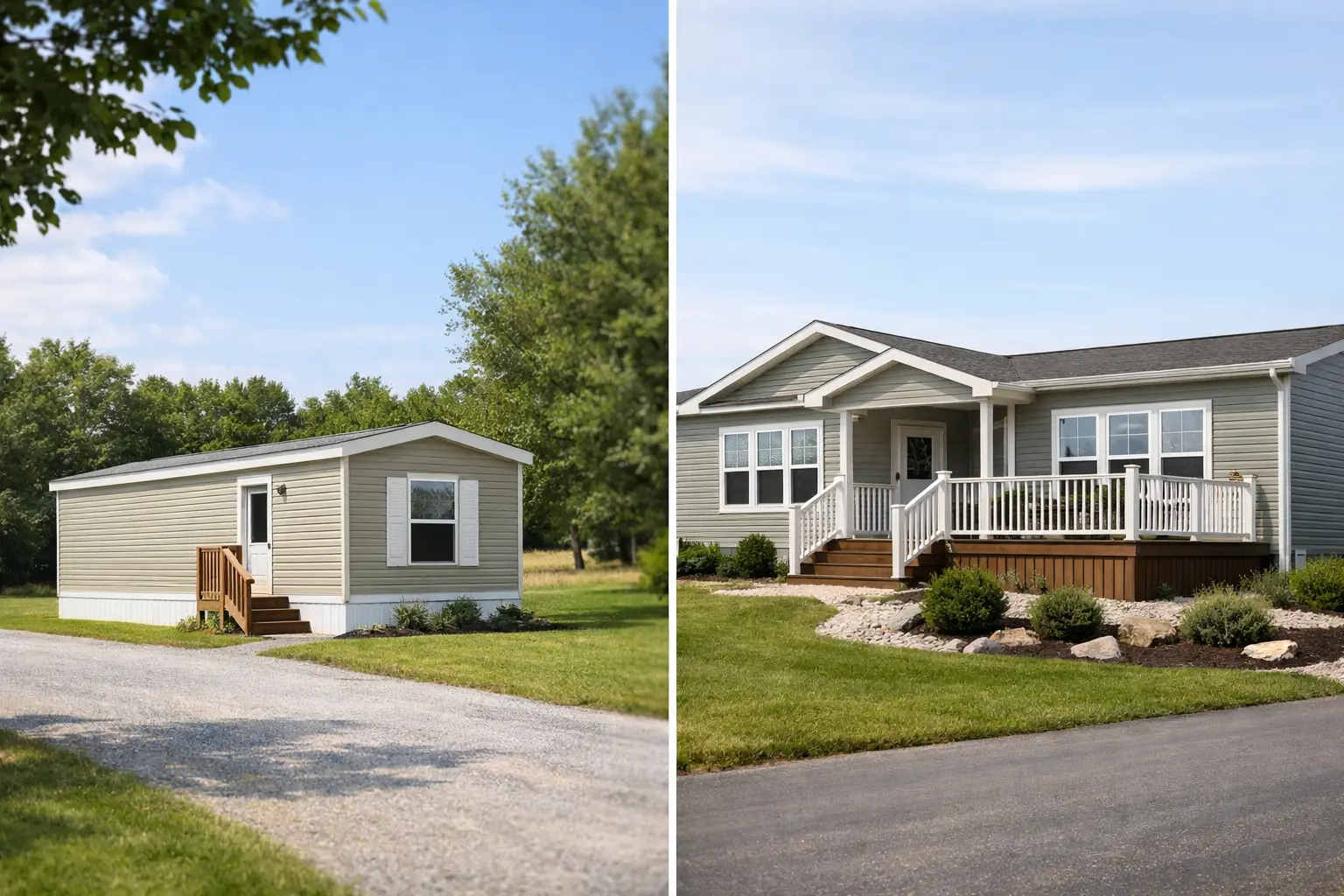
You can usually tell a lot about a manufactured home community before you ever tour a home. Look at the entrance, the condition of the roads, the lighting, and whether common areas feel cared for. Those details are not “extras” - they are amenities in the truest sense because they shape your daily routine, your peace of mind, and how proud you feel pulling into your neighborhood.
If you are asking, “what amenities do manufactured home communities have,” the most helpful answer is: it depends on the community’s age, location, and management style - but there are clear patterns. Some amenities are lifestyle-focused (like a clubhouse or pool). Others are practical, like well-maintained streets, online payments, and responsive onsite teams. And for many residents, those practical amenities are the difference between “affordable housing” and a genuinely stable, community-oriented place to live.
What amenities do manufactured home communities have?
Manufactured home communities often offer a mix of shared spaces, recreation, and day-to-day services that support a neighborhood feel. The best fit depends on what you value most - quiet and predictability, family-friendly spaces, or an active social calendar.
In many communities, amenities fall into three buckets. First are the visible, shared amenities you can point to during a tour: a community building, a playground, a dog park, a pool, or a fitness space. Second are the behind-the-scenes amenities that keep life running smoothly: street maintenance, lighting, trash service, mailbox areas, and stormwater management. Third are management and resident-support amenities: clear community guidelines, communication channels, maintenance coordination, and digital tools for payments and applications.
A community does not need every possible feature to be “good.” A smaller, quiet property with excellent upkeep and attentive management can feel more livable than a property with a long amenity list but poor follow-through. The goal is to match the amenity mix to your life.
The amenities that shape everyday comfort
Some amenities are so basic that you might not think to ask about them - until they are missing. Roads are a perfect example. Smooth, well-marked streets and clean curb lines make the neighborhood feel organized and safe. They also matter for practical reasons: deliveries, emergency access, and less wear on your vehicle.
Lighting is another. Good lighting in common areas and along main drives supports safety and reduces that “I don’t love walking outside after dark” feeling. It also signals that the community is paying attention to infrastructure, not just appearances.
Landscaping and common-area cleanliness are quiet amenities that influence how the community feels day after day. Regular mowing, trimmed trees, and tidy shared areas are not cosmetic if they prevent pests, improve visibility, and reinforce shared standards.
Then there is the “unseen” infrastructure: water, sewer, drainage, and electrical systems. You may not notice these when they work, but reliable utilities and proactive upgrades reduce disruptions and help protect your budget from surprise issues.
Social spaces and neighborhood connection
A lot of residents choose manufactured home community living because they want a neighborhood, not just a unit. That is where community spaces come in.
Many communities offer a clubhouse or community center. In some places it is used for resident events, meetings, or casual gatherings. In others it functions more like a reservable space for celebrations. If you care about quiet, it is fair to ask how often the space is used and what the rules are for hours and noise.
Some communities host seasonal events, holiday gatherings, or informal meet-and-greets. The trade-off is simple: more activities can build connection faster, but if you prefer privacy, you will want to know whether participation is optional (it should be) and how communication is handled.
Even without a formal event calendar, a community can still feel connected when there are welcoming shared spaces like benches, shaded areas, or a small green where neighbors naturally cross paths.
Family-friendly and active-living amenities
For families, the most valued amenities are often the ones that help kids burn energy close to home. Playgrounds, open fields, basketball courts, and safe sidewalks can turn a normal weekday into something easier. If a playground exists, look for maintenance, safe surfaces, and whether it is positioned away from heavy traffic.
For working adults and older residents, walking paths or a simple, well-lit loop through the neighborhood can be just as important as a gym. Not every community has formal trails, but many have streets designed for walking and light exercise.
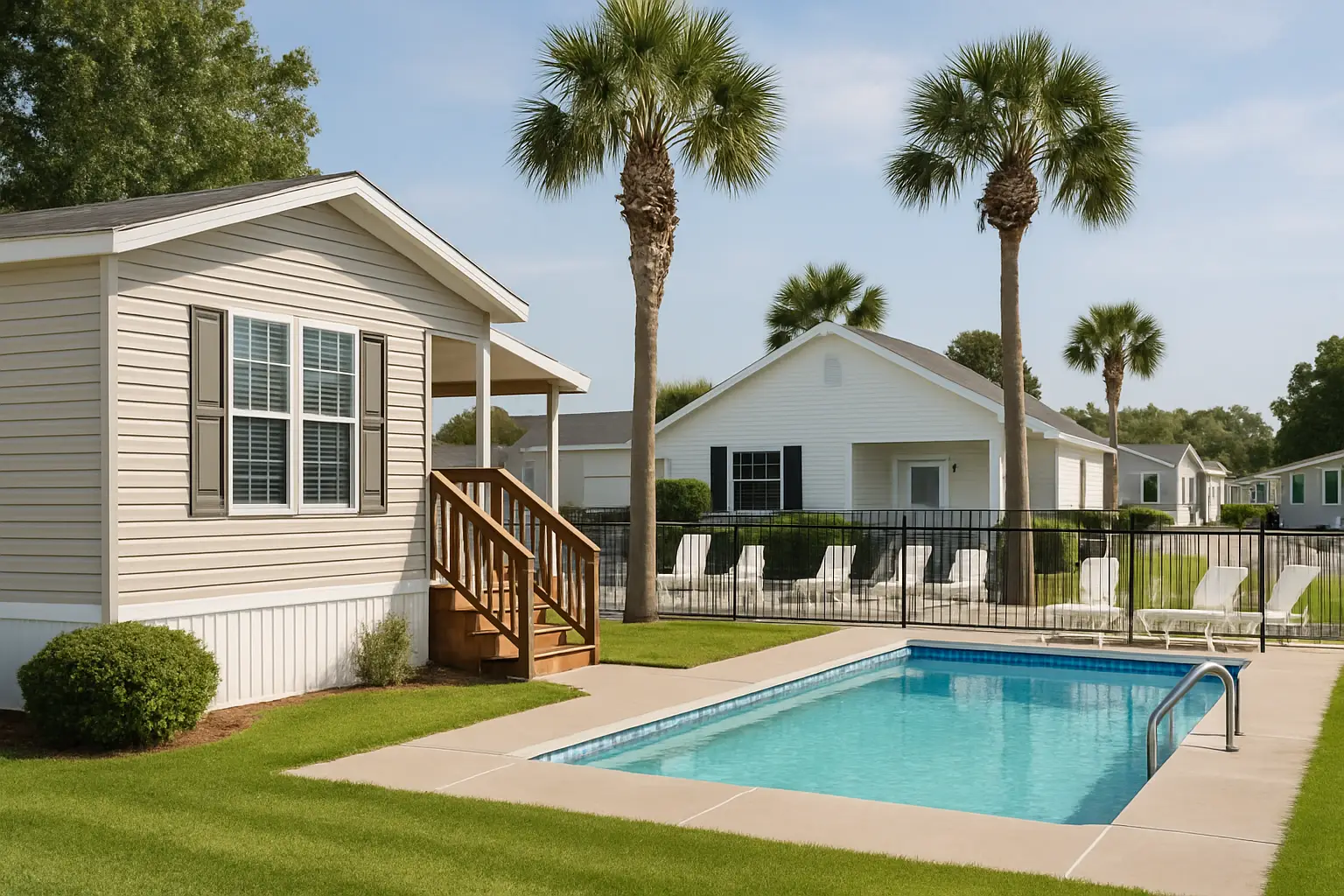
Pools are common in many regions, especially where summer heat is a real quality-of-life factor. If a pool is on your must-have list, ask about hours, guest policies, supervision rules, and how often it is serviced. A pool that is clean and consistently maintained is an amenity. A pool that is frequently closed becomes a frustration point.
Pet-friendly amenities can matter just as much. Dog parks, pet waste stations, and clear pet policies help residents feel respected and reduce conflict between neighbors. The “it depends” factor here is your own household: if you have a dog, these features can be daily-life upgrades. If you do not, you may care more about how well pet rules are enforced.
Practical services that keep costs predictable
Residents shopping for attainable housing are usually balancing monthly payment predictability with the desire for a clean, safe neighborhood. That makes practical services a core part of the amenity conversation.
Trash service, for example, varies by community. Some have centralized dumpsters, some have curbside pickup, and some include recycling. None of those is automatically “better,” but the logistics should fit your routine. Centralized pickup can keep streets cleaner, while curbside service can be more convenient for families.
Parking is another big one. Ask where residents park, whether there are assigned spaces, guest parking rules, and how the community handles oversized vehicles or work trucks. The right answer depends on your household and your job. If you commute in a work vehicle, parking rules are not a small detail.
Mail areas, package delivery setups, and signage are also real-life amenities now. If you receive medications, work deliveries, or frequent packages, you will want to know how items are handled and where they are left.
Management, communication, and digital convenience
Amenity lists often overlook something residents feel every week: management systems that respect your time.
Responsive communication is a quality-of-life amenity. When residents know where to direct questions, how quickly they can expect a response, and what the process is for addressing concerns, the whole community runs more smoothly. Clear rules and consistent enforcement also matter. They protect residents who take care of their homes and want a neighborhood that stays orderly.
Digital tools can make the experience easier, especially for busy households. Online applications reduce back-and-forth paperwork. Resident portals for rent payments and account information help you stay on top of due dates without needing to travel to an office. If you are comparing communities, ask whether they offer online payment options and how they communicate updates to residents.
Communities like Medallion Communities emphasize this mix of neighborhood feel and operational follow-through - the kind of management attention that shows up in cleanliness, infrastructure upgrades, and simple digital self-service when you need it.
Amenities for homeowners who want to move their home in
If you already own a manufactured home and are looking for a community to move into, your amenity checklist should include a few extra items.
First, ask about lot readiness and utility hookups. The “amenity” here is preparedness: clear processes, properly maintained connections, and a team that can tell you what is required without vague answers. Second, ask about road access for transport and setup. Wide turns, clear routes, and an organized placement process reduce stress and delays.
You will also want to understand community standards and how they protect your investment. Reasonable guidelines around exterior upkeep, skirting, and additions can help maintain neighborhood appearance and support property values. The trade-off is that standards should be communicated clearly upfront so you can confirm they fit your plans.
How to evaluate amenities on a tour
Amenities look great on a page. The real question is whether they are usable, maintained, and aligned with your lifestyle.
Start by checking condition and consistency. A single renovated area does not tell you much if the roads, lighting, and common spaces feel neglected. Walk the community if you can. Notice how it feels at the edges, not just near the office.
Next, ask how amenities are maintained and who to contact when something breaks. A playground or fitness room is only as good as the upkeep plan behind it.
Finally, connect the amenity list to your actual week. If you work long shifts, a pool you will never use should not outweigh good lighting, quiet hours, and easy online payments. If you have kids, a small green space and safe streets may matter more than a fancy clubhouse.
A helpful closing thought: choose amenities that reduce friction in your life, not the ones that simply photograph well - the right community is the one that feels easy to live in on an ordinary Tuesday.