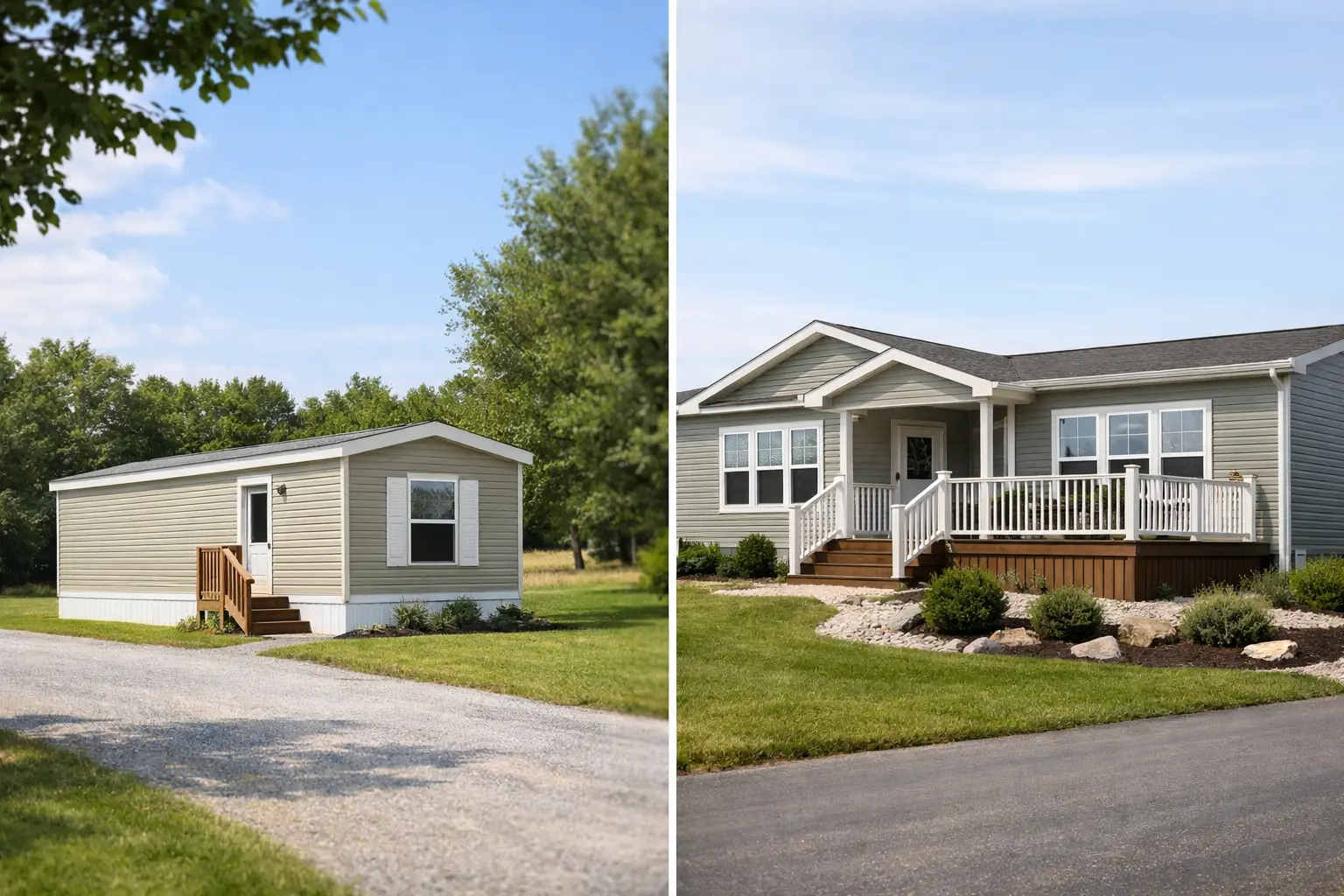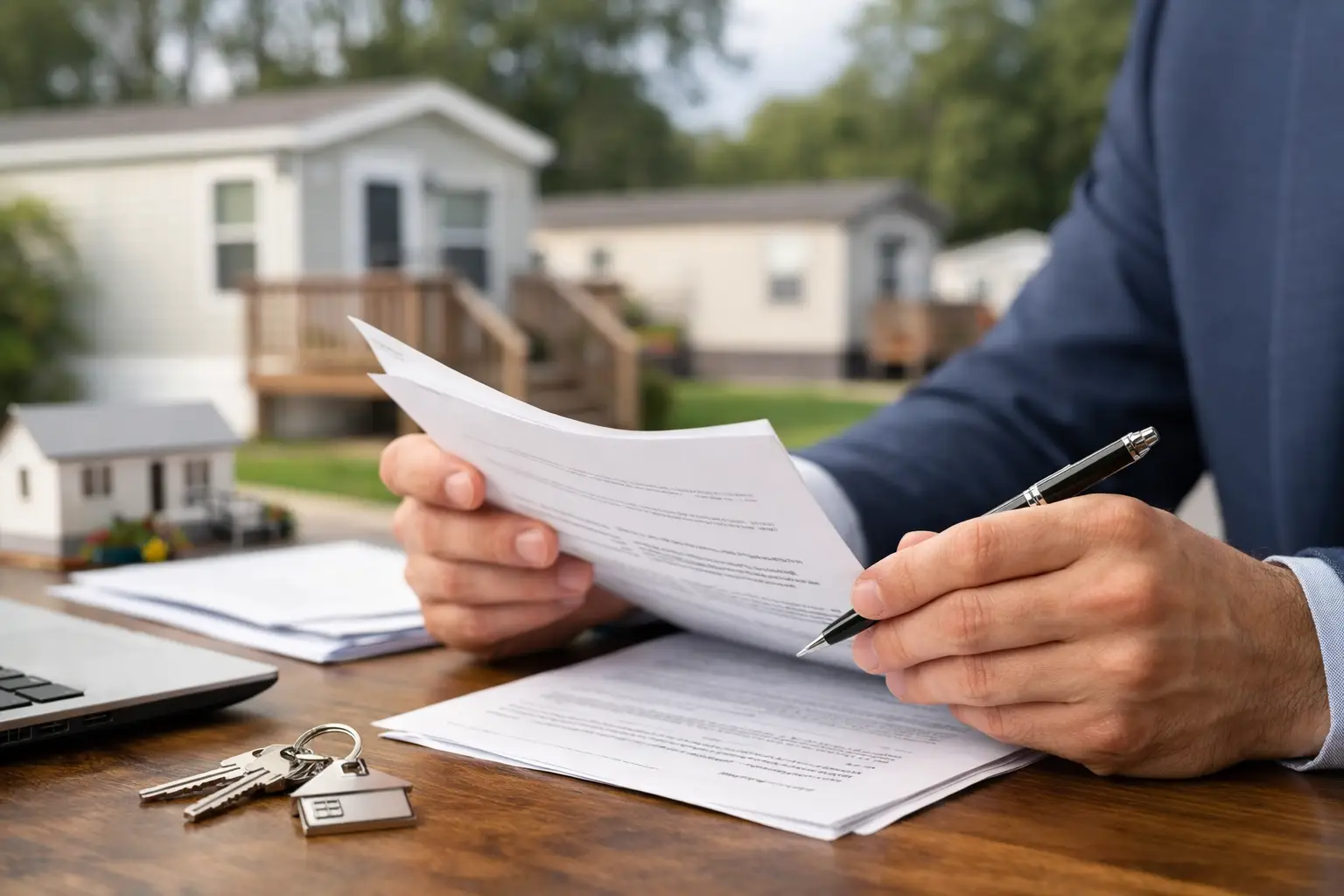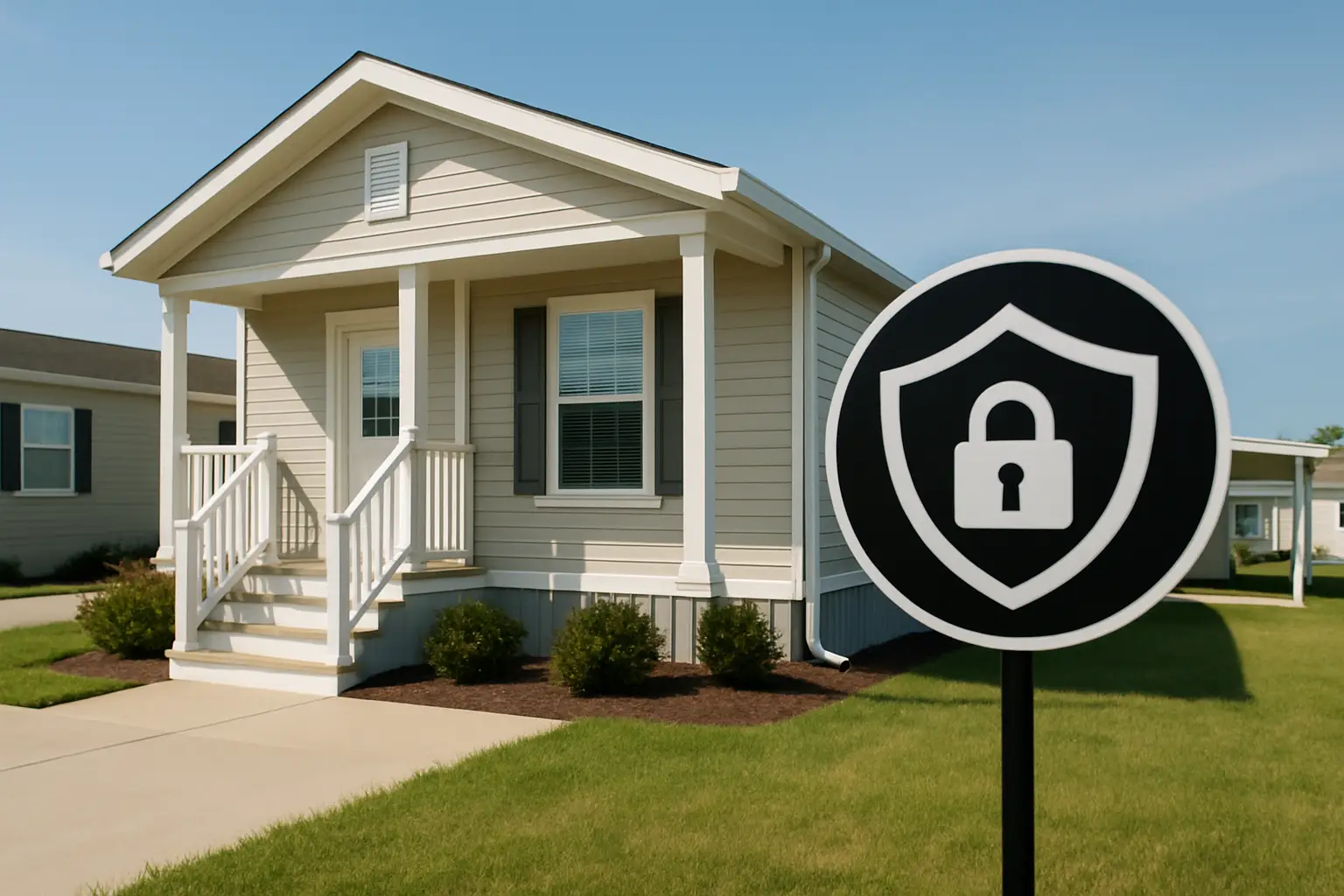
If you are weighing a manufactured home community, you are probably not asking a theoretical question. You are picturing your kids walking to a friend’s home after school, coming back from a late shift, or leaving a package on the porch for an hour. Safety is personal, and it is also practical.
So, are manufactured home communities safe? The honest answer is: it depends on the specific community, its management, and the surrounding area - just like apartments, condos, and single-family neighborhoods. The bigger question is what actually drives day-to-day safety, and how you can spot it before you sign a lease, buy a home, or move your own home onto a lot.
Are manufactured home communities safe - and what does “safe” mean?
Safety is not one thing. Most people are really talking about a mix of four areas: crime risk, property conditions, traffic and pedestrian safety, and how conflicts or issues are handled.
A community can be in a low-crime zip code but feel unsafe because the streets are dark and speeding is common. Another community might have great lighting and strong neighbor connection, but struggle with upkeep that creates trip hazards or attracts nuisance behavior. That is why broad stereotypes about manufactured housing miss the point. Safety is the result of systems.
When you tour, you are not only looking at homes. You are evaluating whether the community operates like a well-run neighborhood.
What actually influences safety in a manufactured home community
There is no single feature that guarantees safety, but there are patterns that show up in communities where residents feel comfortable and problems get addressed early.
Management presence and responsiveness
A responsive management team is not “nice to have.” It is a safety factor. When rules are clear and consistently enforced, issues like abandoned vehicles, unapproved additions, trash overflow, and nuisance behavior tend to get resolved before they become bigger problems.
Responsiveness also matters for things you cannot predict: a streetlight that goes out, a tree limb down after a storm, or a water issue that affects multiple homes. Fast communication and follow-through reduce risk and stress.
Lighting, visibility, and street layout
Well-lit streets and common areas change how a place feels at night, and they also change outcomes. Good lighting supports visibility for drivers, residents walking pets, and anyone coming home after dark.
The street layout matters too. Narrow, cluttered lanes with cars parked everywhere can create blind spots and slow emergency access. Communities with maintained roadways, clear signage, and sensible traffic flow reduce the everyday risks that don’t show up on a crime map.
Property standards and upkeep
People sometimes think “upkeep” is about aesthetics. In reality, it is often about safety.
Stable stairs and railings, even sidewalks, trimmed landscaping, working mail areas, and clean common spaces all reduce hazards. Just as important, consistent upkeep signals that someone is paying attention, which can discourage the kind of behavior that thrives in neglected places.
Neighbor connection and community culture
Safety is also social. When neighbors know each other - even in small ways - it becomes easier to notice when something is off, help someone who is locked out, or flag a maintenance issue before it becomes an emergency.
This is one reason community activities, shared amenities, and a welcoming environment matter beyond “fun.” They build the kind of everyday familiarity that makes a neighborhood feel steady.
Location realities
A community does not exist in a bubble. The surrounding area, nearby traffic corridors, and local crime trends can influence risk. That does not mean you should rule out an entire city or region based on reputation, but it does mean you should evaluate the community in context.
If you are moving for work or trying to stay near a school district, you can still make a confident decision - you just want to be honest about what varies by location.
Manufactured homes and safety - the home itself matters, too
The question often blends two things: community safety and home safety.
Modern manufactured homes are built to federal HUD standards, and newer homes commonly include safety features you would expect in other housing types, like smoke detectors, egress windows, and updated electrical systems. But the year of the home, the quality of installation, and ongoing maintenance make a difference.
If you are buying a home in a community, ask about the home’s condition, any recent upgrades, and what is the resident’s responsibility versus the community’s. If you are bringing in your own home, clarify lot requirements, tie-down expectations, and any inspection steps. These aren’t hoops. They are protections.
How to evaluate safety when you tour a community
You do not need to be an expert to spot red flags or strong signals. You just need to look beyond the model home and pay attention to the basics.
Start by visiting at two different times - once during daylight and once in the evening. A place can look fine at noon and feel very different after dark.
As you walk or drive the neighborhood, notice whether streetlights are working, whether you can see house numbers easily, and whether the roads feel calm or chaotic. Pay attention to speed. If cars are flying through, that is a real safety issue, especially for kids and pets.
Look at the common areas. Are they clean? Do they look used in a good way, like residents actually spend time there? Or do they look ignored? Condition is not about perfection. It is about consistency.
If you can, talk to a resident - not to interrogate them, just a friendly hello and a simple question like, “How do you like living here?” Residents will often tell you, unprompted, whether management is responsive and whether the community feels secure.
Questions to ask before you apply, buy, or move a home in
A few direct questions can save you months of uncertainty.
Ask how maintenance requests are handled and what the typical response time looks like. Ask how residents communicate with the office and whether there is an online portal for payments and requests. Clear systems reduce missed messages and help issues get resolved faster.
Ask what community rules exist around noise, pets, parking, and property standards - and then ask how those rules are enforced. Enforcement is a touchy subject, but consistent enforcement is part of what keeps a neighborhood stable.
If you are concerned about emergency preparedness, ask who to contact after hours and what happens in severe weather events. Communities in storm-prone regions should be comfortable explaining their procedures.
Finally, ask about lighting, road upgrades, or infrastructure improvements. Communities that invest in streets, signage, and common areas are usually thinking long-term, and long-term thinking is tied to safety.
Common myths that keep people stuck
Some fears come from outdated images that do not reflect many professionally managed communities today.
One myth is that manufactured home communities are automatically higher-crime. In reality, crime varies by area and by management quality, just as it does with apartments. Another myth is that a community is safe if it is quiet. Quiet can be great, but it can also mean people are disengaged. The better signal is healthy activity - kids playing, neighbors walking, residents taking care of their spaces.
There is also a misconception that affordability equals lower standards. Attainable housing and strong standards can coexist when a community is run with clear expectations and consistent upkeep.
What a well-managed community does differently
You can feel the difference in communities that treat quality of life as the product.
They keep streets and common areas maintained, because safety starts with basics like lighting and clean, drivable roads. They communicate clearly, because confusion creates frustration and frustration escalates conflict. They set rules that protect neighbors, because living close together works best when expectations are shared.
If you are comparing options, look for communities that show you how they operate, not just what they promise. Digital tools that let residents pay rent, submit requests, and track communication are not just convenient. They create accountability, and accountability supports safety.
For example, communities operated by Medallion Communities emphasize belonging and property standards, with practical systems that make it easier for residents to get answers, handle payments, and feel supported by attentive management.
The trade-offs to be honest about
Manufactured home community living has real advantages, but it is not identical to buying a single-family home on a private lot.
You are choosing neighborhood life with shared rules and a management structure. For many households, that is a benefit: clearer expectations, more predictable costs, and a community that stays cared for. For others, the trade-off is that you will not have unlimited freedom to do anything you want with the exterior, parking, or landscaping.
Safety-wise, shared rules can reduce risk, but only if the community enforces them fairly and consistently. That is why your evaluation of management matters as much as your evaluation of the neighborhood.
A safer decision comes from specific proof
If you are trying to make the safest choice for your household, do not settle for general reassurance and do not let stereotypes make the decision for you.
Look for the evidence: working lights, maintained roads, clear communication, consistent property standards, and residents who seem comfortable in their day-to-day routines. Ask direct questions. Tour twice. Trust what you observe.
A community does not have to be perfect to be safe, but it should feel cared for - because that is what safety often looks like in real life: attention, consistency, and people who take pride in where they live.