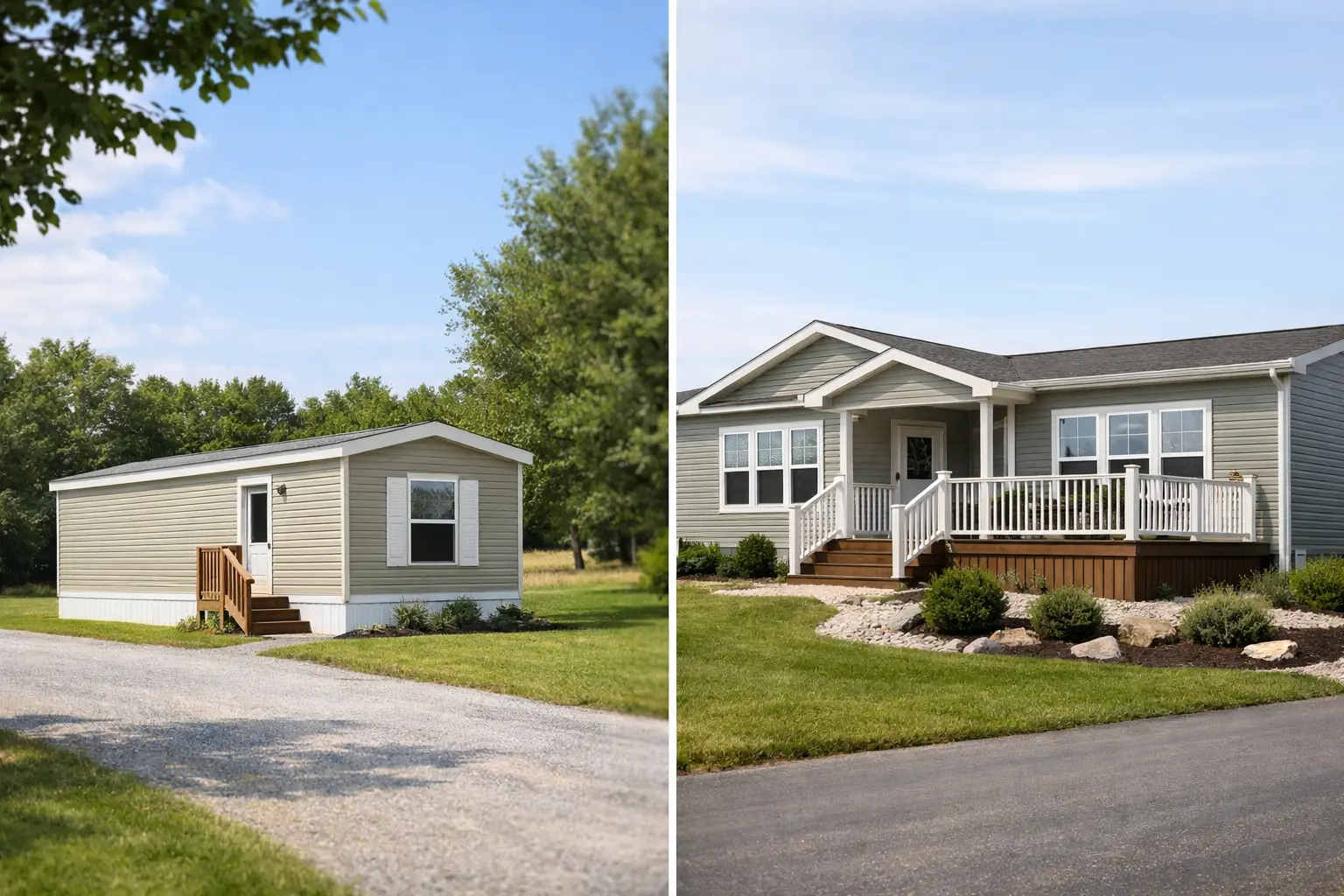
A lower monthly payment can look great on paper. But if the streets are poorly lit, management is hard to reach, or the community feels neglected, that lower price can cost you peace of mind. If you're figuring out how to choose manufactured communities, the real question is not just what you can afford. It is where you can feel stable, respected, and at home.
That matters whether you're renting, buying your first home, or moving a manufactured home you already own into a new community. The right community can give you predictable housing costs, a stronger sense of neighborhood, and day-to-day confidence that the property is being cared for. The wrong one can create stress fast.
How to choose manufactured communities starts with daily life
Most people begin with location and price, and that makes sense. You need a community that fits your budget and keeps your commute, school options, and daily errands manageable. But once those basics are covered, look at what life actually feels like there.
Drive through at different times of day if you can. A community can look fine on a weekday morning and feel very different in the evening. Pay attention to lighting, street condition, traffic flow, noise, and how shared areas are maintained. Are homes and lots generally cared for? Do common spaces feel used and valued? Those details tell you a lot about whether standards are consistently upheld.
You are not looking for perfection. You are looking for signs of steady management and a community where residents seem comfortable being outside, walking around, and taking pride in where they live.
Look closely at management, not just the home
A manufactured home community is more than a collection of homes. It is a managed neighborhood. That means the quality of management affects your experience almost every day.
Responsive management shows up in practical ways. Streets are maintained. Lighting works. Rules are enforced fairly. Questions get answered. Maintenance concerns do not sit untouched for weeks. Even digital tools matter more than people think. An online application process or resident portal can make routine tasks like paying rent or submitting requests much easier, especially for busy households.
If you visit a community, ask how management handles common issues. What happens if there is a maintenance concern in a shared area? How are resident questions addressed? Are community standards clearly communicated? You want a team that is visible, organized, and respectful, not one that only appears when there is a problem.
This is also where reputation matters. Resident feedback can help you spot patterns. One complaint may be an outlier. Repeated comments about cleanliness, communication, or safety usually are not.
Understand the full cost before you commit
Affordability is one of the biggest reasons people choose manufactured home living, but smart budgeting means looking beyond the headline number.
If you are renting, ask what is included in the monthly payment and what is separate. Utilities, pet fees, application fees, and other recurring costs can change the real monthly picture. If you are buying, you need to understand not only the home price but also lot rent, utility responsibilities, insurance, and any move-in or setup costs.
If you already own a manufactured home and plan to move it into a community, the questions get even more specific. You need to know lot requirements, age or condition standards for the home, utility hookups, skirting requirements, and whether there are any restrictions related to size or installation. A community that welcomes move-ins should be able to explain the process clearly.
Lower cost is valuable, but only if the numbers are transparent. Predictable housing costs are part of stability. If the fee structure feels vague, that is worth slowing down for.
Safety and upkeep should be visible
People often ask whether a community feels safe, but the better question is what signs support that feeling.
Visible upkeep matters because it reflects attention. Well-maintained roads, working streetlights, clean common areas, and clear signage all suggest that the property is actively managed. Communities with established standards often feel more settled because residents know what to expect and management is doing its part to protect quality of life.
You can also ask practical questions. Are there quiet hours? How are parking rules handled? What is the process for reporting concerns? Is there staff presence onsite or nearby? Safety is not created by one feature alone. It usually comes from a combination of good lighting, clear policies, responsive management, and residents who feel invested in the neighborhood.
That is one reason community culture matters as much as infrastructure. A place that feels welcoming and respectful often feels more secure, too.
Amenities matter, but fit matters more
Clubhouses, playgrounds, green space, and community events can add a lot to everyday living. They can help neighbors connect and make a community feel active instead of anonymous. For families, those spaces may be a major benefit. For working adults, they may simply be a nice extra.
Still, amenities should not distract from the fundamentals. A beautiful clubhouse does not make up for poor communication or inconsistent upkeep. Think about how you actually live. If you want a quiet, clean neighborhood with reliable management, put those priorities first. If having community activities or shared spaces is important to you, ask how often they are used and maintained.
The best choice is rarely the one with the longest amenity list. It is the one that aligns with your daily routine and your expectations for comfort, convenience, and community.
How to choose manufactured communities for the long term
It is easy to focus on move-in day. It is smarter to think one or two years ahead.
Ask yourself whether the community fits the life you are building, not just the month you are in. If you are renting now, could you see yourself staying if your work schedule changes or your family needs shift? If you are buying, does the community offer the kind of stability and management quality that supports long-term ownership? If you are moving in your own home, does the lot and infrastructure give you confidence that you are making a practical long-range choice?
This is where rules and standards deserve a closer look. Some buyers and renters hear the word rules and assume it means inconvenience. In reality, fair and consistent standards often protect residents. They help preserve appearance, reduce conflict, and support a stronger neighborhood feel. The key is balance. The rules should be clear, reasonable, and designed to support livability, not create friction.
A good community should make it easier to picture your future, not harder.
Questions worth asking before you apply
A strong application process should answer your questions, not leave you guessing. Before you commit, make sure you understand how approvals work, what documentation is needed, and what timelines to expect. If the process feels organized, that is usually a good sign.
You should also ask about occupancy policies, pet policies, guest rules, parking, maintenance responsibilities, and any lot-specific requirements. If you are considering a home for sale, ask about age, condition, recent updates, and utility setup. If you are looking at a rental, ask what the move-in costs are and whether there are options that fit different price ranges.
For many shoppers, the easiest path is to use a community website with clear search tools, home listings, and resident information. When a company makes it simple to compare locations, view homes by budget, and handle applications online, it reduces stress from the start. That kind of organization often reflects how the community is run offline, too.
At Medallion Communities, that connection matters. A well-managed neighborhood should feel clear and welcoming before move-in and after it.
Trust what you see, not just what you are told
Marketing can point you in the right direction, but your own observations still matter most. Look for consistency between the photos, the pricing, the condition of the property, and the way staff communicate with you. If a community presents itself as clean, inclusive, and attentive, you should be able to see evidence of that during your search.
The strongest manufactured home communities do more than provide an address. They offer a place where affordability and belonging can exist together, with standards that support both. When you find a community that is cared for, clearly managed, and built around real resident needs, the choice becomes a lot clearer.
Take your time with the decision. The right community should not just fit your budget. It should make everyday life feel more settled from the moment you arrive.