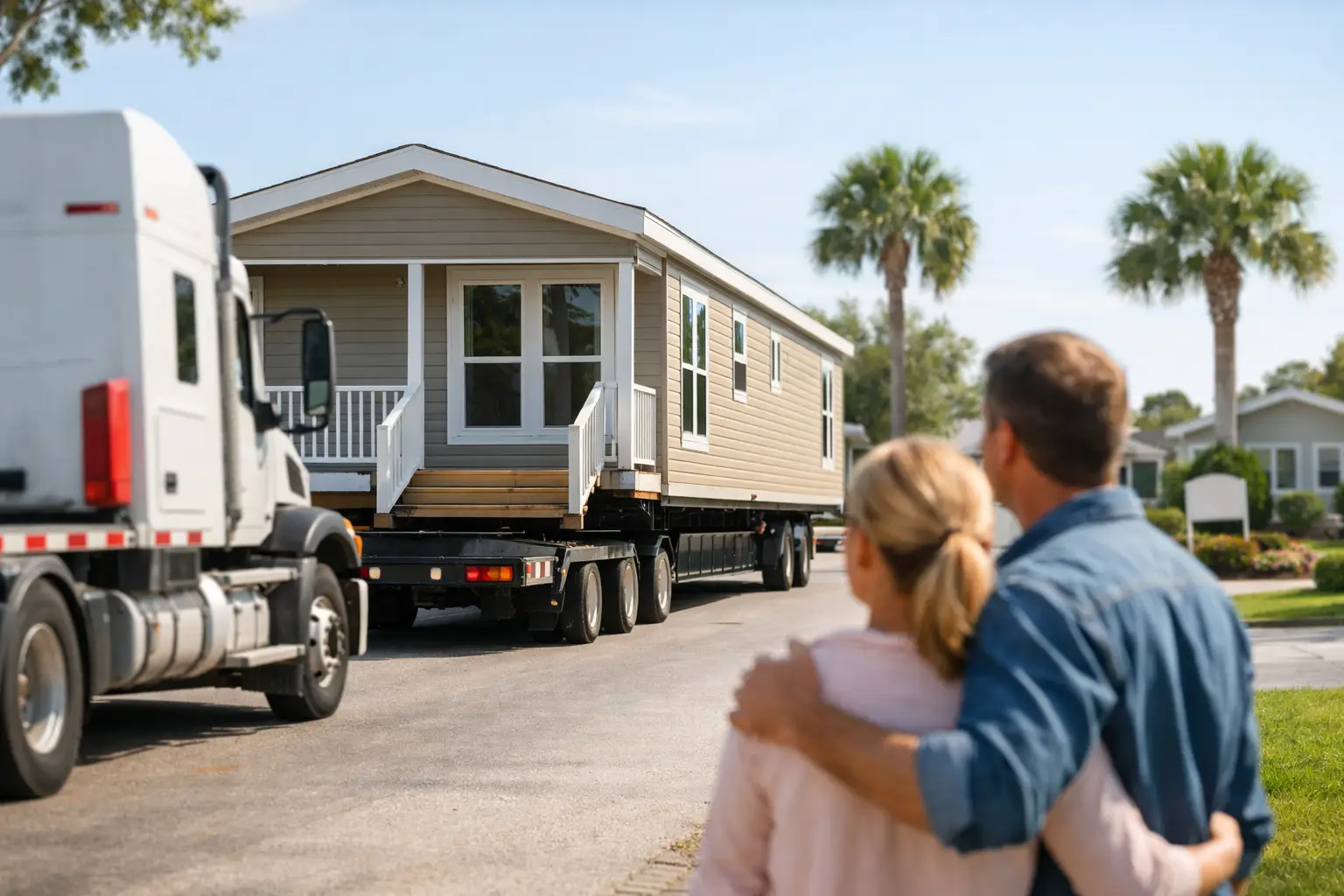
Moving a manufactured home from one community to another is a real option, but it is not a quick weekend project. If you're researching how to switch communities with manufactured home ownership, the biggest question is usually not whether the home can move. It is whether the move makes financial, legal, and practical sense for your situation.
For some residents, switching communities is the right next step. Maybe your current lot rent has climbed, management is unresponsive, or the neighborhood no longer feels like the right fit for your family. Maybe you want a cleaner, better-managed community with stronger amenities, clearer standards, and a more dependable sense of stability. A move can solve those issues, but only if you evaluate the home, the destination community, and the full cost before you commit.
How to switch communities with manufactured home ownership
The process starts with one simple truth: you are moving both a home and a household. That means two sets of logistics at once. You need approval from the new community, clearance to remove the home from the current one, and a licensed professional who can inspect, transport, and set the home properly.
That sequence matters. Many people make the mistake of calling movers first. A better first step is confirming that the community you want to move into accepts outside homes and that your home meets its standards. Communities may have rules around home age, size, condition, roof type, skirting, siding, or foundation requirements. They may also require photos, serial numbers, title information, and an inspection before approving the move.
If the home qualifies, the next step is understanding local and state requirements. Manufactured home moves often involve permits, title verification, tax clearance, utility disconnection, and transportation regulations. The details vary by state, county, and municipality, so this is not a one-size-fits-all process.
Start with the home, not just the destination
Before you get attached to a new address, take an honest look at the home itself. Older manufactured homes can sometimes be moved, but age alone does not tell the full story. Condition matters more. A home with frame issues, soft flooring, roof damage, outdated tie-down systems, or long-deferred maintenance may cost too much to move safely.
A professional inspection can save you from an expensive mistake. In some cases, the cost to transport and reinstall the home is reasonable compared with buying another one. In other cases, repairs, permits, and transport push the numbers so high that selling the home in place and purchasing a different one becomes the smarter option.
That is why switching communities is often a math question before it becomes a moving question. If your home is in solid condition and fits the standards of the new community, moving forward makes sense. If not, it may be worth exploring homes already available within the community you want.
Questions to answer before you move
You want clear answers to a few practical issues early. Is the home single-wide or double-wide? Has it been moved before? Are the axles, wheels, and hitch still available or will replacement equipment be needed? Does the roofline, width, or overall condition create transport challenges? Will the new lot support the home's dimensions and utility connections?
These questions affect scheduling, cost, and even whether a move can happen at all.
Community approval is a major checkpoint
Every well-managed community has standards, and that is a good thing. Residents want clean streets, safe infrastructure, and homes that contribute to the overall look and feel of the neighborhood. When a community reviews an incoming home, it is not just being selective. It is protecting quality of life for everyone who lives there.
That means you should expect a screening process. The community may review the home's age, exterior condition, size, and setup requirements. It may also ask about occupancy, pets, vehicles, and resident applications. Some communities will only accept homes within a certain age range unless significant upgrades have been made.
If you are considering a move into a professionally managed neighborhood, ask for the approval criteria in writing. That saves time and helps you avoid spending money on inspections or transport planning before you know the home can be accepted.
For residents looking for a community that values upkeep, responsive management, and a real neighborhood feel, Medallion Communities may be one option to explore at https://medallioncommunities.com.
Costs can vary more than most people expect
One of the biggest surprises in how to switch communities with manufactured home planning is how many separate costs are involved. Transport is only part of the total.
You may need to pay for home inspection, permit applications, title work, tax clearance, utility disconnect and reconnect, escorts for transport, site preparation, setup, leveling, anchoring, skirting, steps, decks, HVAC reconnection, and repairs tied to the move itself. Double-wides usually cost more because they must be separated, moved in sections, and reassembled on site.
Distance matters too. A short in-county move is very different from crossing multiple jurisdictions. Road restrictions, bridge clearances, weather delays, and route planning can all change the final price.
This is where trade-offs matter. If moving your existing home costs close to what you would spend on a move-in-ready home already in the new community, buying or renting in place may be the simpler path. But if your current home is in good shape, paid down, and a strong fit for the new lot, moving it can still be a smart way to keep housing costs predictable.
Work with licensed professionals
A manufactured home move is not a DIY project. Even if you are experienced with home repairs, transport and setup require licensed, insured specialists who understand local code, state transport rules, and proper installation standards.
A reputable mover will usually inspect the home first, explain whether it can be moved safely, outline what prep work is required, and provide a written estimate. If the estimate seems unusually low, ask what is not included. Setup work, utility reconnections, or permit fees are common gaps in overly simple quotes.
It also helps to ask who is handling each step. Some companies only transport. Others handle teardown, transit, lot placement, anchoring, and final setup. Knowing where responsibilities begin and end helps prevent delays once the home arrives.
Timing is rarely fast
Many residents hope to complete the process in a couple of weeks. Sometimes that happens, but often it takes longer. Community approval, title documentation, permit processing, route scheduling, weather, and contractor availability can all slow things down.
A realistic approach is to build buffer time into every stage. If you need to coordinate school schedules, work commutes, or lease deadlines, plan early. Rushing a manufactured home move usually leads to higher costs or missed details.
Prepare the old site and the new one
Leaving one community and entering another both come with obligations. At your current site, make sure you understand notice requirements, final account balances, utility procedures, and any cleanup responsibilities. You do not want the move delayed because paperwork or lot obligations were left unresolved.
At the new site, confirm exactly what the lot includes and what you need to add. Some lots are move-in ready with utility hookups and grading already in place. Others may require more preparation before the home can be installed safely. Ask about pad requirements, tie-down systems, skirting standards, stairs, parking, and any exterior improvement expectations.
This part may feel administrative, but it directly affects your move-in experience. A well-prepared lot reduces stress and helps your home settle into the community faster.
When switching communities makes the most sense
A move is usually worth serious consideration when your home is in good condition, the new community is a clear upgrade, and the total cost supports your long-term goals. That could mean better management, more reliable infrastructure, stronger community standards, a location closer to work, or a neighborhood where you feel more comfortable raising a family.
It may make less sense if your home needs major repairs, the move is long-distance, or local regulations make transport unusually complicated. In those cases, staying put a little longer, selling the home, or choosing a home already placed in your target community may be the better answer.
There is no single formula that fits every household. The right choice depends on the condition of your home, your budget, the community's requirements, and how much value you place on living in a place that feels cared for.
A better community can change your day-to-day life in small ways that add up - better lighting, cleaner streets, clearer expectations, and management that responds when something needs attention. If that is what you are looking for, taking the time to plan the move carefully is worth it.