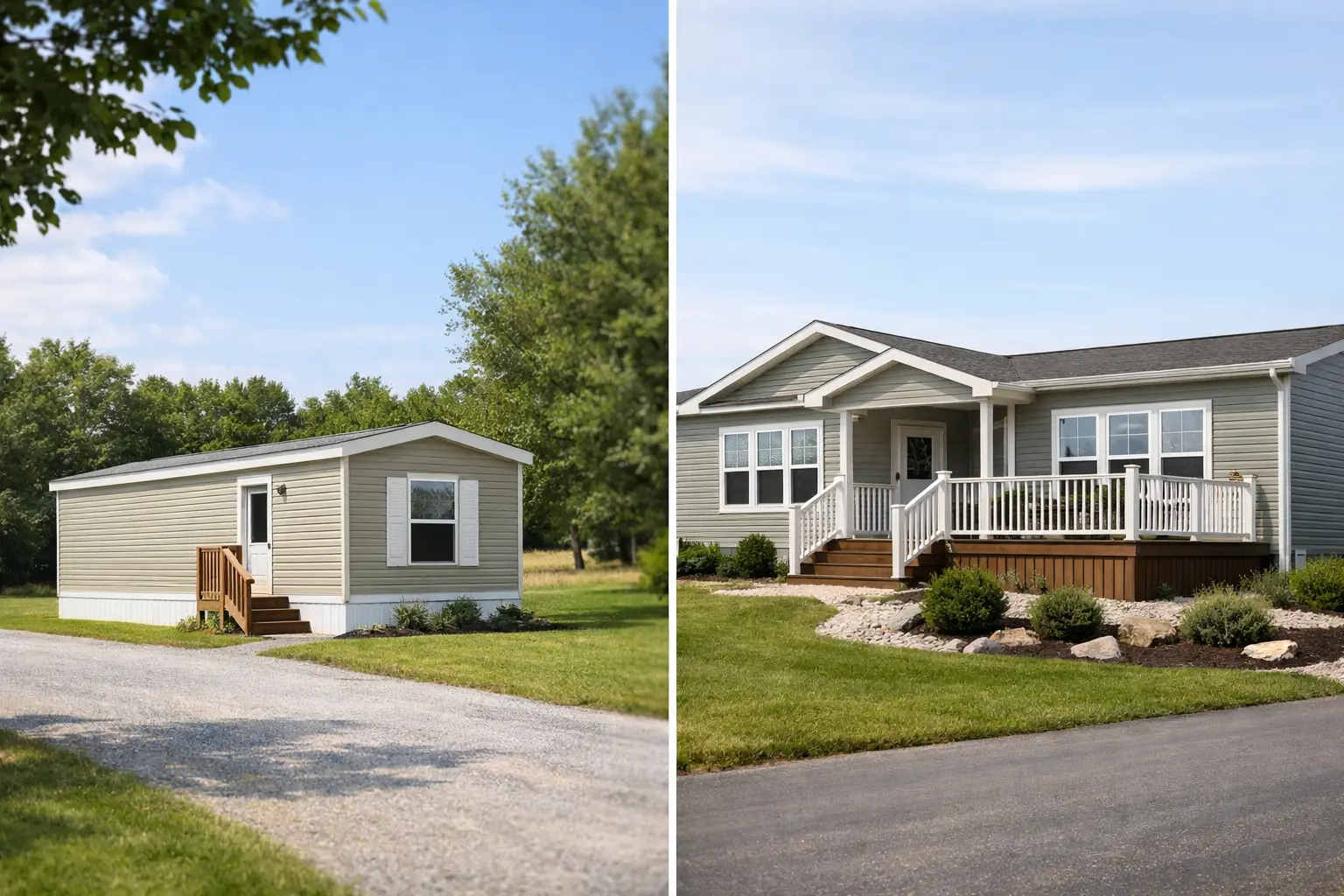
You can usually tell within five minutes of walking a manufactured home community whether it feels like a place you could actually live - not just park a home. Are the streets well-lit? Are the yards cared for? Do neighbors say hello, or do they keep their heads down? Manufactured home community living is often discussed like it is one thing, but the day-to-day reality depends on management, maintenance standards, and whether the community is built around people or just parcels.
What is manufactured home community living?
Manufactured home community living means your home is a manufactured home and it sits within a neighborhood designed for that housing type. Instead of each home being on its own individually owned land, the community typically owns the land and leases home sites (lots) to residents. The neighborhood may include shared amenities like a clubhouse, playground, green space, laundry facilities, or on-site management.
That simple definition leaves out the part residents care about most: community living is a combination of private home life and shared neighborhood standards. You have your own home, your own routines, and your own front porch - but you also have common roads, shared infrastructure, and community rules meant to keep the place safe, clean, and comfortable.
How it works in real life: owning vs. renting
Manufactured home communities support a few different living arrangements, and the right fit depends on your budget, timeline, and long-term plans.
Renting a home in the community
Some residents rent a manufactured home that’s already placed in the community. This works well for people who want predictable monthly housing costs without the upfront purchase, or for households who want to get to know a neighborhood before committing to ownership.
In a home rental setup, the community (or its management company) is generally responsible for major home-level issues based on the lease terms, while residents handle day-to-day care and respect community policies. For many working households, that simplicity matters.
Buying a home in the community
Other residents buy a manufactured home located in the community. You own the home and typically pay a monthly lot rent for the site it sits on, along with utilities and any other applicable fees. Buying can be a practical way to step into homeownership at a lower price point than many site-built options.
Ownership also comes with more responsibility. You’re deciding how to maintain the home, how to improve it, and how to protect its long-term value. In a well-run community, property standards and consistent upkeep around the neighborhood can support that goal.
Moving your own manufactured home into a community
If you already own a manufactured home, some communities allow you to move it in, assuming it meets age, condition, and installation requirements. This can be a strong option when you want a better location, stronger management, or a safer neighborhood without giving up the home you already have.
This path has extra steps - permits, transport, site prep, and approvals. The upside is you can pair a home you know with a community that aligns with how you want to live.
What you actually pay for
One reason people choose manufactured home community living is straightforward: it’s attainable. But attainable does not mean unclear. Knowing what your monthly housing costs include - and what they don’t - is where smart decisions get made.
In most communities, monthly costs can include lot rent (if you own the home), home rent (if you rent the home), and utilities such as water, sewer, trash, electric, or gas depending on local setup. Some communities also include services like lawn care in certain areas, while others keep that in the resident’s hands.
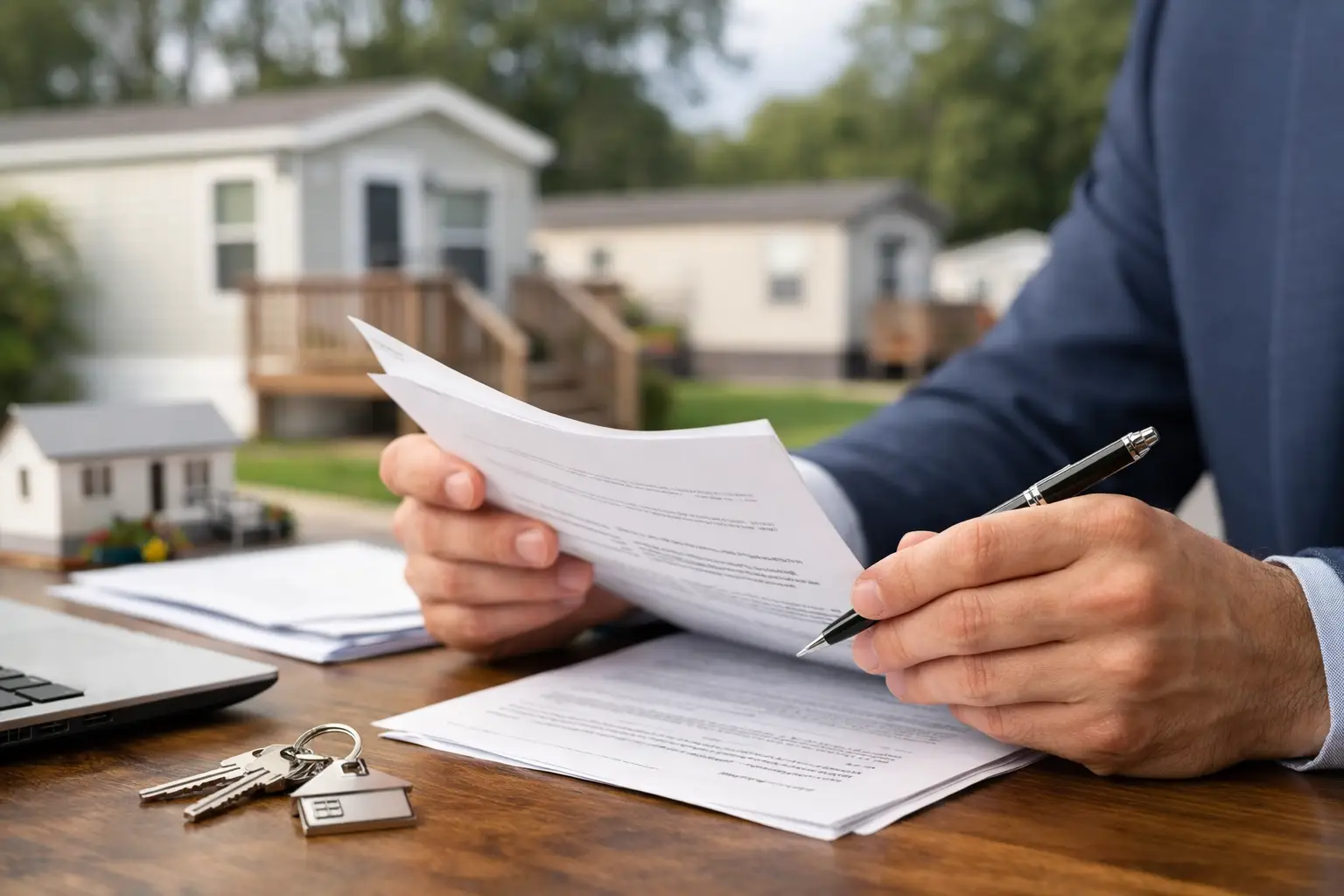
It’s fair to ask for a clear breakdown before you apply or sign anything. A good management team will explain recurring charges, deposits, and how payments work, including online options.
The “community” part: what you share, what you control
The biggest misconception about manufactured home communities is that you give up privacy. In reality, you’re trading a different kind of housing structure for a neighborhood model that still includes personal space.
You control the inside of your home and your daily life. You also typically have a driveway or parking area, a yard space, and an exterior you can take pride in. What you share is the infrastructure that makes the neighborhood function: roads, lighting, signage, common areas, and community systems.
When management invests in those shared elements - resurfaced streets, upgraded lighting, maintained landscaping, responsive service - it shows up in day-to-day livability. It also changes the experience from “somewhere to stay” to “somewhere to belong.”
Rules and standards: why they exist and when they feel restrictive
Every manufactured home community has rules. Sometimes people hear “rules” and assume it’s about control. Most of the time, rules are about protecting residents from the problems that happen when standards don’t exist.
Community policies commonly cover things like exterior upkeep, parking, noise, pets, and how modifications are handled. A clean, consistent neighborhood rarely happens by accident. Standards help keep yards from turning into storage lots, reduce unsafe conditions, and support a respectful living environment.
That said, rules can feel restrictive if they’re not communicated clearly or enforced unevenly. The best communities make expectations easy to understand, apply them consistently, and explain the why - because adults don’t need lectures, they need clarity.
Safety, stability, and management quality
Two communities can look similar on a map and feel completely different in person. The difference is often management.
Strong manufactured home community living is built on visible basics: working streetlights, maintained roads, responsive maintenance, and a team that treats residents with respect. Those are the things that influence whether you feel comfortable letting your kids ride bikes, whether you feel confident reporting an issue, and whether you see your neighborhood improving over time.
Stability matters too. A community with consistent oversight and long-term investment is less likely to feel neglected. When residents believe management is paying attention, they tend to take more pride in their own homes as well.
Amenities and social life: optional, not forced
Some residents want a quiet place where neighbors are friendly but not in your business. Others want community events, shared spaces, and a stronger social rhythm. Manufactured home communities can support both.
Amenities like a clubhouse or playground are valuable, but the real benefit is choice. You can participate when you want to and opt out when you don’t. For families and working adults, that flexibility is part of the appeal - you can build connection without feeling like you signed up for constant togetherness.
Who manufactured home community living fits best
This lifestyle often works well for households that want value without giving up a neighborhood feel. That includes first-time renters trying to stabilize costs, buyers aiming for entry-level homeownership, and long-tenured residents who want a place that stays clean and well-managed.
It can also be a strong fit if you’re tired of unpredictable rent spikes in traditional apartments, you want more space than a typical unit provides, or you’d prefer a front door and yard over shared hallways.
At the same time, it depends on your priorities. If you want to own land under your home, a manufactured home community may not match your long-term vision. If you strongly dislike community standards about exterior appearance or parking, you may feel boxed in. The right choice is the one that fits your lifestyle, not just your budget.
What to look for before you apply
The easiest way to evaluate a community is to pay attention to what’s consistent, not what’s promised. A tour will tell you a lot.
Look at the condition of roads and common areas. Notice lighting and signage. Check whether homes and yards look cared for. Ask how maintenance requests are handled and what the typical response time is. If you’re considering moving your own home in, ask about approval requirements upfront so you don’t waste time.
Also ask how rent payments and applications work. Many residents prefer digital self-service because it’s faster and easier to track. When a community offers online payment options and streamlined applications, it often reflects an overall operations mindset: organized, accountable, and resident-focused.
If you’re comparing options across states or price points, using a community search and browsing available homes can help narrow your shortlist before you spend weekends touring. If you’re looking for a well-managed neighborhood model with options to rent, buy, or move a home in, you can explore communities through Medallion Communities.
Closing thought
The best way to understand manufactured home community living is to stop thinking of it as a category and start thinking of it as a neighborhood choice. Find the place where upkeep is visible, expectations are clear, and you can picture your normal Tuesday there - because that’s the day that decides whether a community feels like home.