A streetlight goes out, a water issue shows up near your lot, or a tree branch starts hanging too close to the road. In a well-run neighborhood, those things should not linger for weeks while residents wonder who to call. A clear manufactured home community maintenance request process matters because it protects safety, keeps the property looking cared for, and gives residents confidence that management is paying attention.
That confidence is a big part of what makes community living work. People want affordable housing, but they also want clean streets, dependable infrastructure, and a management team that responds when something needs attention. The best maintenance systems do more than fix problems. They help create a community where residents feel respected and where everyday issues are handled in a predictable, organized way.
What the manufactured home community maintenance request process should do
A good process starts by making one thing simple: residents should know exactly how to report a problem. That usually means there is a primary channel, such as an online resident portal, a community office, or a dedicated phone line for urgent issues. When reporting is unclear, requests get delayed, details get missed, and frustration grows on both sides.
The process should also define what falls under community maintenance and what falls under resident responsibility. That distinction matters in manufactured home communities because there is often shared infrastructure alongside individually occupied homesites or homes. Community management may handle common areas, streets, lighting, drainage, signage, and certain utility-related issues, while residents may be responsible for items inside the home or on parts of the lot they control. Exact responsibilities depend on the lease, community rules, and whether the resident rents the home, owns the home, or is leasing only the homesite.
When expectations are set clearly, the relationship works better. Residents know what to report, management can route requests faster, and maintenance teams can prioritize the work that protects the whole neighborhood.
How a maintenance request usually moves from report to resolution
In most cases, the manufactured home community maintenance request process follows a few straightforward stages, even if the resident only sees one or two of them.
First, the issue is submitted. The strongest requests include the location, a short description of the problem, when it started, and whether it creates an immediate safety concern. If the portal allows photos, that can help the team understand the issue before visiting the site. A report that says "leak near mailbox cluster by lot 18" is far easier to act on than one that says "there is a problem outside."
Next comes review and triage. Not every issue carries the same urgency. A damaged utility cover, blocked roadway, active water leak, or electrical hazard may need immediate attention. A cosmetic issue in a common area may be scheduled differently. That is not a sign that management is ignoring smaller concerns. It is how responsible teams protect residents first while still organizing routine work.
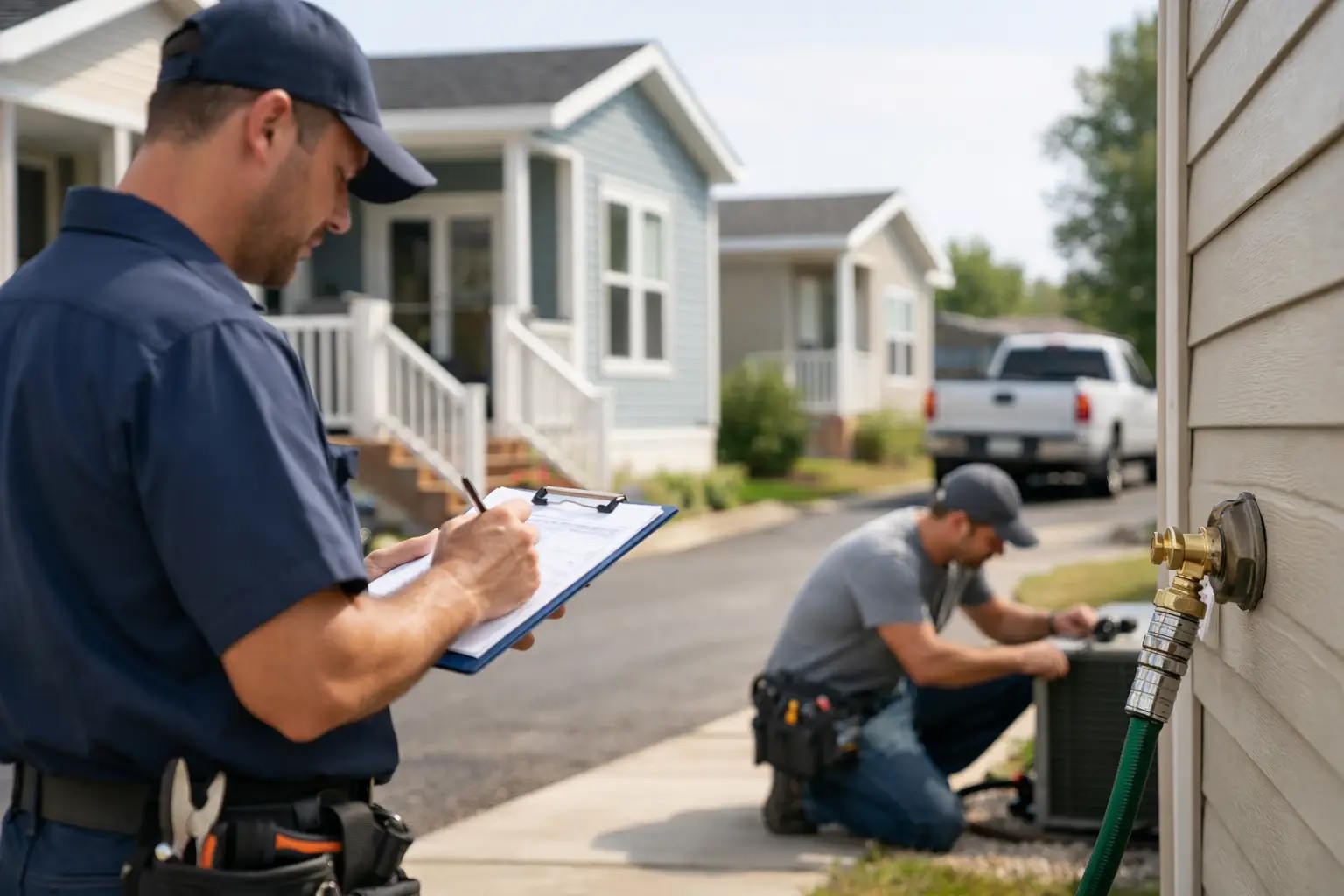
After that, the request is assigned. Depending on the issue, it may go to onsite staff, a regional maintenance team, a utility provider, or an outside contractor. This is one of the reasons response times can vary. Some jobs are quick and fully controlled by the community team. Others depend on permits, weather, part availability, or third-party service schedules.
Then the work is completed or updated. In the best systems, residents receive confirmation that the request was received and another update when it has been scheduled, completed, or requires additional information. Even when a repair takes time, communication goes a long way. People are generally more patient when they know their request has been logged and is moving.
What residents should report right away
Residents should never hesitate to report issues that affect safety, access, or shared infrastructure. That includes downed limbs blocking traffic, streetlight outages, standing water that may create a hazard, damaged signage, potholes, drainage failures, suspicious utility conditions, or maintenance problems in shared amenities and common spaces.
Some concerns may seem small at first but can grow quickly. A minor drainage issue after rain can turn into repeated standing water. A loose handrail near a community building can become a safety risk. Reporting early helps management solve problems before they become more disruptive or more expensive.
It also helps to understand the difference between urgent and emergency situations. A routine maintenance request is different from an emergency that threatens life, health, or major property damage. If there is fire, a gas odor, a medical emergency, or an immediate safety threat, residents should contact emergency services first and then notify community management as soon as possible.
Why digital reporting makes the process better
For many residents, convenience matters almost as much as the repair itself. If submitting a request requires repeated phone calls during office hours, avoidable delays can creep in. An online portal creates a more direct path.
Digital reporting gives residents a place to submit details at any time, not just when the office is open. It also creates a record. That matters because maintenance is easier to track when there is a timestamp, a written description, and a documented status. It reduces the chance that a message gets lost or remembered differently later.
For community operators, digital tools make service more consistent. They can sort requests by type, urgency, and location. They can look for patterns too. If multiple residents report drainage issues in one section of the property, that may point to a larger infrastructure need rather than a one-time fix. That kind of visibility supports better long-term upkeep, not just faster short-term repair.
What can affect response time
Residents understandably want problems fixed fast. Most of the time, management wants the same thing. Still, response time depends on the type of issue.
Emergency and safety-related items are typically prioritized first. Routine concerns may take longer, especially if they require contractor scheduling or follow-up inspection. Weather can also change timelines. After a major storm, for example, communities may have a high volume of requests related to tree debris, drainage, signage, and lighting, all at once.
There is also a difference between response and resolution. A team may respond quickly by confirming the request, inspecting the issue, and explaining next steps, even if the final repair takes more time. That distinction matters because it reflects whether management is engaged and organized.
The strongest communities are transparent about that reality. They do not promise instant fixes for every issue. They provide a process residents can trust.
Shared responsibility keeps the community stronger
A manufactured home community works best when maintenance is treated as a partnership. Management is responsible for stewardship of shared spaces and systems, but residents play a role too. Reporting concerns promptly, following community guidelines, and providing accurate details all help the process move faster.
This is especially true in communities where different occupancy models exist. A resident renting a home may have a different maintenance path than a homeowner leasing a lot. The basics are the same, but the scope of responsibility may not be. That is why reading the lease or residency documents matters. It gives residents a clearer picture of what management handles and what should be addressed directly by the occupant.
When those expectations are clear, maintenance feels less like a gray area and more like part of a shared commitment to the neighborhood.
The bigger picture behind a reliable maintenance request process
People sometimes think maintenance is only about repairs. In reality, it shapes daily quality of life. Clean common areas, working lights, safe roads, and responsive follow-up all signal that a community is managed with care. That affects how residents feel coming home, how visitors perceive the property, and how the neighborhood holds its value over time.
It also helps reshape outdated assumptions about manufactured home living. Well-managed communities show that affordability and attentive operations can absolutely go together. A clear process for maintenance requests is one of the most visible ways that commitment shows up.
At Medallion Communities, that kind of attentiveness supports the larger goal of creating places where residents can feel secure, welcomed, and proud of where they live. The process matters because people notice when management follows through.
If you live in a manufactured home community, the best next step is simple: know how to report issues before you need to. When the process is clear, small problems are easier to solve, bigger ones are easier to prevent, and the whole community benefits.