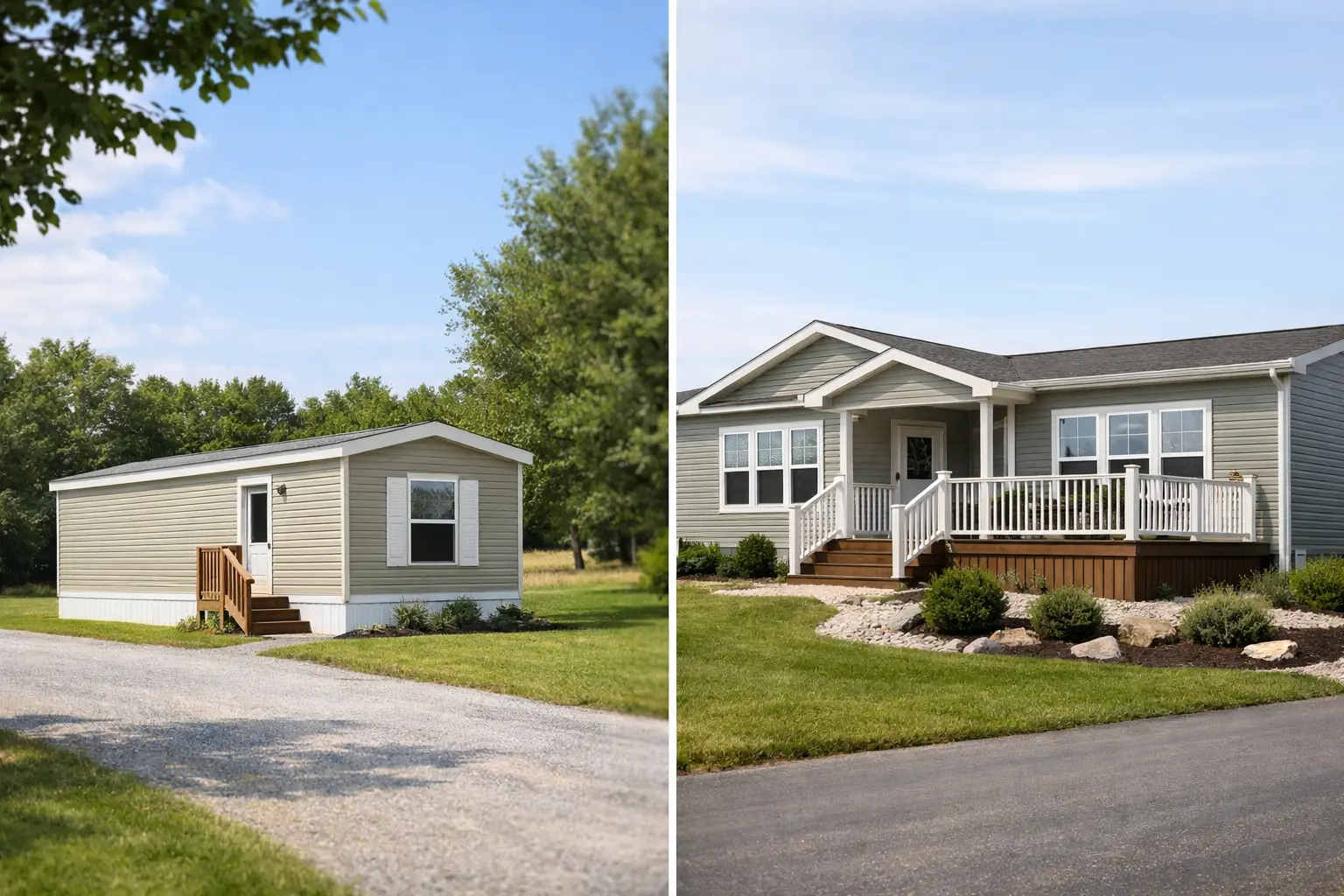
You can tell a lot about a manufactured home community in the first five minutes: the streets are either cared for or they are not, the yards either look lived-in and loved or neglected, and the vibe either feels calm or uncertain. What you are really seeing is the result of expectations - and how consistently those expectations are applied.
That is what manufactured home community rules and regulations are supposed to do. Not to nickel-and-dime residents, and not to make home feel restrictive, but to protect everyday livability: quiet at night, safe streets, well-kept homes, and neighbors who share the same baseline of respect.
What “manufactured home community rules and regulations” actually cover
Most communities have two layers of guidance. First is your lease or rental agreement (or, for homeowners, the lot lease) - the legal contract that spells out fees, term length, and core obligations. Second is the community rules - the practical, day-to-day standards for living in close proximity.
Those rules tend to land in a few predictable areas: property upkeep, noise and nuisance behavior, vehicles and parking, pets, guests, amenities, and how changes to the home or lot get approved. The exact language varies, and it should - a quiet retiree-heavy community will not have the same needs as a family-forward community with playgrounds and bus stops.
The key is not whether a community has rules. The key is whether the rules are clear, consistently enforced, and designed to support a safe, welcoming neighborhood.
Why rules matter more in a manufactured home community
In a typical subdivision, homeowners might have an HOA, but the roads, utilities, and common spaces are often run by a mix of public services and homeowner dues. In a manufactured home community, the owner-operator is usually responsible for a lot more infrastructure and shared space: internal streets, lighting, drainage, amenity areas, and community standards that directly impact safety and property condition.
That extra responsibility creates an extra need for clarity. If a community is investing in resurfaced roads, brighter lighting, or updated common areas, it also needs resident cooperation to keep the neighborhood working as intended. Rules are how everyone stays aligned.
There is also a fairness factor. Clear regulations help prevent “selective enforcement,” where one resident is held to a standard and another is not. A good ruleset protects residents who are doing the right thing.
The rules you will almost always see (and what they signal)
You do not need to memorize a handbook to be a good neighbor. But it helps to know what is typical and why it exists.
Home and lot appearance standards
Expect guidelines on mowing, trash storage, outdoor clutter, and basic exterior condition. Some communities also address skirting, steps/rails, visible repairs, and how long a home can sit with significant exterior damage.
These standards can feel picky until you realize the trade-off: neighborhoods with no baseline expectations often slide into uneven upkeep. That affects pride of place and, for homeowners, it can affect resale value. The best communities keep the standards reasonable and offer a straightforward path to cure a violation before it becomes a bigger issue.
Vehicles, parking, and inoperable cars
Parking is one of the fastest ways a community can feel crowded or unsafe. Rules may cover where you can park (driveway, designated spaces, street), commercial vehicles, trailers, and whether inoperable or unregistered vehicles are allowed.
If you rely on a work truck, this is the section to read carefully. Some communities allow certain commercial vehicles with limitations; others restrict them to keep streets clear and sightlines safe for kids and pedestrians.
Noise, nuisance behavior, and neighbor respect
Most communities set quiet hours and prohibit behavior that disrupts others. This can include loud music, repeated disturbances, aggressive conduct, or unsafe activity.
A good rulebook here is less about policing normal life and more about setting a shared expectation: everyone deserves to feel comfortable in their own home.
Pets and pet responsibility
Pet rules typically cover leash requirements, waste cleanup, vaccination and licensing compliance, and limits on number of pets. Some communities also have breed or size guidelines, often driven by insurance requirements rather than preference.
If you have a pet, ask how the community handles pet concerns in practice. The difference between a pet-friendly neighborhood and a stressful one is usually enforcement consistency: responsible owners feel supported, and repeated issues are addressed promptly.
Guests, occupancy, and long-term visitors
Communities often include rules on how long guests can stay before they are considered an occupant. This is about safety, parking capacity, and making sure the people living in the community are on file for emergency and accountability purposes.
If you have family who visits for extended periods, ask for the exact threshold and the process for adding an occupant.
Amenities and shared spaces
If there is a clubhouse, pool, playground, or community green space, there will be hours and usage rules. These are meant to keep amenities enjoyable for everyone and reduce safety risks.
Communities that run activities or events may also include rules that protect a welcoming environment - respectful conduct, supervision expectations for minors, and limitations on private parties.
Rules that vary the most - and why you should ask early
Some topics are community-specific, and you should treat them as “early questions,” not last-minute surprises.
If you plan to move your own home into a community, architectural standards and installation requirements matter a lot. Communities may have guidelines for acceptable home age, exterior condition, roof type, siding standards, skirting, and steps. They will also have requirements tied to local codes and lot readiness: tie-downs, utility hookups, and permitted installers.
Another variable is fencing, sheds, and exterior improvements. Some communities allow fences with approval and specific materials; others limit them to keep sightlines open and maintenance manageable. The same goes for sheds, patio covers, satellite dishes, and major landscaping changes.
Finally, fee-related policies can vary. Late fees, returned payment fees, and amenity deposits are often covered in the lease documents. It is reasonable to expect transparency here. If a fee exists, it should be spelled out clearly.
How enforcement should work in a well-managed community
The goal is not “gotcha.” The goal is predictable, fair standards that keep the community safe and clean.
In practice, that usually means written notices when a rule is violated, a reasonable time to correct the issue, and an opportunity to communicate if there is a legitimate hardship. There are times when urgent issues require faster action (think: unsafe structures, blocked roadways, aggressive animals), but most situations should start with clarity and a path to resolution.
If you are evaluating a community, you can learn a lot by asking simple questions: How are violations communicated? Who do I contact if I disagree? Do you document the issue? What is the typical cure period? The answers reveal whether management is reactive or steady.
Your rights still matter (and state laws can shape the rules)
Manufactured home community regulations are not a substitute for state and local law. States often have landlord-tenant statutes that govern notices, evictions, habitability, and fees. Some states also have laws specific to manufactured housing communities, especially around lot leases and resident protections.
That is why “it depends” is a real answer sometimes. A policy that is standard in one state may be limited or structured differently in another. If something in a ruleset feels unusual, it is appropriate to ask for the rationale and where it is addressed in the lease documents.
Residents also have responsibilities. Following community standards and communicating early when something changes (a new vehicle, a longer-term guest, a planned exterior project) is the simplest way to avoid conflict. Most problems grow when they sit unaddressed.
How to evaluate rules before you move
The best time to understand a community is before you sign anything. Look for a community that is proud to share its expectations - not one that treats rules like fine print.
Start by reading the rules with your real life in mind. If you work early shifts, quiet hours matter. If you have teens who drive, parking rules matter. If you have pets, pet policies matter. If you are buying a home, exterior standards and improvement approvals matter.
Then compare the written rules to what you see onsite. If a community says it enforces parking but streets are lined with inoperable vehicles, the issue is not the rules - it is follow-through. On the other hand, if homes and lots look consistent and cared for, it is a sign the community has clear standards and residents generally buy into them.
If you want a community experience that pairs attainable housing with a neighborhood feel, choose a place where the rules match that promise. Operators like Medallion Communities emphasize belonging and upkeep because those values show up in day-to-day living, not just marketing.
If you already live in a community: making rules work for you
Even in a great neighborhood, friction happens. A rule may feel unclear. A neighbor might repeatedly ignore a standard. Or you might need an exception because of a temporary hardship.
The most productive approach is direct and documented. Ask for the specific rule in writing, clarify what compliance looks like, and propose a timeline if you need time to fix something. If the issue is a neighbor concern, report it through the proper channel rather than escalating face-to-face. Communities work best when concerns are handled consistently, not personally.
If you are planning a change - a fence, a shed, a new exterior paint color - ask before you spend money. Approval processes can feel like extra steps, but they prevent the worst-case scenario: paying for an improvement and then being told to undo it.
A quick reality check: rules are a trade-off, but so is the alternative
A community with no clear regulations can sound appealing until you live next to constant noise, unmanaged pets, overflowing trash, or parking that blocks sightlines and access. Structure is not the enemy of comfort. The wrong structure is.
The right manufactured home community rules and regulations are easy to understand, rooted in safety and respect, and enforced with consistency. When that is true, you do not think about the rules every day - you just enjoy a place that feels stable, clean, and neighborly.
If you are weighing communities right now, let the rules tell you what the community values. Choose the one that makes it easiest to live the kind of life you are moving for.