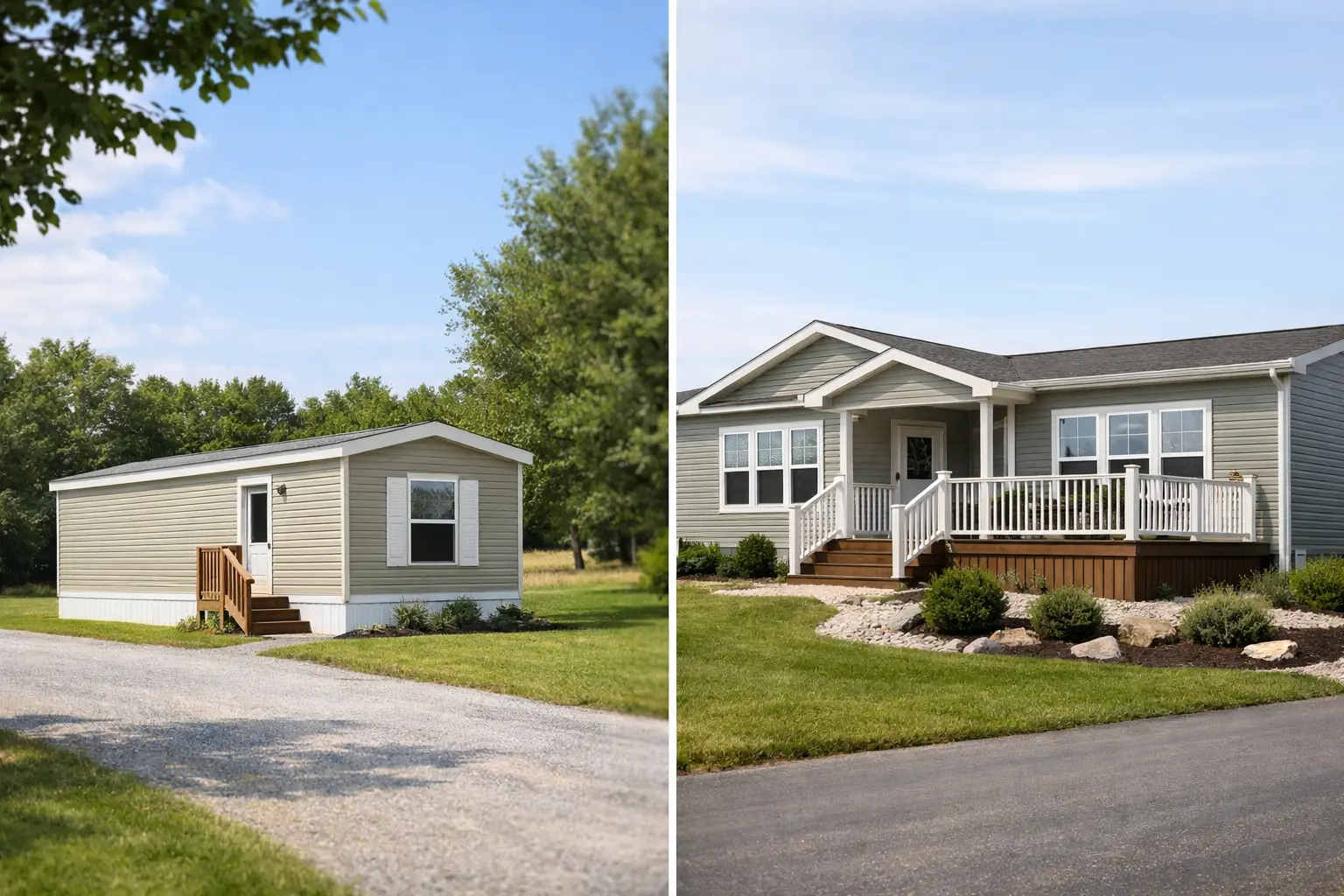
You find a manufactured home that fits your budget, the neighborhood looks cared for, and you can picture life there - then the application asks for details you did not expect. That moment is common, and it does not mean you are doing anything wrong. It usually means the community is being intentional about safety, upkeep, and stable residency.
This guide breaks down manufactured home rental application requirements in plain English. You will know what information is typically needed, why it is requested, and what to do if your situation is not “cookie-cutter.”
Why these requirements exist in well-managed communities
A manufactured home community is not just a row of rentals. It is shared streets, shared utilities in many cases, shared standards, and neighbors who expect the property to stay clean, quiet, and well maintained. Application requirements help communities place residents who can comfortably afford the home, follow community guidelines, and contribute to a respectful living environment.
That can feel personal when you are the one being screened, but the upside is real: communities that screen consistently tend to have fewer disruptions, better upkeep, and more predictable day-to-day living.
Manufactured home rental application requirements you should expect
Most rental applications ask for the same core categories of information, but manufactured housing can add a few community-specific details. You will usually see requests tied to identity, income, rental history, and background screening.
Proof of identity and basic information
Expect to provide your full legal name, date of birth, phone number, email, and current address. You will also be asked for a government-issued photo ID, such as a driver’s license or state ID. This is used to verify you are who you say you are and to run standard screening reports.
If more than one adult will live in the home, many communities require every adult occupant to apply. That is not about being difficult - it is about accountability and ensuring everyone who will be living there meets the same baseline standards.
Income verification and employment details
A big piece of the rental decision is whether the monthly rent is realistically affordable for your household. Communities typically ask for employer information, recent pay stubs, offer letters, or other proof of income. If you are self-employed, you may be asked for recent bank statements, tax returns, or a profit-and-loss statement.
If your income is non-traditional, that does not automatically disqualify you. It just means you should be ready to document it clearly. For example, retirees may use Social Security or pension statements. Households with support payments may need official documentation showing consistent receipts.
Many communities use an income-to-rent guideline, but the exact ratio can vary by location and local market conditions. If you are close to the line, stronger documentation and stable history can matter.
Rental history and housing references
You will often be asked for previous addresses, landlord contact information, and move-in and move-out dates. This helps verify patterns: paying on time, taking care of the home, and leaving the unit in good condition.
If you have limited rental history, be upfront. Some applicants are first-time renters, have recently relocated, or have been living with family. In those cases, a community may lean more heavily on income stability and personal references, or request a higher deposit where allowed.
Credit screening: what it is and what it is not
Credit checks are common in rental housing, including manufactured home rentals. They are generally used to understand payment behavior over time, not to judge you as a person. Some communities look at score thresholds, while others look more at the full picture - debt levels, past-due accounts, collections, and how recent any negative events are.
It depends on the community. A well-run process should feel consistent and explained, not arbitrary. If your credit is challenged due to a one-time hardship, be ready to share context if the application allows it. Recent, repeated non-payment patterns tend to be more concerning than older issues that have been resolved.
Background screening and community safety
Many communities run criminal background screenings as part of the application. The purpose is community safety and reducing preventable problems for neighbors.
What is considered disqualifying varies by operator and local regulations. Some offenses may be automatic disqualifiers, while others are reviewed based on severity, recency, and relevance. If you have questions about how screening works, ask before you apply so you are not guessing.
Application fee, holding fee, and deposits
It is normal to see an application fee to cover the cost of screening reports and processing. You may also see a holding fee or reservation fee if you want the home taken off the market while your application is reviewed.
Security deposits vary widely. They are often tied to risk factors like credit, rental history, or prior balances owed to landlords. Ask what is refundable, what conditions apply, and when refunds are processed if you are not approved or you decide not to move forward.
Occupancy limits and household composition
Manufactured homes are designed with specific bedroom counts, and communities follow occupancy standards. You will likely be asked to list everyone who will live in the home, including children.
Some communities also ask about pets, including breed, weight, vaccination records, and licensing where required. Pet policies are usually about safety, noise, and protecting the home’s condition.
If you are moving your own manufactured home into a community
Not every applicant is renting a home already set on-site. Some residents own a manufactured home and are applying to lease a lot within a community.
In that case, you may see additional requirements beyond the typical rental application. Communities often need to confirm the home meets community standards and local code requirements. You may be asked for the home’s make, model, year, dimensions, and sometimes photos or an inspection. There may also be rules about skirting, steps, tie-downs, and exterior condition.
This is where “transforming perceptions” becomes real. Strong standards help ensure the community stays clean and consistent, which protects everyone’s quality of life - including yours.
How to prepare so your application moves faster
Most delays happen for simple reasons: missing documents, unreachable references, or incomplete household information. A little preparation can reduce the back-and-forth.
Before you apply, gather your ID and the last couple of pay stubs or equivalent income proof. If you have changed jobs recently, have your offer letter or a verification contact ready. Write down your prior addresses and landlord contact info so you are not scrambling mid-form.
If you are applying with another adult, coordinate in advance. Many communities cannot complete screening until all required applicants have submitted their portions.
If you are using an online application portal, set aside uninterrupted time to complete it. Small typos in Social Security numbers, dates of birth, or email addresses can slow identity verification and screening.
“It depends” situations - and how communities often handle them
Real life is messy. A good housing process makes room for that while still protecting the community.
If you have a recent job change, approval may hinge on whether the new income is stable and verifiable. If you have seasonal income, you may need to show a longer history to demonstrate consistency.
If you are rebuilding credit, some communities may consider a higher deposit, a qualified co-signer, or additional documentation. Not every operator allows co-signers, so ask early.
If you have an eviction on record, expect closer review. Timing and context matter, and policies vary widely. The most productive approach is to be direct and provide documentation that shows the situation has changed, such as steady employment and positive recent rental references.
What a respectful, transparent application experience should feel like
You should know what is being screened and what you are authorizing. You should be able to ask what documents are needed and get a straight answer. You should also receive clear next steps: how long reviews typically take, how you will be contacted, and what happens after approval.
Communities that emphasize belonging and long-term livability tend to be consistent about rules and responsive about questions. That consistency is not just operational - it is part of what makes a neighborhood feel stable.
If you are looking for a manufactured home community that pairs affordability with attentive management and easy online tools, you can explore homes and apply through the resident-friendly search experience at Medallion Communities.
A few smart questions to ask before you apply
If anything is unclear, ask before you pay an application fee. You can simply ask what standards are used for income, credit, and background screening, whether all adults must apply, and what the typical timeline is.
Also ask about ongoing expectations once you are approved: community guidelines, parking rules, pet policies, maintenance responsibilities, and how rent is paid. A community that runs well will not dodge those questions because clear expectations are a big part of keeping the neighborhood clean, safe, and welcoming.
If you treat the application like the first step of becoming a good neighbor - not a test you have to “beat” - the process usually feels simpler. Gather your documents, be accurate, ask direct questions, and choose a community whose standards match the kind of home life you want to build.