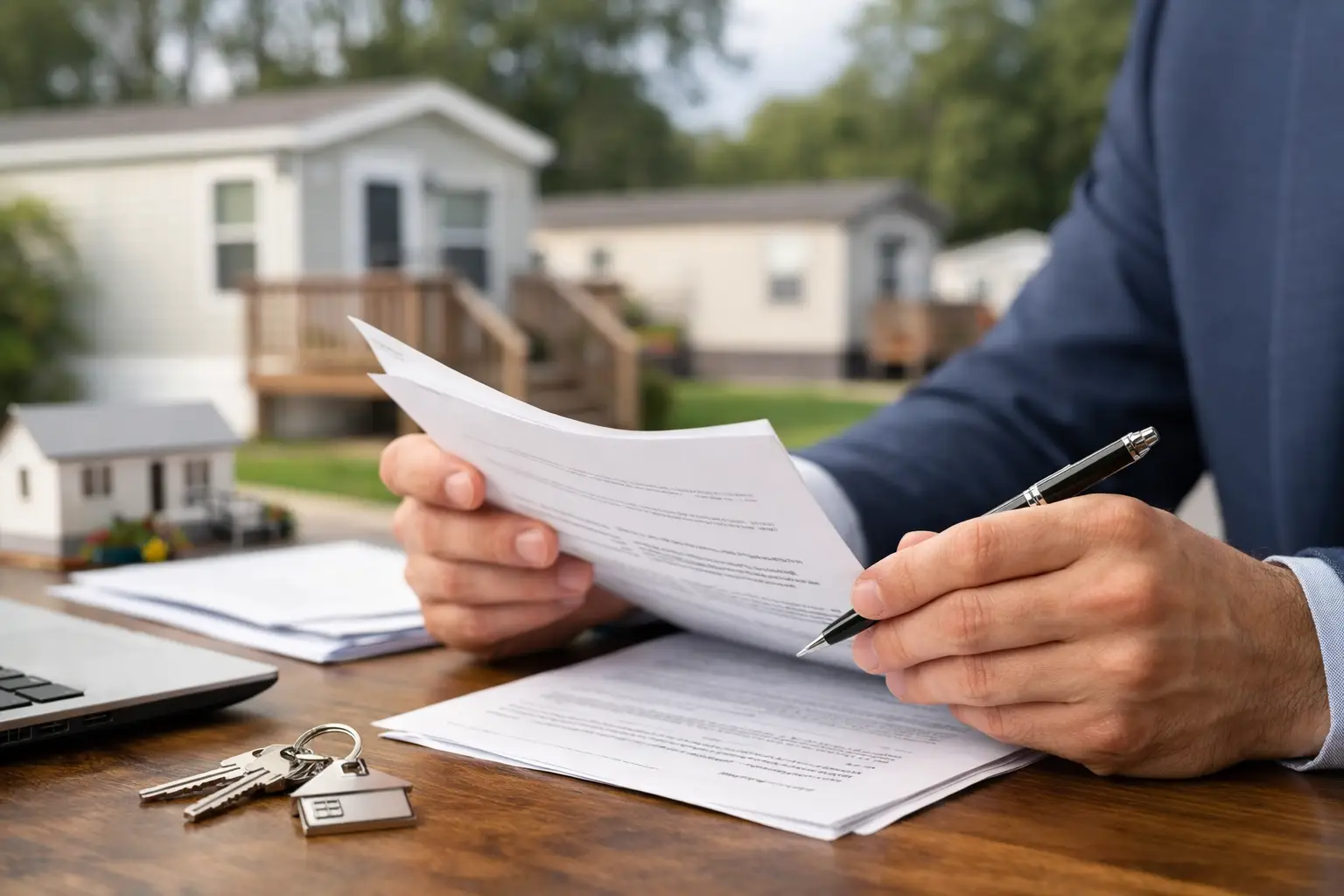
You found a manufactured home that actually feels like a neighborhood - clean streets, cared-for yards, friendly waves, and a place you can picture coming home to. Then the big question hits: do you rent the home, buy the home, or bring a home you already own into a community?
This is exactly where people can get stuck, because “manufactured home” decisions have two moving parts: the home itself and the land it sits on. In many communities, you can rent a home (home plus lot in one monthly payment), or you can buy a home while leasing the homesite (you own the home, the community owns the land). Each route can be a smart choice. The right one depends on your timeline, your cash, and how much control you want.
Manufactured home rental vs buying: what you are really choosing
When people compare renting vs buying, they often focus only on the monthly number. That matters, but it is not the whole picture.
If you rent a manufactured home, you are usually paying for the home, the lot it sits on, and the day-to-day simplicity of calling maintenance when something breaks. You get predictable move-in costs and flexibility if life changes.
If you buy, you are choosing long-term stability and control. You can personalize more, you are building equity in the home over time, and you are less exposed to rent changes on the home itself. But you are also taking on more responsibility for upkeep and planning for repairs. Even when you own the home, you will typically still pay a monthly homesite fee (sometimes called lot rent) that covers your place in the community and shared infrastructure.
There is also a third option that matters for many households: you already own a manufactured home and want to move it into a well-managed community. That can be a strong way to keep your current home while upgrading your day-to-day environment.
When renting a manufactured home makes the most sense
Renting is a practical choice when you want to get settled quickly without draining savings. Many renters are looking for a clean, stable place to live with a neighborhood feel - and they want a clear monthly payment they can plan around.
Renting often works best when your timeline is shorter or uncertain. If you are relocating for work, rebuilding credit, testing a new school district, or simply not ready to commit, renting gives you room to breathe. It also reduces the upfront expenses that can come with purchasing, like down payments, closing costs, and the first round of “new home” add-ons that catch people off guard.
Another real advantage is maintenance simplicity. Depending on the community and the lease terms, renters may have fewer repair responsibilities than owners. That can be a big deal if you are busy, if you are not handy, or if you want fewer surprise expenses. The best rental experience is not just about the home - it is about responsive management, clear community standards, and an environment that is kept up consistently.
Renting can also be a smart way to enter a community you truly like. Living there first gives you a feel for parking, lighting, noise levels, neighbor culture, and how quickly management responds. If you end up loving it, you can explore buying later with more confidence.
When buying a manufactured home is the better fit
Buying tends to shine when stability and long-term value are your priorities. If you plan to stay for several years, owning can put you in a stronger position financially and emotionally. It is easier to settle in when you know you are not moving every year or two.
Ownership also gives you more control over your space. That might mean small improvements like flooring or paint, or bigger choices like landscaping and outdoor living areas - depending on community guidelines. For families, that sense of “this is ours” matters.
From a money standpoint, buying can protect you from the yearly uncertainty of home rent increases because you are not renting the home. You still need to factor in the monthly homesite fee and utilities, but the payment structure can feel more predictable over time. And while manufactured homes do not always appreciate the same way as site-built homes, equity can still be meaningful if you buy at the right price, keep the home in good condition, and choose a community with strong upkeep standards.
Buying is also a good fit if you have some savings for the upfront costs and you are prepared for responsibility. When you own a home, you should plan for repairs the way any homeowner would. That means thinking ahead about roofs, appliances, HVAC service, plumbing issues, and the small wear-and-tear items that inevitably pop up.
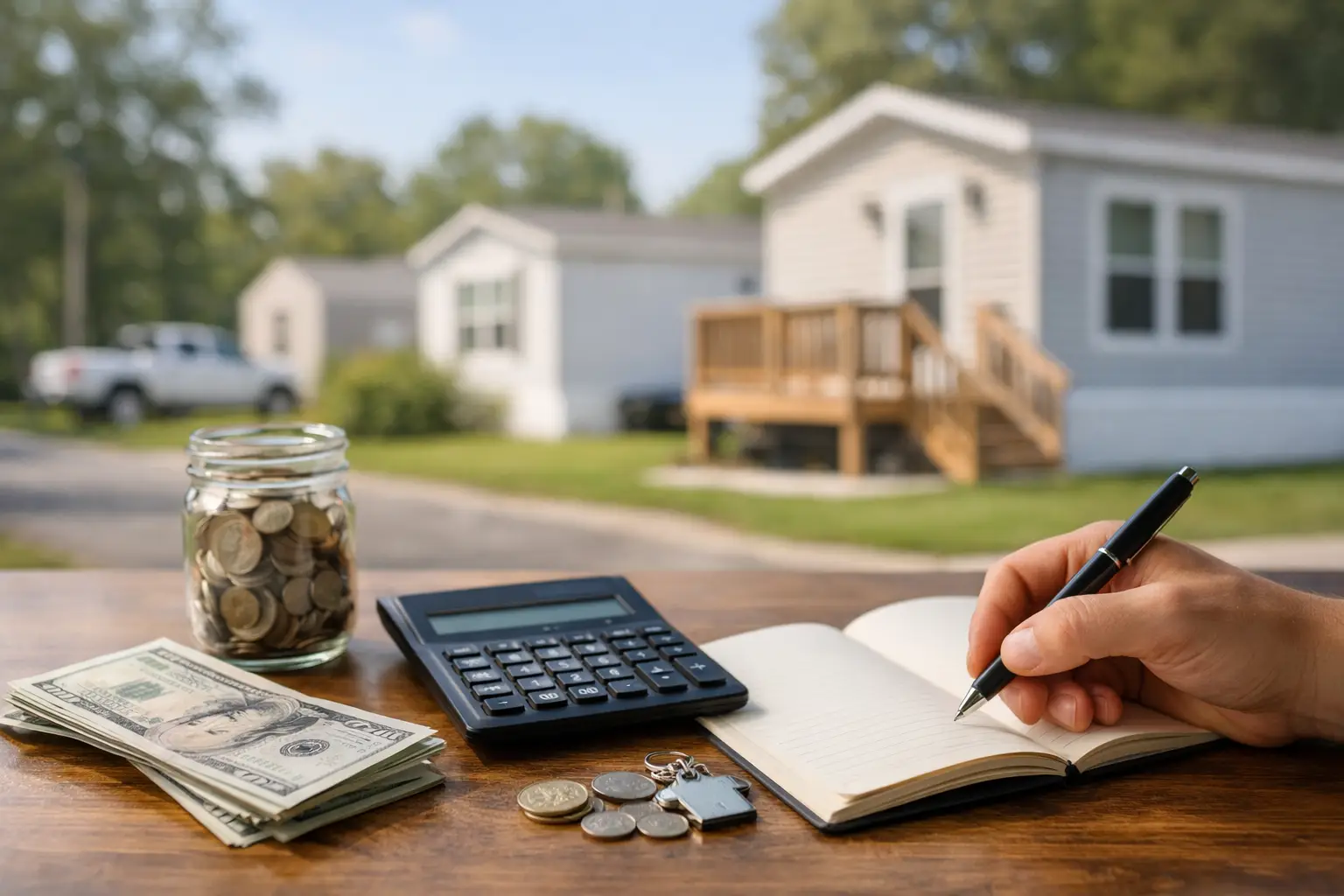
The cost question: monthly payment is only one line item
Most households start with “What will I pay per month?” The smarter question is “What will I pay to live well here for the next few years?” That includes upfront costs, repairs, and the cost of moving.
Renting typically has lower move-in costs. You may pay an application fee, a security deposit, and the first month’s rent. Buying typically requires more cash upfront, even if the monthly payment ends up similar.
Ownership has ongoing costs that renters may not feel the same way. Insurance is a must, and it may look different than renters insurance. Maintenance and repairs are part of the deal. If you are budgeting to buy, build a cushion for the first year because that is when many homeowners handle the “make it ours” updates.
Then there is the cost of moving. Manufactured homes are not easy or cheap to move, and some homes cannot be moved at all depending on age and condition. If you buy, you should go in expecting to stay put long enough for the purchase to make sense. Renting can be more flexible if you think your job, family situation, or finances might change.
Stability, flexibility, and the reality of life changes
A lot of “rent vs buy” advice assumes your life is predictable. Real life rarely is.
If you expect changes - a job transfer, a growing family, a changing commute, or uncertainty about how long you will be in a city - renting can be the calmer choice. It keeps your options open.
If you crave stability - the same neighbors, the same school route, the same place to walk after dinner - buying can be deeply reassuring. Many residents choose ownership because they want a long-term home base without stretching into a price range that creates constant stress.
There is no moral victory in either decision. The win is choosing the option that supports your life right now and sets you up for what is next.
Community standards matter as much as the home
Two manufactured homes can look similar online and feel completely different in real life depending on where they are placed.
A community’s upkeep standards and management approach can influence everything: how safe the streets feel at night, whether common areas stay clean, how quickly issues get handled, and whether residents feel proud of where they live. This is one reason manufactured home living is being redefined in well-run communities. When property standards are clear and consistently enforced, the whole environment feels more stable.
As you compare options, pay attention to the unglamorous details that affect daily life - lighting, road conditions, mailbox areas, landscaping, rules that protect neighbors, and how management communicates. Those factors often matter more than one extra feature inside the home.
Bringing a home you own into a community
If you already own a manufactured home, moving it into a well-managed community can be a powerful upgrade. It can give you the neighborhood feel and the infrastructure you want, without buying a new home.
This path is not automatic, though. Communities typically have standards for home condition, age, and installation requirements. That is not about being difficult. It is about protecting everyone’s quality of life and maintaining property values across the neighborhood.
If you are considering this option, ask early about approval steps, lot availability, and what improvements might be required before the move. You will also want clear expectations about the homesite fee, utilities, and the rules that keep the community clean, safe, and welcoming.
A decision filter you can actually use
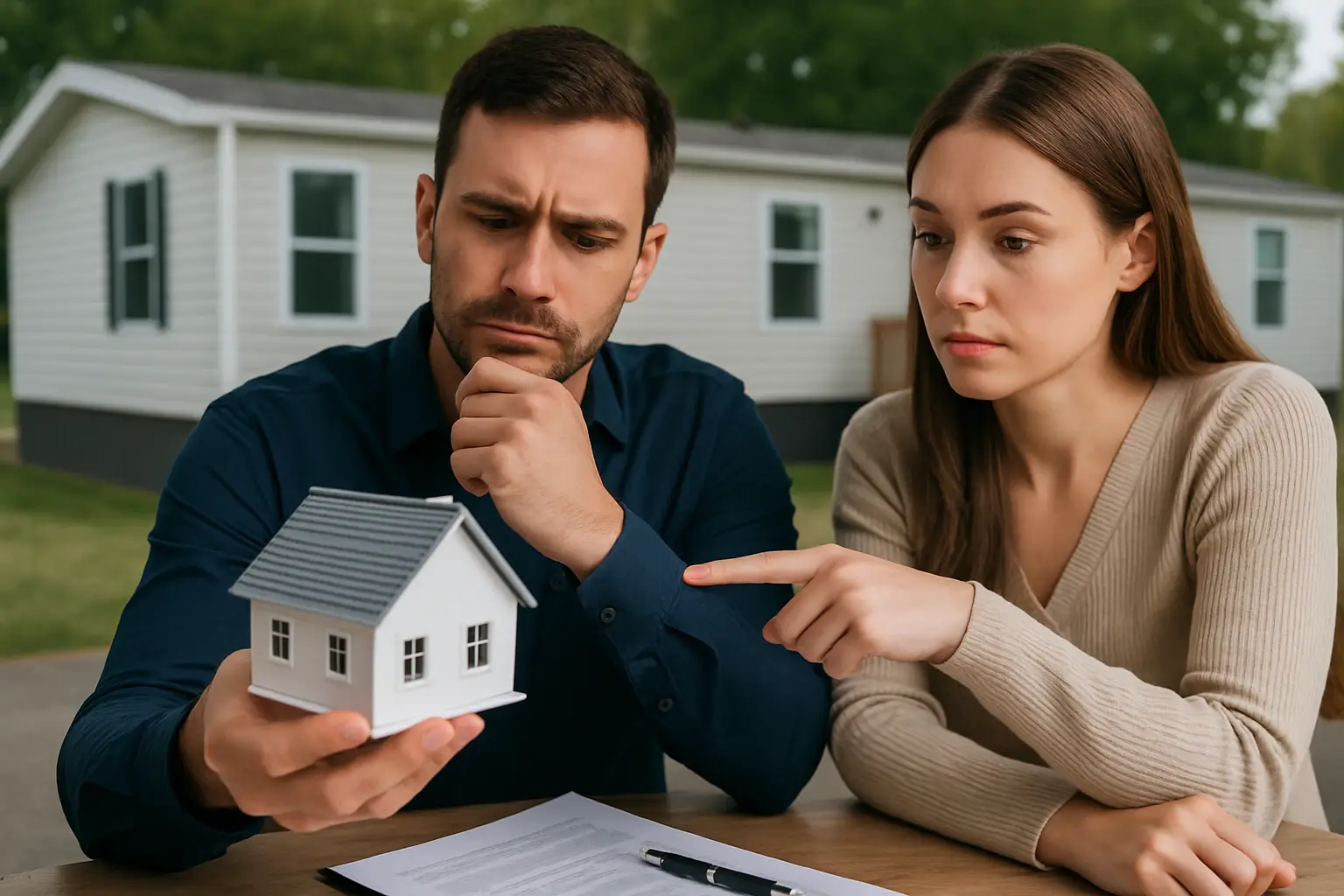
If manufactured home rental vs buying feels like a coin toss, use a simple filter: time, cash, and responsibility.
If your time horizon is under a few years, renting usually reduces risk. If you have cash for upfront costs and a longer timeline, buying can be rewarding. If you want fewer repair surprises and less responsibility, renting is often the smoother experience. If you want control and are comfortable planning for maintenance, buying can fit well.
Then add one more factor that people forget: how much you value being known in your neighborhood. If belonging and stability are a priority, a community that is managed with care will make either path feel better.
If you want to see manufactured homes for rent or for sale in established communities - and explore options for placing a home you already own - you can start with location-based search and listings at Medallion Communities.
Set your decision down on paper, then visit in person. Walk the streets, notice the details, and picture a normal Tuesday - not just move-in day. When the choice matches your real life, you will feel it: your budget relaxes, your routine gets easier, and your home starts to feel like a place you can truly belong.