If you have ever toured a place that was called a “mobile home park” but the homes looked modern, the streets were freshly paved, and the office ran like a neighborhood hub, you have already bumped into the real issue: people use old words for a housing option that has changed.
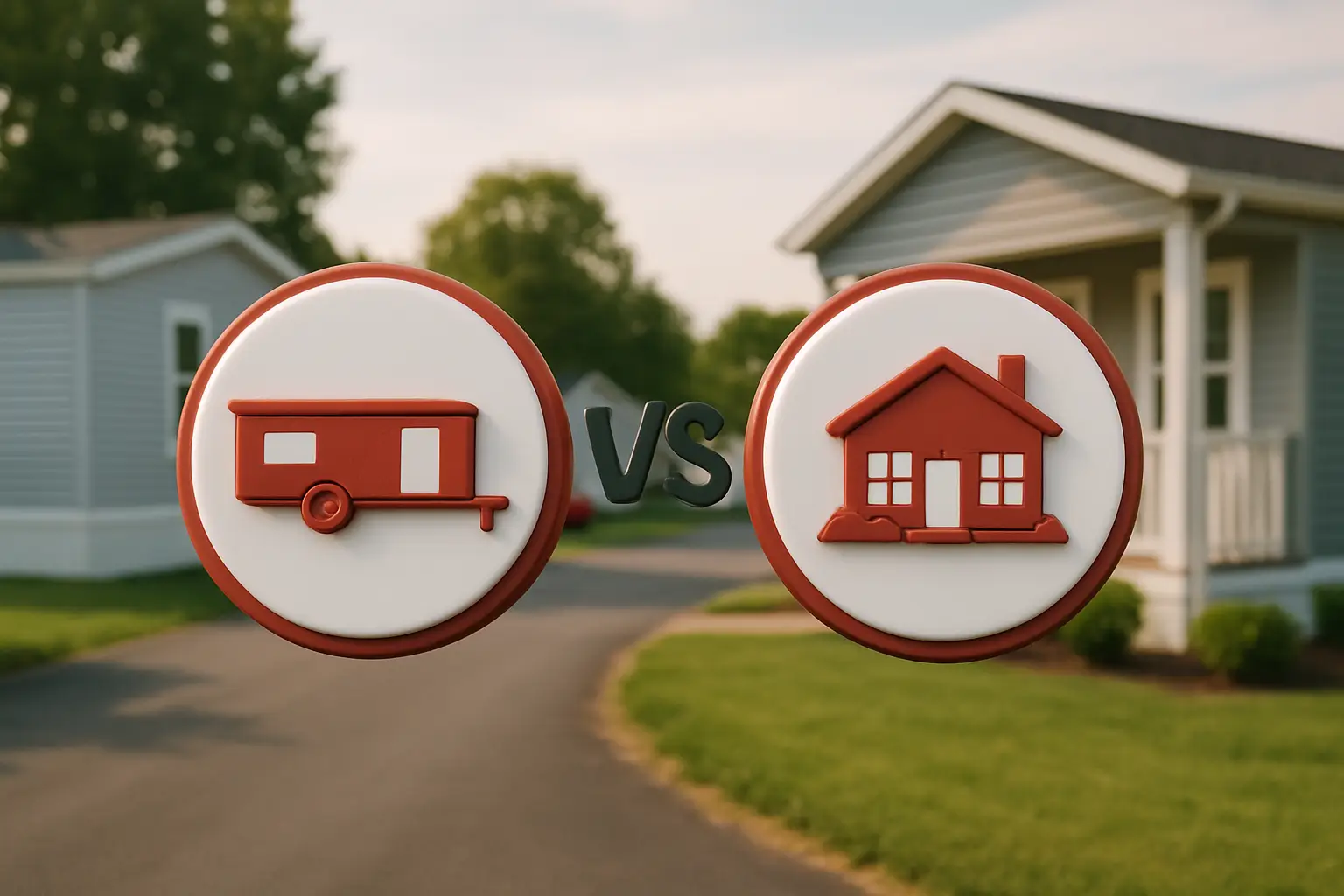
You are not wrong to ask what you are actually shopping for. Names can signal the age of the community, the management style, and even what your day-to-day life will feel like. They can also be marketing shortcuts. The truth is that there is overlap, but the difference between mobile home park and manufactured home community usually comes down to time period, standards, and the resident experience a community is designed to deliver.
Why the words get mixed up
“Mobile home” is the term most Americans grew up hearing. It stuck because it was simple and because the earliest factory-built homes were often relocated and set up with minimal site work. Over time, federal construction standards changed, financing evolved, and communities started investing in amenities and long-term upkeep.
“Manufactured home” is the modern, legal term for a home built to the HUD Code (the national building standard that took effect in 1976). When people say “manufactured home community,” they are usually trying to communicate that the neighborhood is intentionally managed, more permanent, and aligned with today’s expectations for safety, appearance, and services.
So, sometimes the label is just habit. Other times, it is a clue.
The “mobile home” era vs the manufactured home era
One practical way to understand the difference is to think in decades.
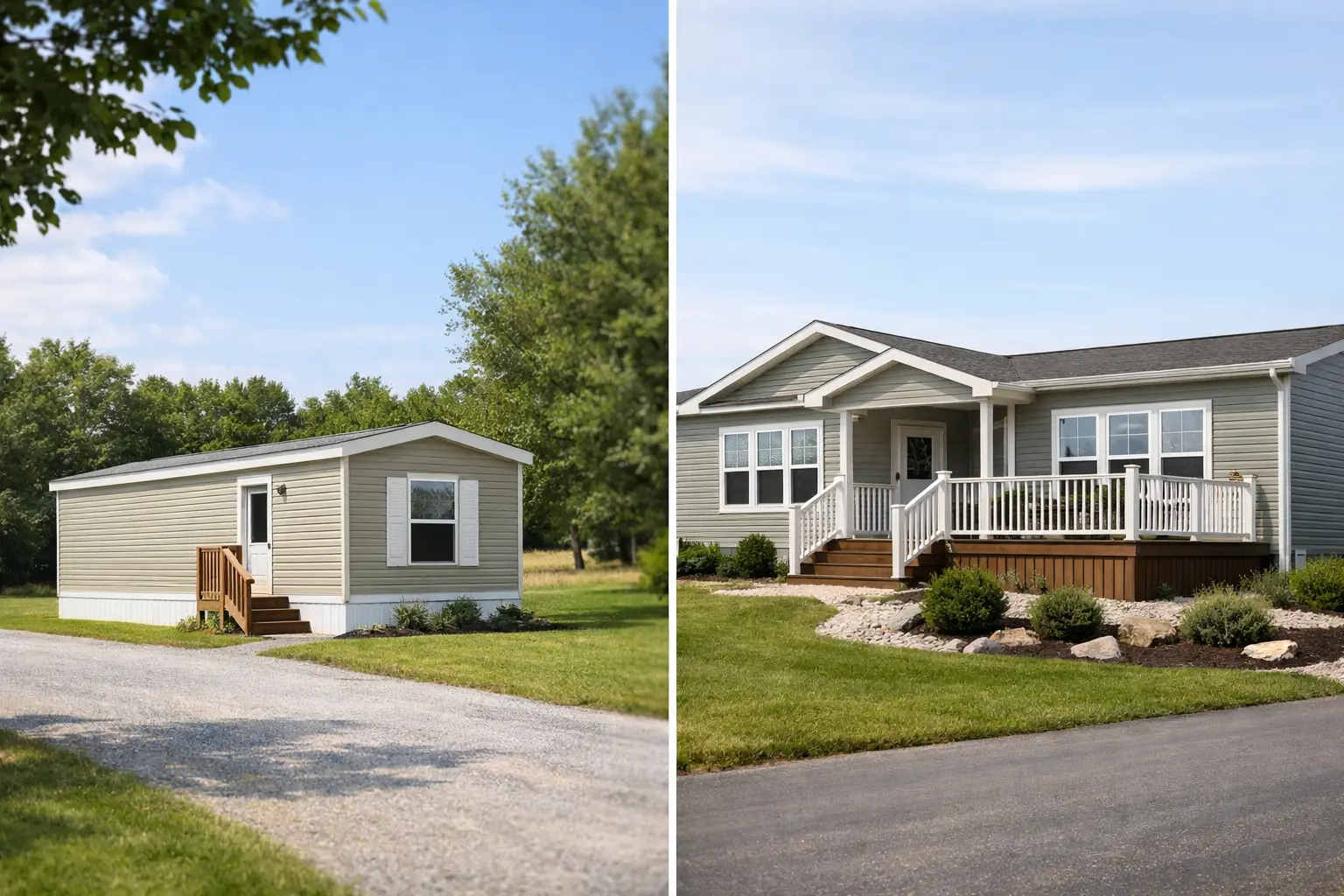
Communities commonly called “mobile home parks” may include older homes, older infrastructure, and layouts designed for a different time. That does not automatically mean they are poorly run. It does mean you should pay closer attention to basics like road condition, drainage after heavy rain, mailbox areas, streetlights, and how clearly rules are communicated.
Manufactured home communities, especially those actively maintained or recently improved, tend to emphasize permanence. Lots are typically designed for longer-term placement, and you will often see clearer community standards, defined parking, maintained common areas, and a management model built around retention and resident satisfaction.
The home itself matters too. A pre-1976 “mobile home” is not built to the same federal construction code as a post-1976 manufactured home. If you are buying, insuring, or moving a home, that difference can affect eligibility and cost.
Difference between mobile home park and manufactured home community: what it means for daily life
For most households, the real decision is not about terminology. It is about whether the neighborhood supports the kind of stability you want.
A manufactured home community is more likely to operate like a managed neighborhood. That can show up in small, meaningful ways: consistent trash service, rules that protect curb appeal, responses to maintenance issues, and investments that make walking the community feel comfortable at night.
A mobile home park might offer lower costs or a looser environment, which some residents prefer. The trade-off is that “looser” can sometimes mean inconsistent upkeep, fewer shared amenities, and less predictability if ownership or management changes.
It depends on the operator more than the sign at the entrance, but names often hint at the operating philosophy.
Ownership basics: home, land, and what you pay each month
In both setups, you will typically see some version of “you own or rent the home, and you lease the lot.” That lot lease often covers the right to place your home on the site and may include certain services.
Where communities can differ is in how clearly those costs are presented and how stable they feel over time. A well-run manufactured home community usually sets expectations upfront: what is included in lot rent, what utilities are separately metered, how pets are handled, and what the process is for residents who want to bring in their own home.
In a more traditional mobile home park, you might still get those answers, but you may have to ask more questions to find them. If you are comparing options, do not just compare the headline lot rent. Ask what you are responsible for, what the community maintains, and how issues are escalated.
Infrastructure and upkeep: the “invisible” difference
Infrastructure is not exciting until it becomes your problem.
Communities that market themselves as manufactured home communities are often signaling that they invest in the fundamentals: paved roads, marked parking, lighting, signage, stormwater management, and clear addresses for deliveries and emergency services.
In older parks, infrastructure can be a mixed bag. Some have been upgraded over time; others are still catching up. When you tour, look for clues that affect comfort and safety: consistent street lighting, even pavement, trimmed common areas, and a sense that the property is cared for, not just occupied.
Ask directly about recent upgrades. A confident operator can tell you what they have improved and what is planned.
Rules and standards: protection vs restriction
Many shoppers hear “community rules” and worry about being micromanaged. In reality, standards are often what protect your peace and your home’s value.
Manufactured home communities typically have written guidelines around exterior maintenance, parking, noise, pets, and approved home types for move-ins. The goal is not to be strict for the sake of strictness. The goal is to create a neighborhood feel where residents can expect reasonable consistency.
Mobile home parks may have fewer rules, or the rules may be informal. That can feel freeing, but it can also create uncertainty if one resident’s choices impact everyone nearby.
A good question to ask yourself is simple: do the rules match how you want to live? If you want a tidy, predictable environment, standards are your friend. If you want maximum flexibility and do not mind a wider range of upkeep, you might be comfortable in a more relaxed park.
Amenities and community life
Amenities are not just about having a clubhouse or a playground. They are about whether the community is built for connection.
Manufactured home communities are more likely to invest in shared spaces and organizeable features: community centers, green areas, play spaces, or planned resident activities. Not every community will have the same lineup, and you should not pay for features you will never use. But even modest amenities can signal that the operator thinks beyond rent collection and focuses on livability.
Traditional mobile home parks may have limited common areas, especially if they were built primarily as a place to park homes rather than to build neighborhood culture.
If belonging matters to you, ask what residents actually do there. Are neighbors outside? Do people walk? Is there a clear place for community notices? Those cues tell you more than a brochure.
Renting vs buying: different pathways, same need for clarity
Both mobile home parks and manufactured home communities can offer rentals, homes for sale, and lots for residents who bring their own manufactured home.
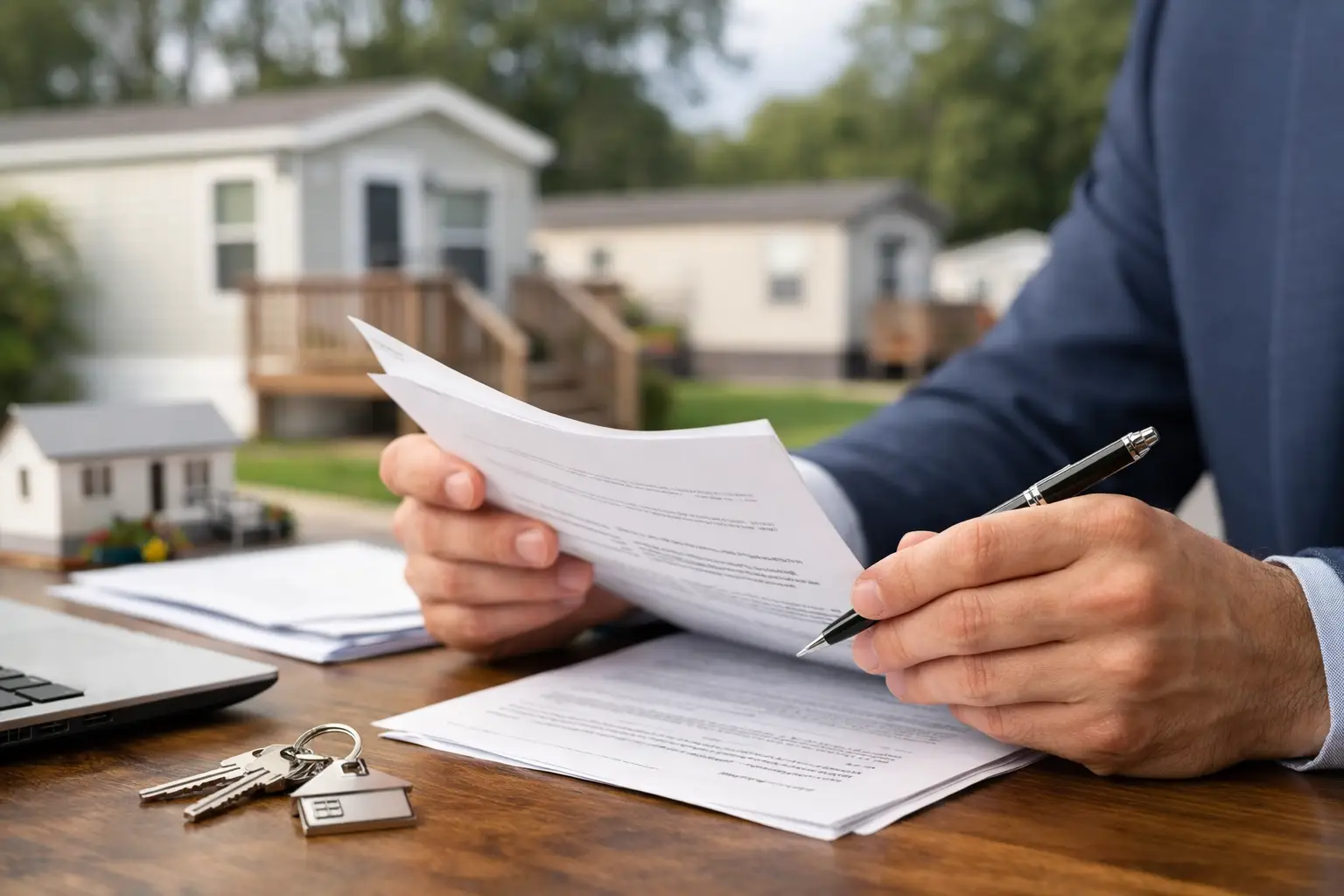
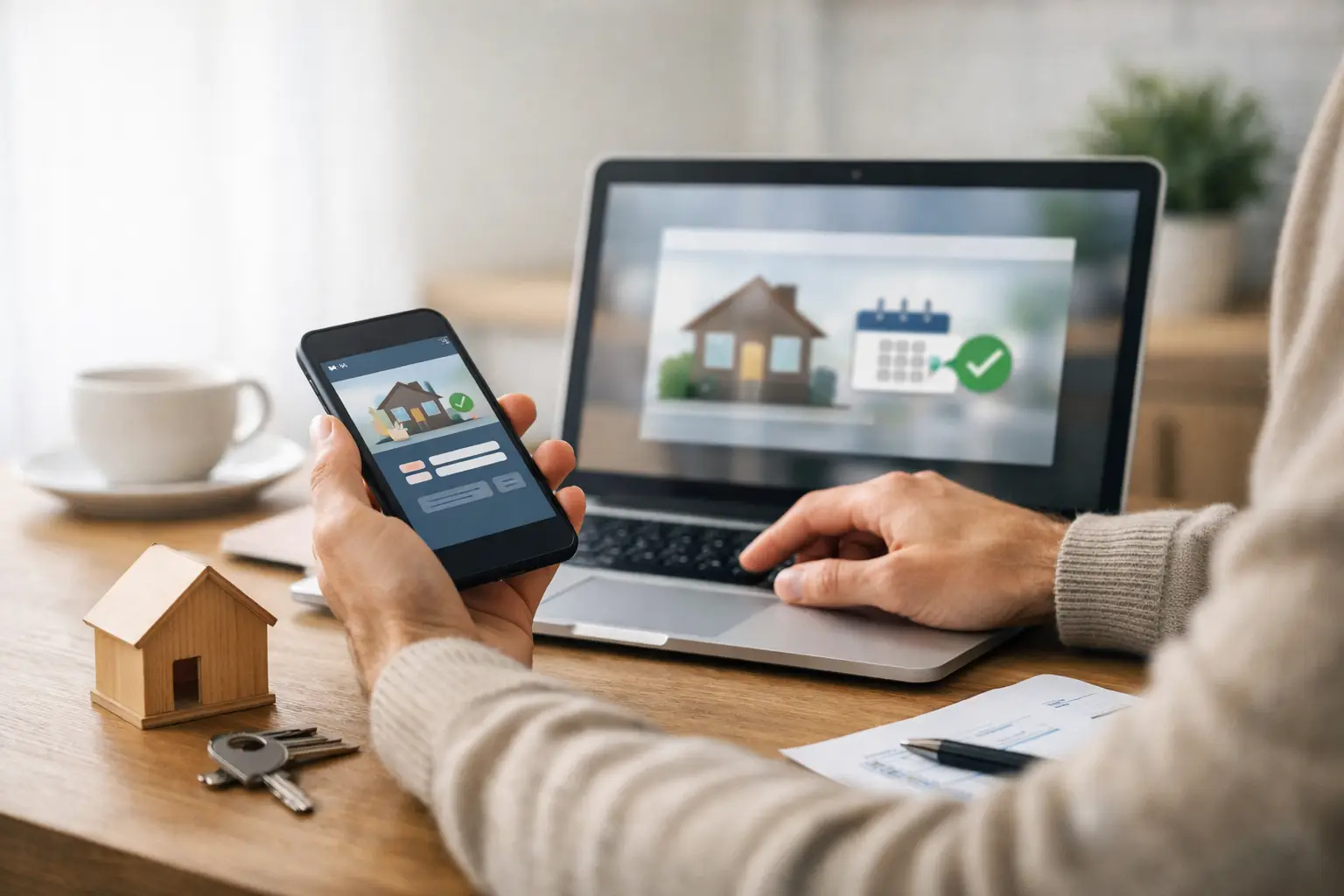
What changes is the process and how supported you feel. In communities that operate with a modern management model, you will often see streamlined applications, clear screening standards, and online tools for payments and service requests. That structure tends to reduce friction and reduce misunderstandings.
If you are buying, ask how resales work inside the community, whether there are home condition requirements, and what happens if you want to sell later. If you are renting, ask what maintenance is included, how work orders are handled, and how quickly emergencies are addressed.
If you already own a home and want to move it in, ask about age restrictions on homes, tie-down requirements, skirting expectations, and the approval timeline. Move-ins can be smooth, but they rarely happen on “just show up” terms in a well-managed neighborhood.
Safety, trust, and management presence
One of the biggest perception gaps in factory-built housing is the assumption that all communities are the same. They are not.
Management quality shows up in the little things: how the office communicates, whether signage is clear, whether common areas feel monitored, and whether residents seem comfortable. Ask who to contact after hours. Ask how community concerns are handled. Ask what the expectations are for resolving neighbor-to-neighbor issues.
A manufactured home community that is actively managed is typically trying to earn trust through consistency. That is why you may see more frequent property walks, clearer communication, and more visible upkeep.
If you are evaluating communities and want a reference point for what resident-centric management can look like, Medallion Communities operates manufactured home communities with an emphasis on belonging, property standards, and practical digital tools that make day-to-day tasks like paying rent and applying easier.
What to ask on a tour so you know what you are getting
You can learn a lot in a 20-minute walkthrough if you ask the right questions.
Start with the financials: what is the monthly lot rent, what does it include, and which utilities are separately billed. Then ask about stability: how are increases handled and how much notice is provided.
Next, ask about upkeep and accountability: how are maintenance requests submitted, what is the typical response time, and what improvements have been made in the last year. Finally, ask about standards: what are the rules on pets, parking, and exterior maintenance, and how are they enforced.
Notice the tone you receive in response. A community that respects residents will answer directly, without making you feel rushed or talked around.
Choosing the right fit
The better question is often not “Is this a park or a community?” It is “Does this place support the life I am trying to live?”
If you want predictable expectations, visible upkeep, and a neighborhood feel, a manufactured home community is often the better match. If your top priority is the lowest possible monthly cost and you are comfortable with fewer amenities or a wider range of home conditions, a traditional mobile home park might still work well.
Give yourself permission to be selective. You are not just choosing a lot. You are choosing your neighbors, your routines, your sense of security when you pull in after work, and the pride you feel when family visits.
End your search with one practical habit: trust what you see repeatedly, not what you are promised once. A place that feels cared for on an ordinary day is the place most likely to care for you after move-in.