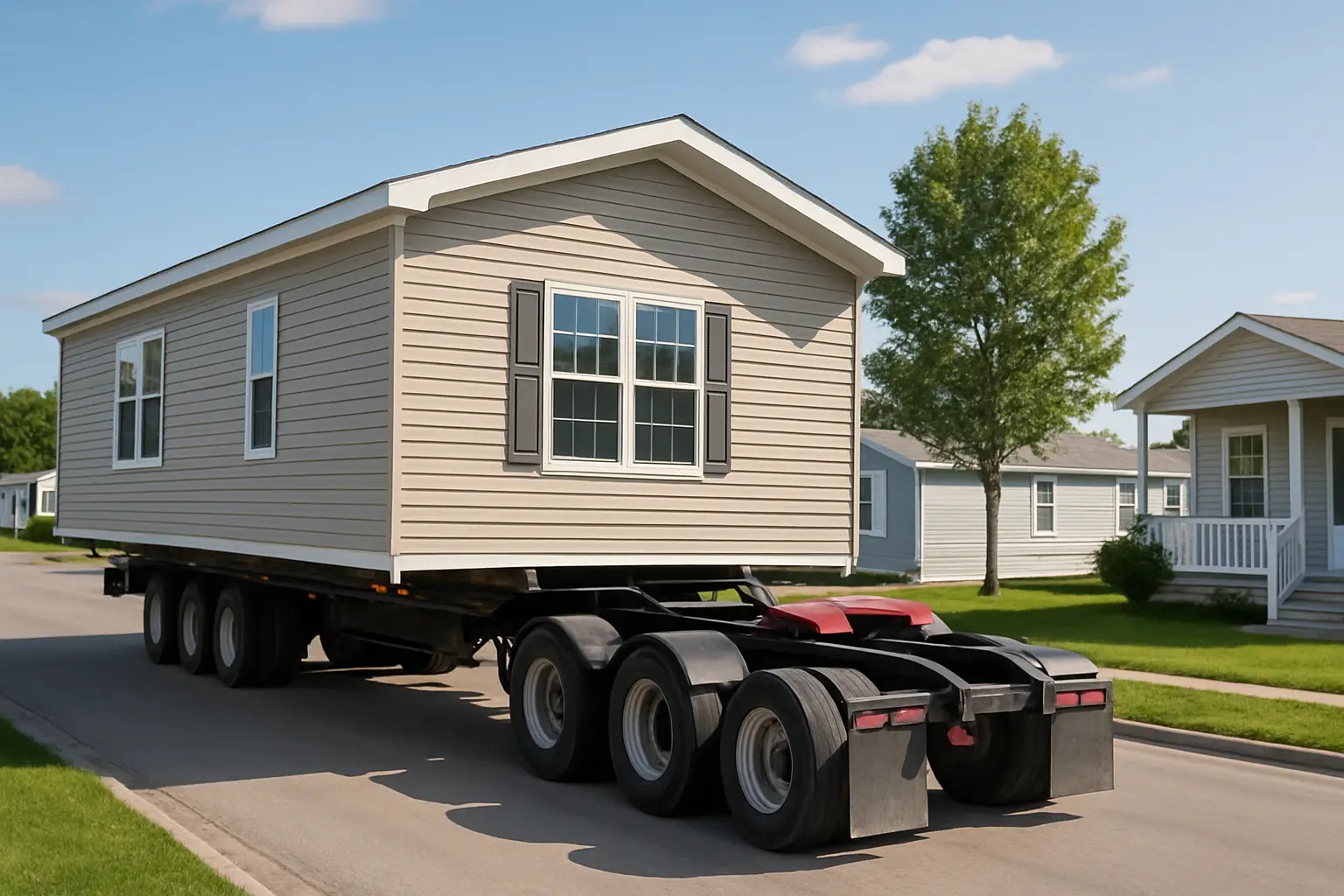
If you already own a manufactured home, the fastest way to feel “settled” again isn’t just getting it from Point A to Point B. It’s landing it on a lot where the streets are maintained, the rules are clear, and you can picture your normal life - parking where it should be, good lighting at night, neighbors who care, and a management team that answers.
If you’re thinking, “I want to move my manufactured home to a community,” you’re not alone. A community can offer predictable monthly lot rent, amenities you actually use, and a neighborhood feel that’s hard to recreate on a random parcel of land. But the process has real steps and real trade-offs. Here’s what to expect so you can plan with confidence.
First: make sure your home can be moved (and should be)
Not every manufactured home is a good candidate for relocation - even if it was built to be transported originally. Age, construction type, and condition matter.
A professional mover will look at the frame and running gear (axles, tires, hitch), the integrity of the roofline and walls, and whether the home has been modified in ways that complicate transport. Add-ons like porches, sunrooms, carports, skirting systems, and attached garages typically need to be removed and rebuilt. If you’ve done major interior renovations, the home may still be movable, but the mover may require extra bracing to reduce the risk of cracks and shifting.
This is also where the “it depends” comes in. Sometimes moving is the right financial choice because you love your home and just need a better location. Other times, the cost to move plus setup can get close to the cost of purchasing a different home already in the community. It’s worth pricing both paths before you commit.
Choosing the right community lot: look beyond the brochure
A well-run community feels different on day one. You see it in the curb appeal, the condition of the roads, and whether common areas are cared for.
When you’re evaluating a place to bring your home, pay attention to practical fit as much as the vibe. A lot can look great and still be a headache if it doesn’t match your home’s size or if the utility hookups require expensive upgrades.
Ask specific questions early: What home sizes are permitted on available lots? Are there set requirements for roof pitch, siding, skirting, or exterior condition? Is there a minimum age for homes being moved in? Many communities have standards designed to protect everyone’s property value and overall appearance. That’s a good thing - as long as it’s communicated clearly.
Also ask how the community handles everyday living. How are maintenance requests managed? How is parking handled? Are there quiet hours or pet guidelines? The goal isn’t perfection - it’s predictability. Clear rules and consistent upkeep are what transform a community from “a place to put a home” into a neighborhood.
The approval process: what communities typically require
Most communities require an application and a home approval before move-in. That can feel like extra paperwork, but it’s usually there to protect residents and ensure the property stays clean, safe, and cohesive.
Expect to provide information about the home (year, make/model, dimensions, photos) and sometimes an inspection report. Some communities review exterior photos and may request updates before approving the move, such as repairing siding, addressing roof issues, repainting, or replacing damaged steps.
On the household side, there’s often a standard resident application. It may include background screening, income verification, and identification checks, similar to renting an apartment. If you’re bringing a home you own, the community still needs to confirm who will live there and that the household meets community guidelines.
Timing matters here. Approval isn’t always same-day, and movers book out. Build a cushion into your schedule so you don’t pay extra storage or rescheduling fees.
What it costs to move a manufactured home to a community
Relocation costs are real, and they’re not just the mover’s quote. Your total budget usually includes transport, setup, and “make-ready” work on the destination lot.
Transport pricing can vary based on distance, home size (single-wide vs. double-wide), route complexity, escorts required by the state, and whether permits are needed. Then there’s insurance coverage during the move and potential costs for temporarily storing the home if the lot isn’t ready.
Setup costs often surprise people. You may need new piers, tie-downs/anchors, blocks, and re-leveling. Utilities may require connection fees or upgrades to meet current code. Steps, handrails, skirting, and landscaping can add up, especially if you want everything finished quickly.
Also consider “transition costs.” If you’re moving out of a previous community, you might owe notice fees or have rules about removing concrete pads, sheds, or fencing. If you’re moving from private land, you may need to restore the site or coordinate disconnects and inspections.
A good approach is to get a full-scope estimate in writing from your mover and your setup contractor, then ask the community what lot improvements are already in place. If the pad, driveway, and utility stubs are ready, that can significantly reduce your timeline and upfront spend.
The lot itself: site prep is where smooth moves are made
The best moves are planned from the ground up - literally.
Before your home arrives, the lot typically needs to be graded and stable, with a base that can support the home properly. Many communities have established lots with standard placements, but you still want to confirm the exact home position so doors, steps, parking, and utility connections line up.
Utilities are a major piece. You’ll want clarity on water, sewer, electric, and any other services. Ask what’s provided at the lot line versus what you’re responsible for from the lot line to the home. This is also where code compliance matters. Even if your home is older, the utility connections and installation often must meet current requirements.
Access is another overlooked factor. Can the transporter get the home into the community easily? Are there tight turns, low branches, narrow streets, or limited staging space? Communities that invest in road quality and infrastructure make move-in simpler, safer, and less stressful.
Moving day and installation: what the timeline can look like
Once permits and approvals are in place, the actual transport can be quick. Installation and finishing work are what take time.
After the home is set, it’s leveled, anchored, and secured. Then utilities are connected and inspected. If it’s a multi-section home, the crew will mate the halves, seal the marriage line, and complete roof and exterior finishing.
Inside, you should expect some touch-ups. Even with a careful move, minor drywall cracks, shifted doors, or flooring transitions can happen. Plan for a post-move punch list and give yourself time before hosting guests or packing your calendar. The goal is to feel comfortable, not rushed.
Living in a community: the trade-offs are worth naming
Community living is a trade: you gain neighborhood standards and shared amenities, and you agree to follow community rules.
For many homeowners, that’s exactly the point. Rules around property upkeep, pets, parking, and exterior appearance protect the overall feel of the neighborhood and help prevent the problems people associate with outdated stereotypes. You also benefit from professional management, organized communication, and a clearer path to resolving concerns.
The trade-off is that you’re not fully “on your own land” in the way you would be with private acreage. You’ll pay monthly lot rent, and you’ll need to follow community guidelines for improvements like fencing, sheds, or exterior paint colors. If you like structure and stability, that can be a relief. If you want total autonomy, it may feel restrictive.
A practical way to evaluate communities before you commit
When you’re deciding where to move, treat it like choosing a long-term neighborhood, not just an open lot.
Visit at different times of day. Ask how concerns are handled and how residents typically communicate with management. Look at lighting, road conditions, and how well the community maintains shared spaces. If you have kids, notice whether people actually use outdoor areas. If you work early or late hours, pay attention to parking flow and noise.
If you want a community that pairs attainable housing with visible upkeep and a resident-first approach, you can explore communities that accept move-ins through Medallion Communities and see what’s available by location.
Common mistakes that make moves harder than they need to be
Most headaches come from skipping sequence.
The biggest misstep is booking a mover before you have written community approval and a confirmed lot. The next is underestimating site prep - assuming utilities will “just connect” or that a driveway is optional. Another common issue is not budgeting for removal and rebuild of exterior features like decks and skirting.
Finally, don’t overlook communication. Your mover, setup crew, utility providers, and the community office all need to be aligned on dates and access. A simple shared timeline can prevent days of delays.
When moving your home isn’t the best option
Sometimes the smartest choice is to sell the home where it is and move into a home already placed in the community. That can reduce risk, eliminate transport wear-and-tear, and shorten your timeline.
This option can be especially attractive if your home is older, if the move route is complicated, or if the community has homes available that meet your needs without the extra coordination. There’s no “right” answer - just the one that gets you to stable, comfortable living with the fewest surprises.
If you’re ready to move your manufactured home to a community, think of the process as building a landing spot, not just arranging a haul. The best outcome isn’t simply arriving - it’s pulling into your new place, turning the key, and feeling like you belong there.