You can usually tell within five minutes of driving through a community whether it feels like home. The streets are either cared for or they are not. The lighting either makes you feel comfortable coming home after work or it does not. And the people you pass either look like they belong there - because they do - or like they are bracing for the next headache.
If you are typing “manufactured home community near me” into your phone, you are probably not looking for a gimmick. You are looking for attainable monthly housing costs, a neighborhood feel, and a place where management actually answers when something needs attention. Here is how to search in a way that protects your budget and raises your odds of landing somewhere you will still like a year from now.
What “near me” should really mean
“Near me” is more than miles. It is commute time at the hours you actually drive. It is school drop-off routes, grocery and pharmacy access, and whether you can get to work when there is an accident on the highway.
Before you fall in love with a price, decide your non-negotiable radius in minutes, not distance. A community 12 miles away can be a 25-minute drive or a 55-minute drive depending on traffic patterns. When people feel stuck in a location, they tend to blame the housing itself when the real issue is the day-to-day logistics.
Also consider what “near me” means for your support system. If you rely on family for childcare, or you are helping a parent, proximity matters in a way that does not show up on a listing.
Start with the two paths: rent a home or bring your own
Manufactured home communities can work for different life stages, but you will get better results if you pick your path early.
If you want a home for rent, your search is mainly about monthly payment, the condition of the home, and how easy it is to apply and move in. Renting can be the right call if you want predictable costs without taking on repairs right away or you are relocating and want flexibility.
If you are shopping for a home to buy inside a community, you are thinking longer-term. You will want to understand how the community maintains standards, how stable the neighborhood feels, and what rules protect your investment.
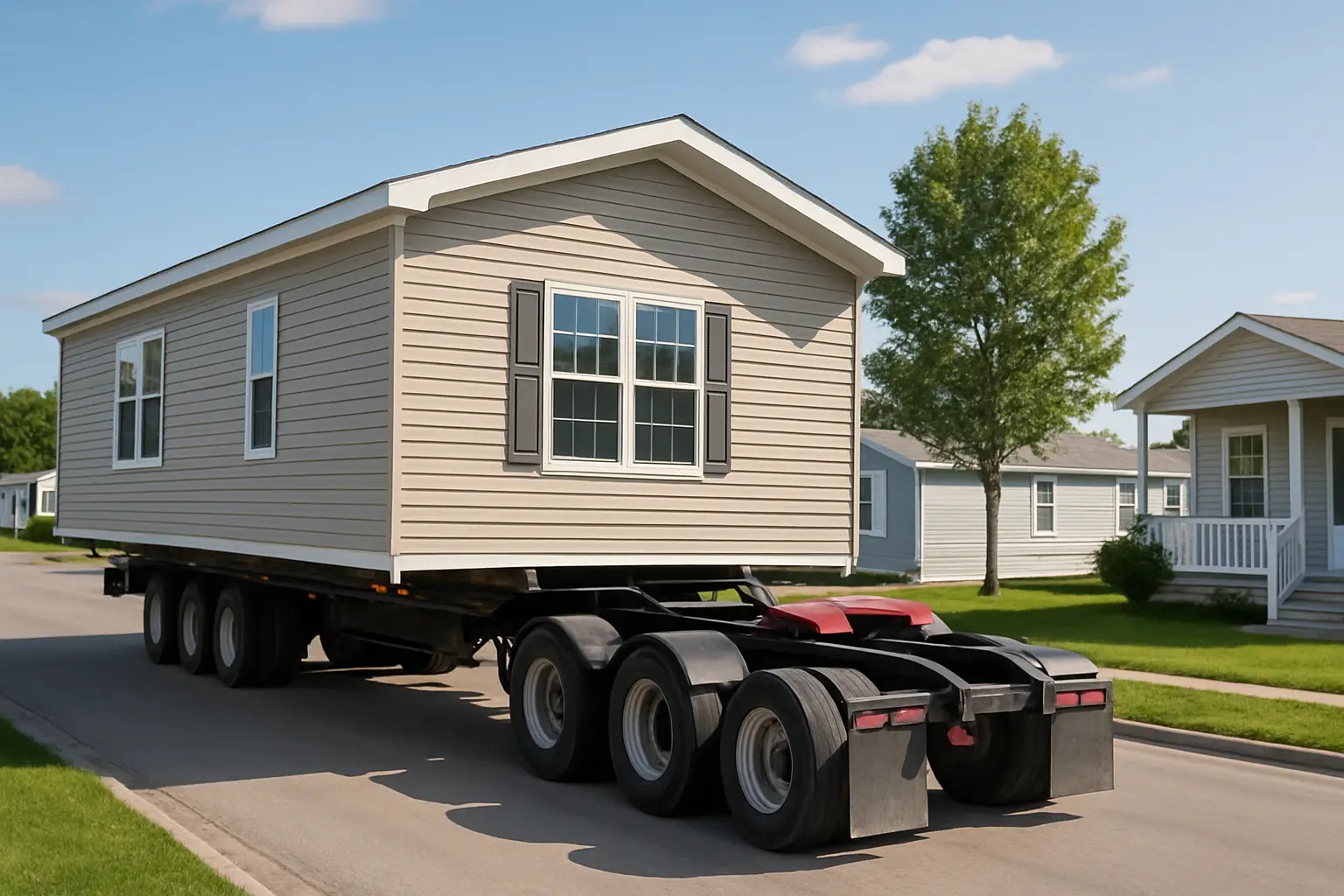
If you already own a manufactured home and you want to move it into a community, the priorities shift again. You will need to confirm lot availability, home requirements, and the timeline and logistics for moving and setting the home. A well-run community should be clear and organized about this process, not vague.
The real cost: what you pay monthly and what you risk later
People love to compare sticker prices, but the smarter comparison is total monthly housing cost plus the risk of unpleasant surprises.
Ask for a clear view of what is included in the monthly amount and what is not. Depending on the community and the home, you may be responsible for utilities, trash service, lawn care, or other items. None of that is automatically bad. The issue is confusion. A community that communicates these details cleanly tends to manage the rest of the resident experience the same way.
Also ask how often rent increases are evaluated and how residents are notified. It depends by location and lease terms, but transparency is the difference between “I can plan my year” and “I am nervous every month.”
If you are buying, ask about typical ongoing expenses beyond your loan payment, including site fees, utilities, and maintenance. Manufactured homes can be an attainable path to homeownership, but only when you understand the full picture.
What separates a community you will love from one you will tolerate
A manufactured home community should feel like a neighborhood, not a parking lot. That comes down to management standards, infrastructure, and the culture residents experience day to day.
Start with the basics you can see on a visit. Are the roads in good shape? Are common areas cared for? Does lighting make the community feel safe and welcoming at night? Are homes and lots generally maintained, suggesting that standards are consistent and enforced respectfully?
Then look for the signals you cannot see in a quick drive-through.
Management responsiveness is not a “nice to have”
The fastest way for a community to lose trust is slow, inconsistent communication. When you tour, pay attention to how your questions are handled. Do you get direct answers about pricing, rules, and application steps? Or do you feel pushed along without details?
Ask current residents what happens when they report an issue. Not every issue can be fixed instantly, and that is real life. What matters is whether there is a process, a timeline, and follow-through.
Standards protect everyone’s quality of life
Some shoppers hear “community rules” and worry about restrictions. In a well-managed neighborhood, rules are what keep the community clean, stable, and pleasant. Parking guidelines, pet policies, and property upkeep expectations exist so one household’s choices do not become everyone else’s problem.
It does depend on your lifestyle. If you have a work truck, a trailer, or multiple vehicles, ask early about parking. If you have a large dog, confirm pet rules before you apply. The best fit is the one that matches your real life, not the one you hope will bend later.
Amenities matter, but the vibe matters more
Clubhouses, playgrounds, and community events can make a real difference, especially for families and people who want connection. But the bigger question is whether the community feels inclusive and cared for. Amenities without upkeep turn into frustration. A simpler community with strong management and a friendly culture often wins long-term.
How to evaluate a manufactured home community near me in one visit
You do not need a perfect checklist to make a smart decision. You need a few targeted observations and questions.
Visit twice if you can: once during the day and once after dark. You are not just evaluating a home. You are evaluating how it feels to come home.
When you arrive, notice how the entrance is maintained and whether signage and speed limits are clear. Inside the community, look at road conditions, drainage after rain, and whether common areas look actively maintained rather than “fixed up for show.”
During your tour or call, ask how maintenance requests are handled, what the typical move-in timeline looks like, and what documentation is needed for an application. If there is an online portal for applications and payments, that can be a major quality-of-life upgrade because it reduces friction and keeps everything documented.
Finally, ask about planned improvements. Infrastructure upgrades like resurfaced streets, improved lighting, and property enhancements are not just cosmetic. They are signals that ownership is reinvesting in the community.
Searching smarter online (without wasting weekends)
Online search can either save you time or send you in circles. When you look for a “manufactured home community near me,” focus on three things: location clarity, pricing transparency, and the ability to take action.
A strong community operator will make it easy to search by area, filter homes for rent versus sale, and understand the next step. If you can view available homes, see price ranges, and apply without chasing down paperwork, that usually reflects a management style built around responsiveness.
For example, you can search communities and home availability through Medallion Communities if you want a streamlined way to compare locations and take the next step online.
If you are bringing your own home, ask these questions upfront
Moving a manufactured home is a project, and the community you choose should be organized enough to make it manageable.
Confirm whether the community has open lots that fit your home’s size and setup requirements. Ask what condition standards apply, whether inspections are required, and what the approval timeline looks like. You will also want to understand utility hookups, driveway requirements, and any steps that must happen before the home arrives.
It is fair to ask who coordinates what. In some cases you will manage contractors directly. In others, the community may have preferred processes. Either way, clear expectations prevent delays and surprise costs.
Trade-offs to be honest about
Manufactured home community living is not one-size-fits-all, and being realistic helps you choose well.
If you value absolute privacy and do not want to hear neighbors or see activity, a traditional rural property may fit better. If you want an affordable home base with a neighborhood feel, lighting, maintained roads, and a team responsible for community standards, a well-managed manufactured home community can be the better match.
Also, affordability comes with responsibility to read the lease, understand community policies, and choose a place with consistent upkeep. The stereotype that manufactured home communities are automatically poorly maintained is outdated in many markets, but you still need to evaluate management quality because it is the true difference-maker.
The decision that tends to feel best later
The best “manufactured home community near me” is rarely the one with the lowest advertised number. It is the one where the monthly cost is understandable, the rules are clear, the property looks cared for, and you can picture your normal Tuesday happening there without stress.
If you leave a tour thinking, “They have their act together, and I would feel comfortable here,” trust that signal. Housing is not just a transaction. It is where your routines settle, where your kids sleep, where your workdays begin and end. Choose the community that makes everyday life feel lighter, not heavier.