You can usually tell within five minutes of arriving whether a community is truly cared for. The streetlights work. The roads feel solid under your tires. Yards are tidy without looking sterile. And when you stop to read the sign, it feels less like a “park” and more like a neighborhood.
That difference matters when you are considering manufactured homes for rent in communities. Renting a manufactured home is not just about square footage and a monthly payment. It is about the day-to-day experience of living in a place with shared standards, shared spaces, and a management team that either stays on top of things or lets small problems stack up.
What “manufactured homes for rent in communities” really means
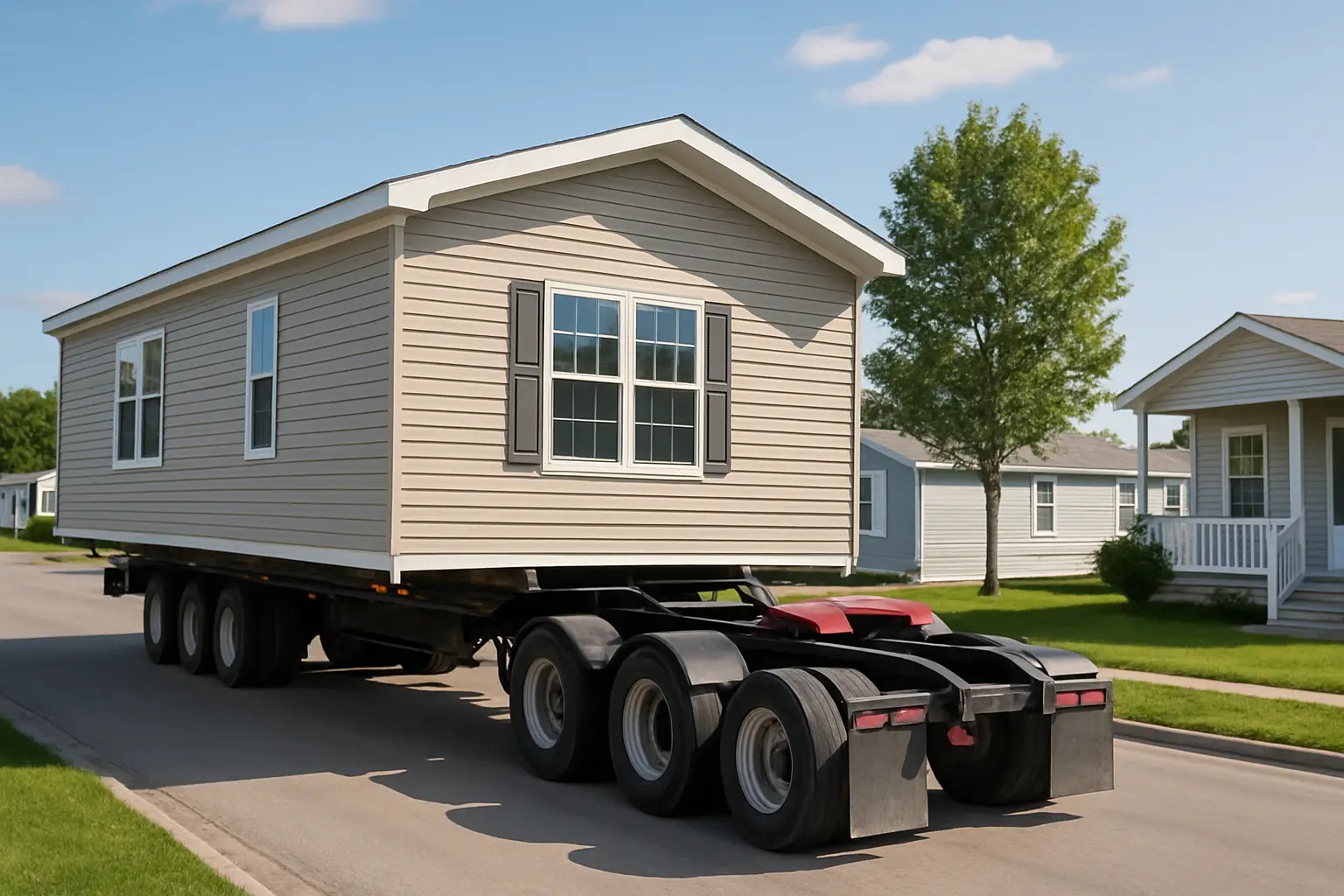
A manufactured home is a factory-built home constructed to federal HUD standards, then delivered to a home site. When you rent one inside a manufactured home community, you are typically renting the home itself, located on a lot within a neighborhood that has its own rules, amenities, and common-area maintenance.
Depending on the community, your monthly payment may include different pieces. Some rentals are structured as an all-in monthly rent for the home and site. Others may separate items like utilities. The important part is that you are not renting an isolated unit on a random parcel of land. You are choosing a community environment with expectations about upkeep, noise, pets, and shared safety.
Why renters are choosing this option now
Many renters want stability without jumping straight into a mortgage. Manufactured home rentals can offer that middle ground. You often get more space than an apartment, a more residential feel, and a place where neighbors tend to know each other - while keeping the flexibility of renting.
There is also a practical side. Apartment living can come with rising rents, crowded parking, and limited outdoor space. A manufactured home rental may give you features that feel “single-family,” like a driveway, a yard, or room for a small patio setup.
The trade-off is that community living comes with standards. For many residents, that is a benefit, not a burden - but it is worth understanding upfront.
The costs to ask about (and why details matter)
When people compare rental options, the monthly number is the headline. The real comparison is the full monthly picture and how predictable it stays.
Start by asking what is included in rent. Some communities include trash service or lawn care. Others do not. Utilities can also vary: you may pay electric, water, sewer, gas, and internet separately, just like other rentals.
Also ask about deposits, application fees, pet fees, and any monthly pet rent. These are normal in rental housing, but you want them spelled out clearly so you are not surprised.
Finally, ask how rent increases are handled. No one can promise rent never changes, but a well-run community can explain the process, timing, and typical notice period in plain language.
Amenities are nice - management is the real feature
Clubhouses, playgrounds, and community events can make a place feel welcoming. But the most valuable “amenity” is consistent property management.
Look for signs that the community is actively maintained. Are the common areas clean? Do the roads and sidewalks look cared for? Is there visible attention to lighting, signage, and landscaping? Those details usually reflect how quickly maintenance requests are handled and how seriously rules are enforced.
It is also worth asking how service requests work. Many professionally managed communities now offer online tools for payments and maintenance, which can be a big quality-of-life improvement when you are juggling work and family schedules.
Community rules: what they are and why they exist
Rules can sound intimidating until you realize what they protect: the livability of the neighborhood and the value of the homes.
Most communities have guidelines around exterior upkeep, parking, noise, pets, and sometimes home improvements like sheds, fencing, or exterior décor. The goal is not to micromanage your life. The goal is to prevent the “anything goes” feel that gives manufactured housing an unfair reputation.
If you are the kind of renter who appreciates clean streets, respectful neighbors, and a sense of order, you will likely find that reasonable community standards are a positive.
If you prefer total freedom to store a trailer on the lawn or run loud projects at all hours, a community with strong standards may not be the best fit. That is not a judgment. It is simply a lifestyle match.
Safety and peace of mind: what to look for on a tour
No neighborhood can promise perfection, but you can absolutely evaluate whether a community is designed and managed with safety in mind.
Pay attention to lighting at entrances and along main roads. Notice whether there is clear traffic flow and posted speed limits. Look at how mail areas, dumpsters, and shared spaces are maintained - those are places where problems show up quickly if management is disengaged.
Talk to a resident if you can. A quick, real-world answer about how the community responds to issues will tell you more than any brochure.
Choosing the right home: layout, condition, and livability
Manufactured homes come in different sizes and layouts, from compact single-section homes to larger multi-section options. When you tour a rental, think beyond the initial impression.
Walk through like you live there. Is there enough storage for your routine? Does the kitchen layout make sense for your cooking habits? Are the bedrooms positioned in a way that works for kids, roommates, or a home office?
Condition matters just as much. Check flooring transitions, cabinet alignment, window seals, and the general feel of the home. A well-maintained manufactured home should feel solid, comfortable, and straightforward to keep clean.
Also ask what is responsible for what. In rentals, you want clarity on maintenance: what the community handles, what the resident handles, and how quickly urgent issues are addressed.
Application and approval: what “smooth” should look like
A good rental process feels organized. You should know what documentation is needed, how long decisions typically take, and who to contact with questions.
Many communities use an online application flow. That can be helpful because it reduces delays and keeps everything in one place. If a community offers a resident portal for payments and requests, that is often a sign of a more modern operation that values transparency and responsiveness.
You should also expect a clear lease. Read it carefully, especially around renewals, rules, maintenance responsibilities, and fees. If something is confusing, ask until it is not.
“Rent now, buy later” and other paths that can work
One reason manufactured home community living appeals to a wide range of households is flexibility.
Some renters simply want a comfortable, attainable place to live long-term. Others use renting as a bridge: they move into a community, get to know the neighborhood, and then consider purchasing a home when the timing is right.
There is also another path that surprises people: if you already own a manufactured home, some communities allow you to move it into an available homesite. That option can be a strong fit for homeowners who want the benefits of a well-managed neighborhood without giving up the home they already have.
How to compare communities without getting overwhelmed
When you are touring multiple places, it helps to keep your evaluation grounded in the things that shape your daily life.
Focus on the basics first: location, commute, school options if relevant, and the full monthly cost. Then evaluate the community experience: cleanliness, rule clarity, resident vibe, and management responsiveness.
If two communities are close in price, the better-managed one is usually the better value. A slightly lower rent can lose its appeal fast if maintenance drags, standards are inconsistent, or common areas feel neglected.
If you want a more streamlined search experience, some operators make it easy to filter homes by location and price, view available rentals, and apply online. For example, Medallion Communities organizes homes and communities with a resident-first approach, pairing attainable housing with clear standards, visible upkeep, and practical digital tools for applying and paying rent.
Questions to ask before you sign
You do not need to interrogate anyone, but you should feel confident about the basics. Ask who handles maintenance and how requests are submitted. Ask what is included in rent and what is not. Confirm pet policies in writing if you have animals. And ask how community rules are communicated and enforced.
If the answers feel evasive or inconsistent, treat that as information. The leasing experience is often a preview of what living there will feel like.
A manufactured home community can be a place where you breathe a little easier - more space, more neighborhood feel, and a management team that protects the quality of life everyone shares. Take your time, ask direct questions, and choose the place that feels like it is built for real living, not just renting.