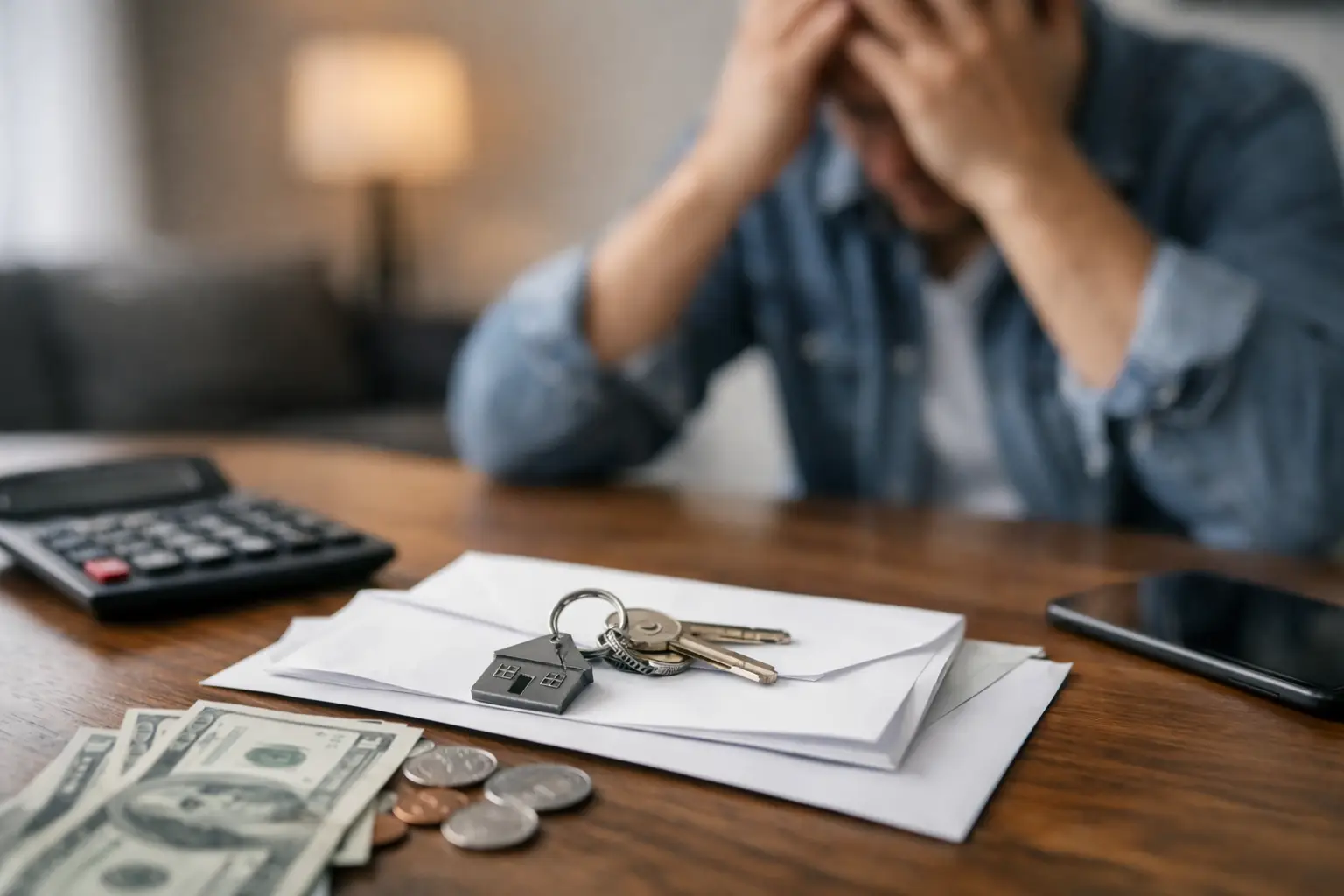
Rent is due on one date, life happens on another. A delayed paycheck, a car repair, a medical bill, or a missed reminder can put you in a stressful spot fast. If you are wondering what happens if rent payment is late, the short answer is this: the outcome depends on your lease, your state law, and how quickly you communicate with your property manager.
That uncertainty is what makes late rent feel so heavy. Most renters are not trying to avoid payment. They are trying to catch up without losing housing stability. The good news is that a late payment does not always turn into the worst-case scenario. But it can escalate if it is ignored.
What happens if rent payment is late?
In most cases, the process starts with a late fee or notice, not an immediate eviction. Many leases state a rent due date, any grace period, the amount of the late fee, and what happens if the balance remains unpaid. Some communities charge a flat fee. Others charge a daily fee after the due date. If your lease includes these terms, they are usually enforceable as long as they comply with state and local law.
A grace period can help, but it should not be assumed. Some renters think a few days late is automatically allowed. That is not always true. In some leases, rent is late the day after it is due. In others, management may allow a short grace period before charging a fee. The only reliable answer is in the lease you signed.
If the payment still is not made, management may send a formal notice. Depending on where you live, that notice may be a pay-or-quit notice, a demand for payment, or another legally required warning. This is the point where the issue shifts from a missed payment to a lease enforcement matter. It is still often fixable, but the clock matters.
The usual timeline after rent is late
The first few days are usually about fees and communication. If you pay rent online, the resident portal may show the balance, any added charges, and whether the payment is still pending. That can be helpful if the issue came from a processing delay or a card or bank problem rather than a lack of funds.
After that, the next step is usually written notice. Property managers need a clear record of what is owed and when it must be paid. That protects the community, but it also protects residents by making expectations clear. Good management does not leave renters guessing.
If the balance remains unpaid after the notice period ends, the landlord may begin the eviction process allowed under state law. This does not mean you are removed overnight. Eviction is a legal process, and in most states it requires filing in court, serving paperwork, and obtaining a judgment before a physical move-out can be enforced. Still, once the issue reaches court, the financial and emotional cost usually grows.
Late fees can add up quickly
A single late fee may not seem overwhelming, but repeated late payments can become expensive. If your lease allows daily charges or additional notice fees where permitted by law, the total balance can rise faster than expected. That makes catching up harder the longer you wait.
There is also a practical issue beyond the fee itself. A partial payment may not solve the problem if your lease requires the full balance, including late fees, before the account is considered current. Some landlords may accept partial payment, while others may not, especially once a formal notice has been issued. It depends on the lease and the laws in your area.
Can late rent affect your rental history?
Yes, it can. A one-time late payment handled quickly may stay between you and your property manager. But if the account is sent to collections, reported through a rent reporting service, or becomes part of an eviction filing, it may affect future housing applications.
This is one reason communication matters so much. Renters often focus on the immediate problem, which makes sense. But housing history matters later too. A clean record helps when you are renewing, moving, or applying for another home.
What to do immediately if you know rent will be late
The best move is to act before the due date, or as soon as you realize there is a problem. Do not wait for the notice to arrive. Reach out to the property manager, explain the situation briefly and clearly, and ask what options may be available. You do not need a long story. What matters most is honesty, timing, and a realistic plan.
If you can pay part now and the rest on a specific date, say that. If your paycheck hits in three days, say that. If a banking issue caused the problem, share that too. Management teams are far more likely to work constructively with residents who communicate early than with residents who go silent.
This is especially true in communities built around long-term stability and respect. At Medallion Communities, for example, the resident experience is designed around clear tools and responsive management because stable housing starts with clear communication. That does not erase lease obligations, but it can make problem-solving faster and less stressful.
Common reasons late rent becomes a bigger problem
Sometimes the real issue is not the missed date. It is what happens after. Rent problems usually grow when the resident assumes there is more time than there is, makes a payment method error, or avoids contact because the situation feels embarrassing.
Online payments can reduce missed deadlines, but they do not remove them completely. A failed ACH payment, expired card, or insufficient funds notice can leave you thinking rent was handled when it was not. Always confirm the payment status and save any confirmation number or receipt.
Another issue is relying on verbal assumptions. If a staff member says they will note your file, that helps, but it is better to follow up in writing through email or the resident portal when possible. Clear records matter for both sides.
What if you cannot pay the full amount?
This is where the answer becomes very situation-specific. Some landlords may allow a short payment arrangement. Others may have strict policies that require the full amount by a stated deadline. In some states, accepting a partial payment can affect the legal timeline for eviction, so management may be limited in what they can offer.
That can feel frustrating, but it is not always a sign of inflexibility. Well-run communities have to apply standards consistently. Residents count on that consistency because it supports fairness, upkeep, and long-term community health.
If you cannot pay in full, ask what is possible instead of guessing. You may be able to request a short extension, identify the total amount needed to stop further action, or understand the exact deadline you are facing. Even when the answer is not what you hoped, clarity is better than uncertainty.
What happens if late rent leads to eviction?
Eviction is usually the last stage, not the first. But once it begins, the stakes change. You may owe rent, late fees, court costs, and sometimes attorney fees if allowed by the lease and local law. You may also have an eviction filing on your record, even if you move out before the final step.
That is why speed matters. If you receive a formal notice or court papers, read them carefully and respond right away. Do not assume the matter will resolve itself. Check the dates, gather your payment records, and follow the instructions provided. If state law gives you a right to cure the default by paying within a certain window, you need to know that immediately.
How to reduce the chance of paying late again
The most reliable fix is building a payment routine that matches your income schedule. If your paycheck timing makes the due date difficult every month, it may help to set aside rent in portions each pay period instead of waiting until the last minute. Auto-pay can help too, but only if you are sure funds will be there.
It also helps to treat rent as the first bill, not the last. Housing stability affects everything else, from school and work to transportation and peace of mind. A community that is clean, well-managed, and invested in residents works best when both sides can count on timely follow-through.
Being late on rent is stressful, but it does not always define your housing future. What makes the biggest difference is how quickly you respond, how clearly you communicate, and how well you understand your lease before a short-term setback turns into a long-term problem.