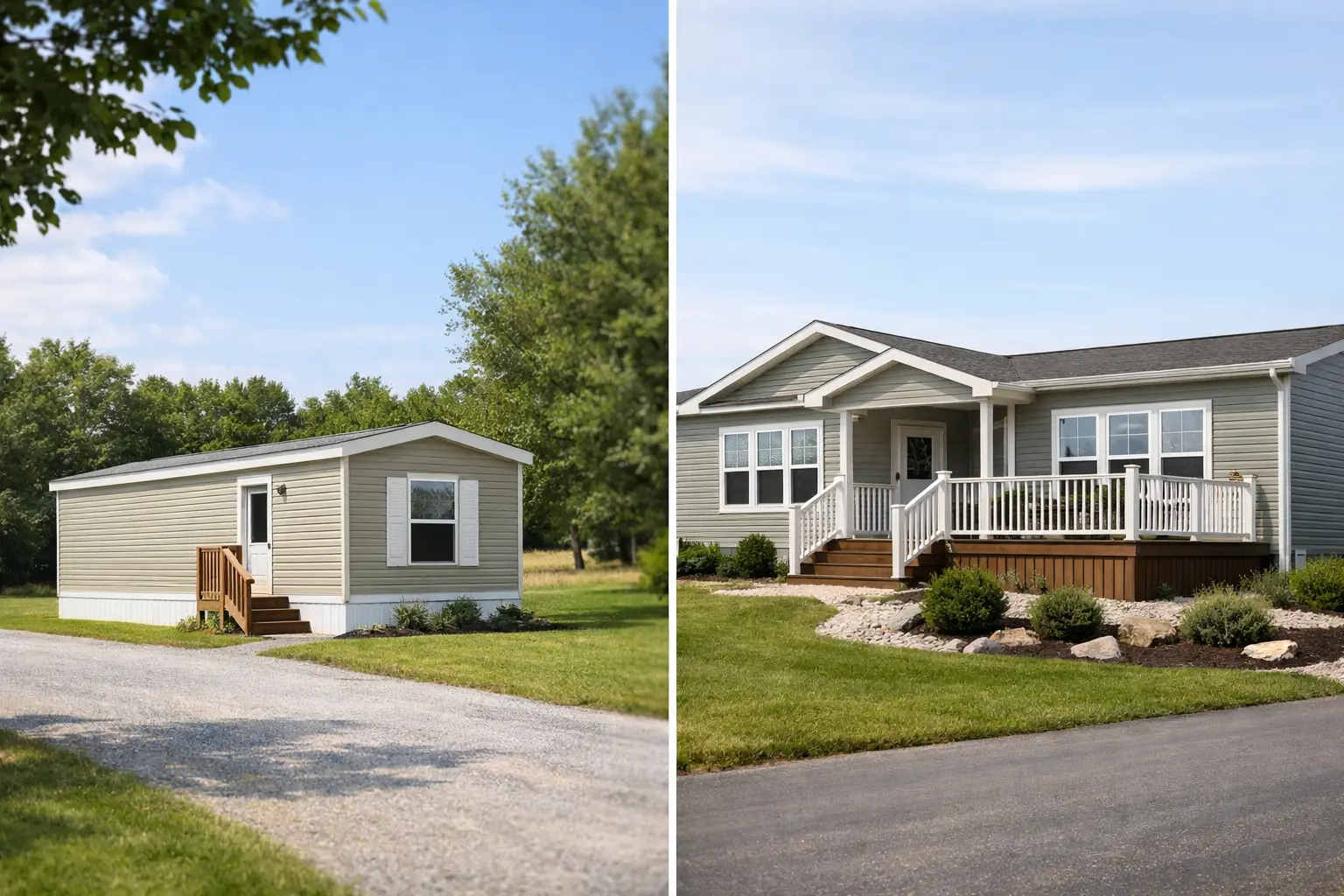
Walking into a leasing office without a plan is how people end up surprised by fees, rules, or move-in timelines they did not see coming. A good tour should leave you feeling clearer, not more confused. The right questions help you compare communities fairly and find a place that fits your budget, routine, and sense of home.
For renters and buyers considering a manufactured home community, that matters even more. You are not only choosing a home. You are choosing management, upkeep, neighborhood standards, and the day-to-day experience of living in a community. That is why the best questions for leasing office conversations go beyond square footage and monthly rent.
Why the best questions for leasing office visits matter
A polished model home can make a strong first impression, but long-term satisfaction usually comes down to practical details. How quickly does management respond? What is included in the monthly cost? Are the streets well maintained? Are community standards enforced consistently and respectfully?
Those answers shape your living experience far more than a staged kitchen counter. Asking thoughtful questions also shows the leasing team what you care about. In many cases, that leads to a more honest conversation about fit, availability, and next steps.
Start with the monthly cost, not just the advertised price
One of the most useful questions is also the most basic: What will I actually pay each month? Advertised pricing is a starting point, not always the full picture. Ask the leasing office to walk you through rent or lot rent, utilities, deposits, application fees, pet fees, and any recurring charges.
If you are renting a home, ask whether water, sewer, trash, or lawn care are included. If you are buying a manufactured home in a community, ask about lot rent, community fees, and any setup or closing costs. If you already own a home and want to move it into the community, ask what site-prep costs or utility connection costs may apply.
This is also the moment to ask whether rates can change at renewal and how much notice residents typically receive. Affordable housing works best when costs are predictable.
Ask how the application and approval process works
A lot of housing frustration comes from timing. You may love a home, but if the approval process takes longer than your move-out date, that can become a problem fast. Ask how long applications usually take, what documentation is required, and whether the office can explain the screening criteria upfront.
You do not need to ask for private internal standards, but it is reasonable to ask what factors are considered, such as income, rental history, background checks, or credit. If there is flexibility in some areas, the team may tell you. If there is not, clear expectations save everyone time.
Also ask what could delay approval. Missing pay stubs, incomplete IDs, and slow employer verification are common hold-ups. A strong leasing office should be able to tell you how to avoid them.
Get specific about maintenance and management responsiveness
One of the best questions for leasing office staff is simple: How does maintenance work here? Ask how residents submit requests, how emergency maintenance is handled after hours, and what the average response time looks like for routine issues.
Then take it one step further. Ask who manages the community day to day and whether there is on-site staff. In a well-run community, you should be able to understand who to contact, how issues get tracked, and what kind of follow-through to expect.
This is especially important in community living. Good management is not just about fixing a sink. It is about property standards, lighting, road upkeep, common areas, and how consistently concerns are addressed. A clean, cared-for neighborhood usually reflects attentive management.
Understand the rules before you sign
Every community has standards, and that is not a bad thing. In fact, clear rules often protect quality of life. But you want to know them before you commit, not after move-in.
Ask about pet policies, parking rules, guest limits, quiet hours, and exterior maintenance expectations. If you are looking at a manufactured home community, ask whether there are guidelines for skirting, sheds, landscaping, fencing, or outdoor storage. If you own your home and plan to move it in, ask about age restrictions on homes, inspection requirements, and setup standards.
The key here is not to look for a place with no rules. It is to find a community where the rules are reasonable, communicated clearly, and enforced fairly.
Ask about safety in a practical way
Most leasing offices will be careful about how they answer safety questions, and that is understandable. Instead of asking for guarantees, ask practical questions that give you a real picture of the environment.
You can ask whether the community has street lighting, how common areas are maintained, whether management addresses unauthorized vehicles, and how residents report concerns. You can also ask what steps the community takes to support a clean, orderly neighborhood.
This approach often tells you more than a broad question like Is this area safe? A well-managed community should be able to speak confidently about upkeep, visibility, responsiveness, and standards.
Talk about the neighborhood experience, not just the home
A home can be affordable and still feel like the wrong fit if the community does not match your lifestyle. Ask what residents value most about living there. Ask whether there are common amenities, shared spaces, or community events. If you have children, ask about nearby schools, play areas, and how families tend to use the neighborhood. If you work long hours, ask about parking convenience and online payment options.
This is where the conversation becomes more personal. You are trying to understand whether the place feels stable, respectful, and welcoming. In communities like those managed by Medallion Communities, the goal is not just to provide housing, but to support a neighborhood people feel good coming home to.
Questions for renters, buyers, and move-in homeowners
Your situation changes what matters most, so tailor your questions.
If you are renting, ask how lease renewals work, whether there are transfer options within the portfolio, and what the move-in date realistically looks like. You should also ask what condition the home will be in at move-in and whether there will be a documented inspection.
If you are buying, ask about financing options, warranties, title and closing steps, and what responsibilities fall on the homeowner versus community management. Ownership can bring more stability, but it also comes with different obligations.
If you already own a manufactured home and want to bring it into a community, ask what homes qualify, what utility hookups are available, whether pads are ready, and what permits or transport coordination you will need. This process is more specialized, so detailed answers matter.
Watch how they answer, not only what they say
A leasing office does not need to have every answer instantly, but they should be organized, respectful, and transparent. Pay attention to whether they explain things clearly or stay vague. Notice whether they seem comfortable discussing fees, timelines, and rules. Strong communities usually do not need to dodge basic questions.
It is also worth asking whether you can review the lease, community guidelines, or sample move-in costs before making a decision. A professional team should be willing to help you understand the commitment you are considering.
A practical list of questions to bring with you
If you want a short list to keep on your phone, these are some of the best questions for leasing office appointments:
- What is the full monthly cost, including all recurring fees?
- What deposits and move-in costs should I expect?
- What utilities or services are included?
- How long does approval usually take?
- What documents do I need to apply?
- How are maintenance requests submitted and handled?
- Is there on-site management or maintenance staff?
- What are the pet, parking, and guest policies?
- What community standards should I know before moving in?
- What amenities or shared spaces are available?
- What is the lease term, and how do renewals work?
- If I own my home, what are the requirements to move it into the community?
That list is not about being difficult. It is about making a confident decision with fewer surprises later.
The right question is really this: Can I see myself living here?
At some point, the conversation stops being about paperwork and starts being about peace of mind. Can you picture your routine working here? Does the property feel cared for? Does management sound attentive? Do the costs make sense for your household without stretching you too thin?
The best leasing office experience should help you answer those questions honestly. When a community values belonging, clear communication, and everyday livability, you can feel the difference in the details. Ask the smart questions, trust the answers that are specific, and give yourself room to choose a place that feels steady from day one.