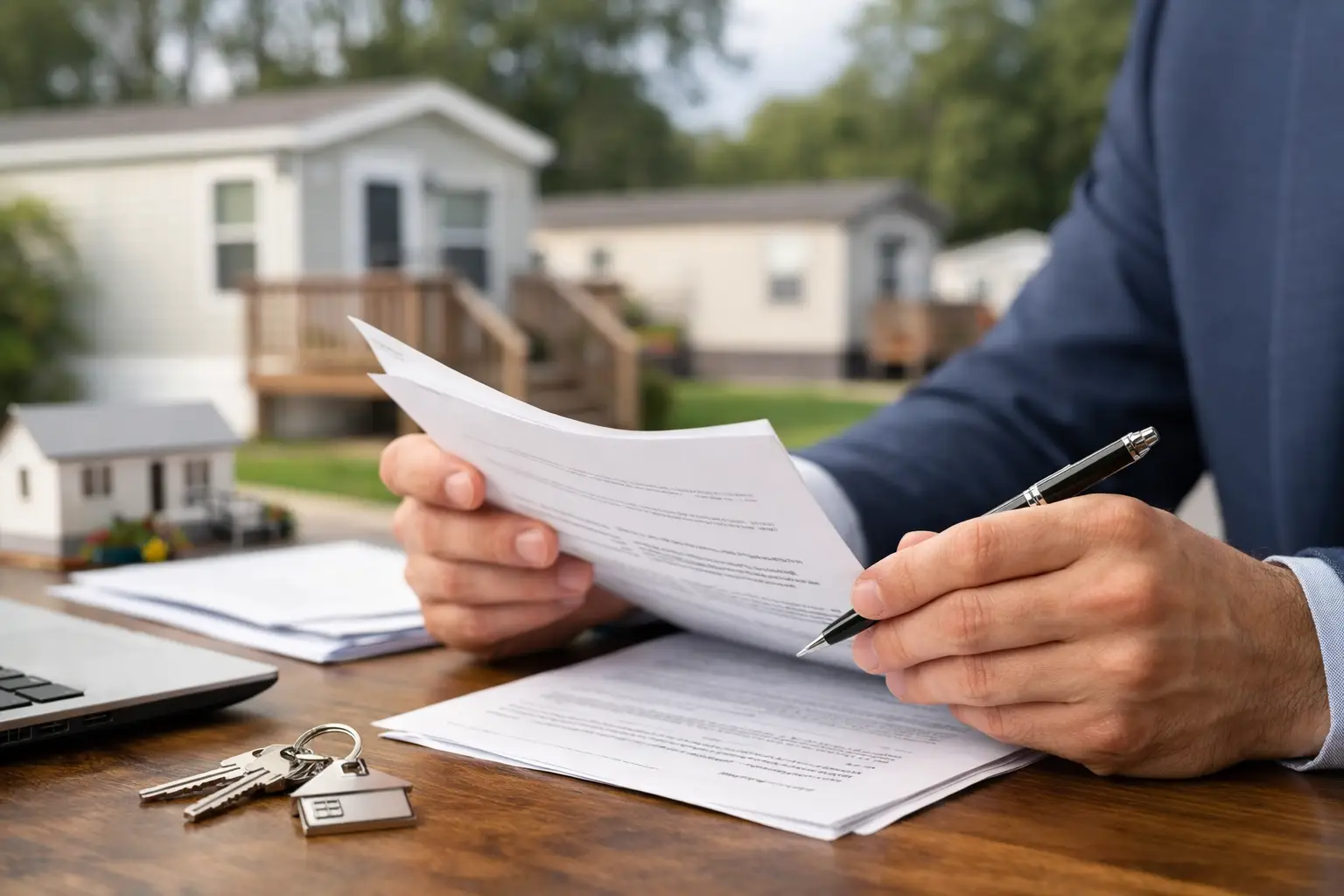
When people ask whether a community feels safe, they are rarely asking about one thing. They are asking what it feels like to come home after dark, whether management responds when something is wrong, and whether the property is cared for in ways that discourage problems before they start.
That is why conversations about manufactured home community living need to get more specific. Real peace of mind does not come from a sales phrase. It comes from visible systems, consistent standards, and a community team that treats safety as part of everyday quality of life.
Manufactured home community security features that shape daily life
The best manufactured home community security features are usually the ones residents notice without having to think about them. Well-lit streets, clear sightlines, maintained common areas, and a team that pays attention all work together. No single feature solves every issue on its own.
That matters because safety in a neighborhood setting is layered. Physical design helps. Community standards help. Responsive management helps. Resident awareness helps too. When those pieces are aligned, a community tends to feel more stable, welcoming, and predictable.
For families, working adults, retirees, and first-time buyers, that predictability is a big deal. Affordable housing should not mean settling for an environment that feels neglected. In a well-managed community, security is part of the overall resident experience, right alongside cleanliness, infrastructure, and respect for neighbors.
Lighting is one of the most important security features
Good lighting changes how a community feels and functions after sunset. Streets, parking areas, mail centers, walkways, and shared amenities should be illuminated well enough that residents can move comfortably and notice what is happening around them.
Lighting also helps reduce the hidden corners and low-visibility areas where problems are more likely to go unnoticed. It supports both prevention and quicker response. If a maintenance issue, suspicious activity, or unsafe condition appears, it is easier for residents and staff to spot it.
That said, brighter is not always better everywhere. Poorly placed lighting can create glare or leave uneven shadows. The goal is coverage that improves visibility without making the property uncomfortable. Communities that invest in lighting upgrades often signal something larger as well - that management is paying attention to the basics that affect day-to-day safety.
Access points and traffic flow matter more than many people realize
A manufactured home community is not a private fortress, and most residents do not want it to feel like one. Still, the way vehicles and visitors move through a property matters. Clearly marked entrances, sensible speed controls, readable signage, and organized parking all make a difference.
When access points are confusing or poorly maintained, it becomes harder to tell who belongs on the property and harder for emergency services, delivery drivers, and guests to navigate efficiently. A more orderly layout supports both safety and convenience.
Some communities use gates or controlled entry systems, while others rely more on visibility, onsite presence, and property design. There is no universal rule that a gate equals a safer community. In some settings, a gate may help limit through-traffic. In others, strong management, better lighting, and active oversight may do more than a gate alone.
Cleanliness and upkeep are security features too
This is one of the most overlooked truths in community living. Property upkeep is not separate from safety. It is part of it.
When roads are maintained, vacant areas are monitored, landscaping is trimmed, and common spaces are clean, the whole environment becomes easier to observe and easier to manage. Neglected areas tend to invite neglect in other forms. Well-kept communities send the opposite message - that standards are enforced and issues are addressed.
That is one reason residents often associate cleanliness with feeling safe. It shows that someone is present, accountable, and invested in the condition of the neighborhood. It also reduces everyday hazards such as broken pavement, poor visibility around overgrown areas, or debris in shared spaces.
Security cameras can help, but they are not the whole answer
Cameras are often one of the first things people ask about, and they can be a useful part of a broader safety strategy. In common areas, entrances, clubhouses, mail zones, or other shared spaces, cameras may help document incidents and support investigations when something goes wrong.
But cameras have limits. They do not replace attentive management, resident communication, or physical maintenance. They are most effective when they are placed thoughtfully, monitored appropriately, and backed by clear procedures. A camera that covers the right area is helpful. A camera installed simply to say one exists is much less meaningful.
Residents should also remember that privacy matters. The goal is not intrusive monitoring of everyday life. The goal is sensible coverage of public or shared areas where visibility supports community safety.
Onsite management and fast response often matter most
If there is one factor that consistently shapes resident confidence, it is management responsiveness. People want to know who to contact, what happens when they report a concern, and whether anyone will follow through.
This is where security becomes very practical. If a streetlight goes out, does someone fix it quickly? If a vacant home needs attention, is it addressed? If a resident reports suspicious behavior, is there a process? Those operational details influence how safe a community feels far more than polished marketing language ever will.
In well-run communities, residents do not feel ignored. They know standards exist, and they see that those standards are applied. That kind of consistency builds trust over time.
For many households, this is the real differentiator. They are not just choosing a home site or floor plan. They are choosing a management team that helps protect the quality of life around that home.
Community rules can support safety without feeling heavy-handed
People are sometimes wary of rules, especially if they imagine unnecessary restrictions. But reasonable community standards often create a better living environment for everyone.
Parking expectations, noise policies, property maintenance requirements, pet rules, and guest guidelines all help shape whether a neighborhood feels orderly and respectful. The key is balance. Standards should be clear, fair, and consistently enforced. They should support neighborly living, not create friction for its own sake.
When expectations are communicated well, residents know what to expect from the community and from each other. That reduces confusion and makes it easier to address issues before they grow.
Resident connection is a real safety advantage
One of the strengths of community living is that people are not isolated. Neighbors notice when something seems off. Residents who feel connected are more likely to look out for one another, share information, and report concerns early.
That does not mean everyone needs to know everyone. It simply means a stronger sense of belonging can support a safer environment. Community events, shared amenities, and a welcoming atmosphere help people feel like they are part of something stable rather than living side by side without interaction.
This matters especially for households seeking both affordability and a neighborhood feel. Safety is not only about hardware and policies. It is also about whether a place feels lived in, respected, and connected.
What to ask when evaluating manufactured home community security features
If you are comparing communities, look beyond a checklist. Ask how the property is managed day to day. Notice whether lighting is working, whether common areas are maintained, and whether roads and signage are in good condition. Pay attention to how the neighborhood feels during your visit.
It also helps to ask practical questions. How are maintenance concerns reported? Is there onsite management or a clear resident support process? How are community rules communicated and enforced? Are common areas monitored? Those answers tell you more than a vague promise of safety ever could.
If you are searching for a place that combines value with day-to-day livability, those details matter. At Medallion Communities, that resident experience starts with the basics done well - attentive management, maintained grounds, and communities designed to feel welcoming as well as well cared for.
The goal is confidence, not just control
The strongest security approach in any manufactured home community is the one that helps residents feel comfortable living their lives. It should support evening walks, routine arrivals home from work, kids playing outside, and everyday interactions with neighbors.
No community can promise a perfect environment, and honest operators should not pretend otherwise. But communities can make smart choices that reduce risk, improve visibility, strengthen accountability, and create a more stable place to live.
When you evaluate a community, look for signs of stewardship. Safety is rarely one feature on a brochure. More often, it is the result of a place that is cared for consistently, managed responsibly, and built around the people who call it home.