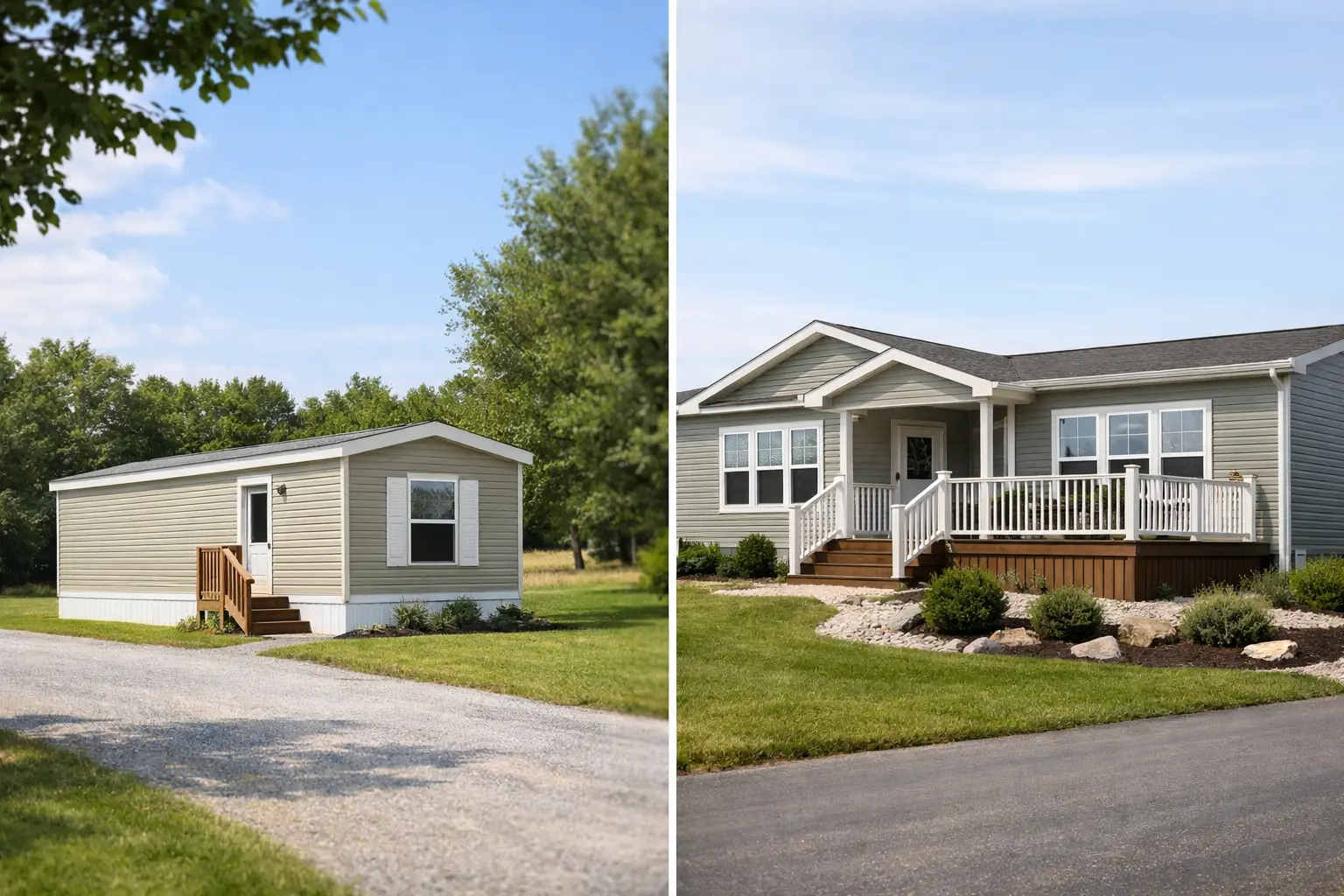
You can feel the difference between a floor plan that works for your life and one that asks you to work around it. That is why the single wide vs double wide decision matters so much. It is not just about square footage. It is about monthly cost, day-to-day comfort, setup, and how well a home fits your household now and a few years from now.
For many renters, buyers, and current manufactured homeowners, this choice comes down to value. The right home should support your budget without giving up the things that make a neighborhood feel stable and welcoming. When you are looking at homes in a well-managed community, the question becomes less about stereotypes and more about practical living.
Single wide vs double wide at a glance
A single wide is built as one transportable section. It is typically narrower and more compact, which often makes it the more affordable option upfront and, in many cases, less expensive to heat, cool, and furnish. For one person, a couple, or a small household, that smaller footprint can feel efficient rather than limiting.
A double wide is built in two sections that are joined on site. It usually offers more square footage, wider rooms, and a layout that feels closer to what many people expect from a traditional site-built home. If you want more separation between bedrooms and living areas, or you need room for kids, guests, or a home office, a double wide often gives you more flexibility.
Neither is automatically better. The better choice depends on how you live, what you can comfortably afford each month, and what kind of community setting you want around you.
Space and layout: where the difference shows up fastest
The biggest advantage of a double wide is not just that it is larger. It is that the extra width changes how the home functions. Living rooms tend to feel more open. Kitchens often have more cabinets and counter space. Hallways and bedroom placement can create a little more privacy, which matters if several people are sharing the home.
Single wides can still offer smart layouts, especially for smaller households. Many use space efficiently with open kitchen and living areas, split-bedroom designs, and practical storage. If your priority is keeping things simple and manageable, a single wide can feel comfortable without wasting space you do not need.
This is where honest self-assessment helps. If you already feel cramped in your current place, choosing the cheaper option may not feel like savings for long. On the other hand, paying for extra rooms you rarely use can put pressure on your budget month after month.
Cost is more than the sticker price
When people compare single wide vs double wide homes, cost is usually the first concern, and for good reason. Single wides often come with a lower purchase price or rental rate. That can make them appealing for first-time buyers, households rebuilding credit, retirees, or anyone trying to keep housing costs predictable.
Double wides usually cost more because they offer more living space and often more features. But the monthly picture is what matters most. A home that looks affordable at first can become a strain once you account for utilities, insurance, maintenance, and lot-related costs where applicable.
A smaller home may reduce some ongoing expenses. A larger home may give your household enough room to avoid needing to move again soon. That trade-off matters. Stability has value too, especially if you want to stay in a community you like and avoid the expense and disruption of another move.
Lifestyle fit matters as much as budget
A single wide often works well for people who want straightforward living. If you value lower upkeep, faster cleaning, and a smaller monthly commitment, it can be a very practical choice. Many residents prefer that simplicity because it leaves more room in the budget for savings, transportation, child care, or everyday peace of mind.
A double wide tends to make sense for households that need room to spread out. Families with children, multigenerational households, or remote workers may appreciate separate living zones and larger common areas. Even something as ordinary as a wider kitchen or an extra bedroom can make daily life feel easier.
The key is not to shop based on what sounds bigger or better. Shop based on what your mornings, evenings, and weekends actually look like. A home should support your routines, not complicate them.
Placement, setup, and community considerations
Not every home decision happens in a vacuum. The community matters. Lot sizes, infrastructure, local regulations, and move-in requirements can all influence whether a single wide or double wide makes more sense.
Single wides can be easier to place in some communities because they require less space. If you already own a home and are planning to move it into a community, transport and setup logistics may also differ between home types. A double wide generally involves more complexity because it arrives in two sections and requires more coordination during installation.
That does not mean a double wide is difficult in every case. It means you want clear answers before you commit. A well-managed community should be able to explain lot availability, utility connections, site preparation, and any home size or age guidelines upfront. That kind of operational clarity protects your time and your budget.
Resale and long-term value
Some buyers lean toward a double wide because they believe it will appeal to more future buyers. In many markets, that can be true. The wider layout often attracts households looking for a more conventional residential feel.
But long-term value is shaped by more than floor plan. Condition, location, community standards, infrastructure, and ongoing management all play a major role. A well-kept single wide in a clean, stable, professionally managed community can be a stronger living choice than a larger home in a setting with weak standards or deferred upkeep.
That is especially important in manufactured home living. The quality of the neighborhood experience matters every day. Streets, lighting, lot care, rule enforcement, and responsive management all influence how secure and comfortable home feels. The home itself is only part of the value equation.
Who usually does best with a single wide?
Single wides often make the most sense for individuals, couples, retirees, and smaller households that want attainable housing costs without sacrificing comfort. They also appeal to buyers and renters who care more about efficient living than extra square footage.
If you want a manageable home in a community where you can focus on living rather than constant upkeep, a single wide may check the right boxes. It can be a strong fit for people who want to keep housing costs in line while still enjoying the benefits of a neighborhood setting.
Who usually does best with a double wide?
Double wides often suit growing families, people who work from home, and households that want more room to host, store belongings, or create separation between private and shared spaces. They also appeal to buyers who want a layout that feels more expansive and traditional.
If your household needs are likely to grow, a double wide may offer more staying power. Paying more for space can make sense when that space helps you stay settled, comfortable, and organized over the long term.
Questions worth asking before you decide
Before choosing either option, think beyond the brochure. How many people will live in the home over the next few years? Do you need flexible space for work, guests, or caregiving? Would a lower monthly cost improve your financial stability, or would more room reduce stress at home?
You should also ask how the home fits within the community itself. Is the neighborhood clean and well maintained? Are rules enforced fairly? Is management responsive? Are the streets, lighting, and common areas cared for? Those details shape daily life just as much as the number of bedrooms.
For people considering homes in a professionally managed manufactured home community, the best outcome usually comes from balancing home size with community quality. A good floor plan matters. So does a place where people feel respected, safe, and proud to live.
At Medallion Communities, that balance is part of what makes the choice clearer. Whether you are drawn to the efficiency of a single wide or the extra room of a double wide, the right home should do more than fit your budget. It should support the life you want to build, in a community where you can truly feel at home.
If you are deciding between the two, trust the version of home that fits your real life best, not the one that only looks good on paper.