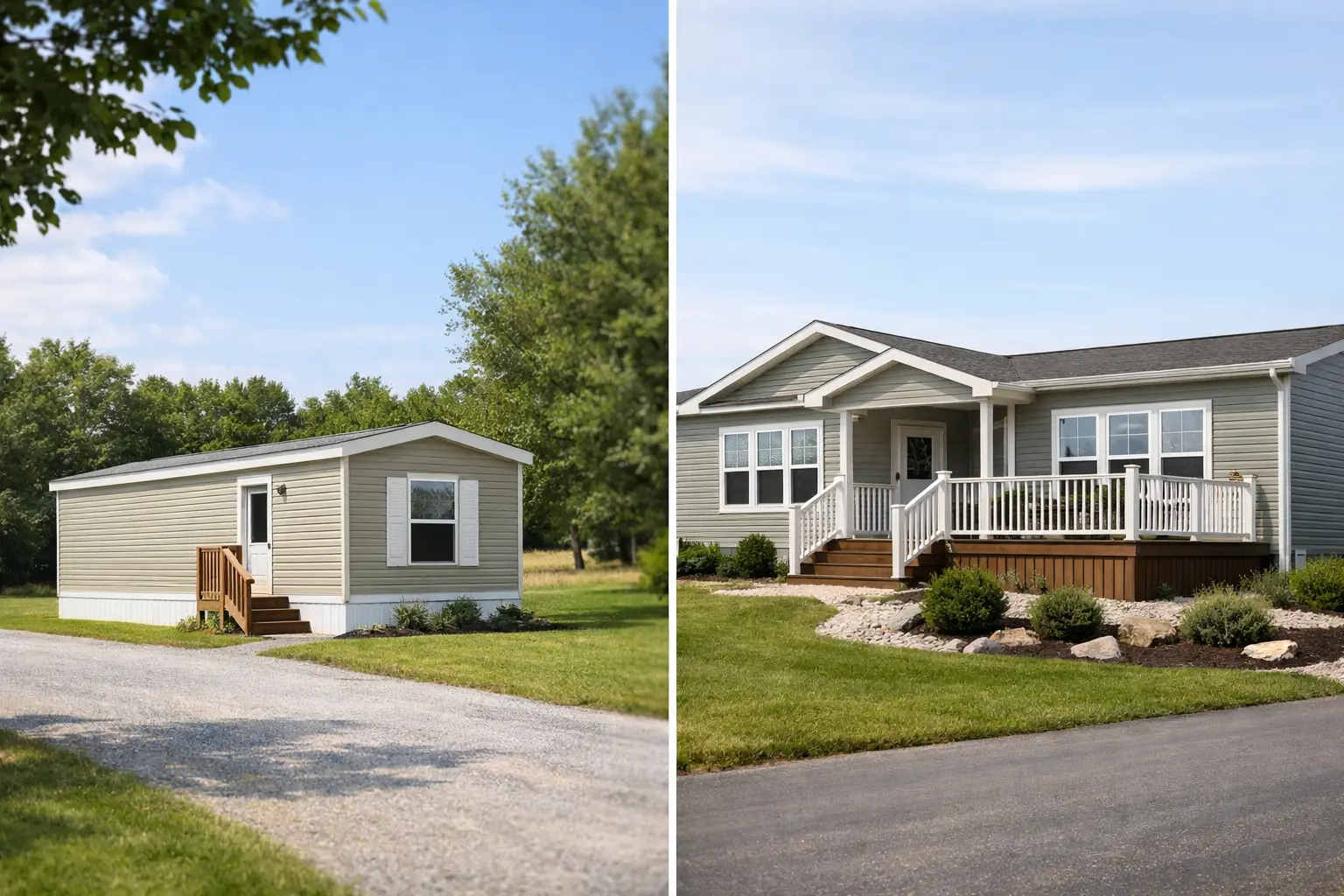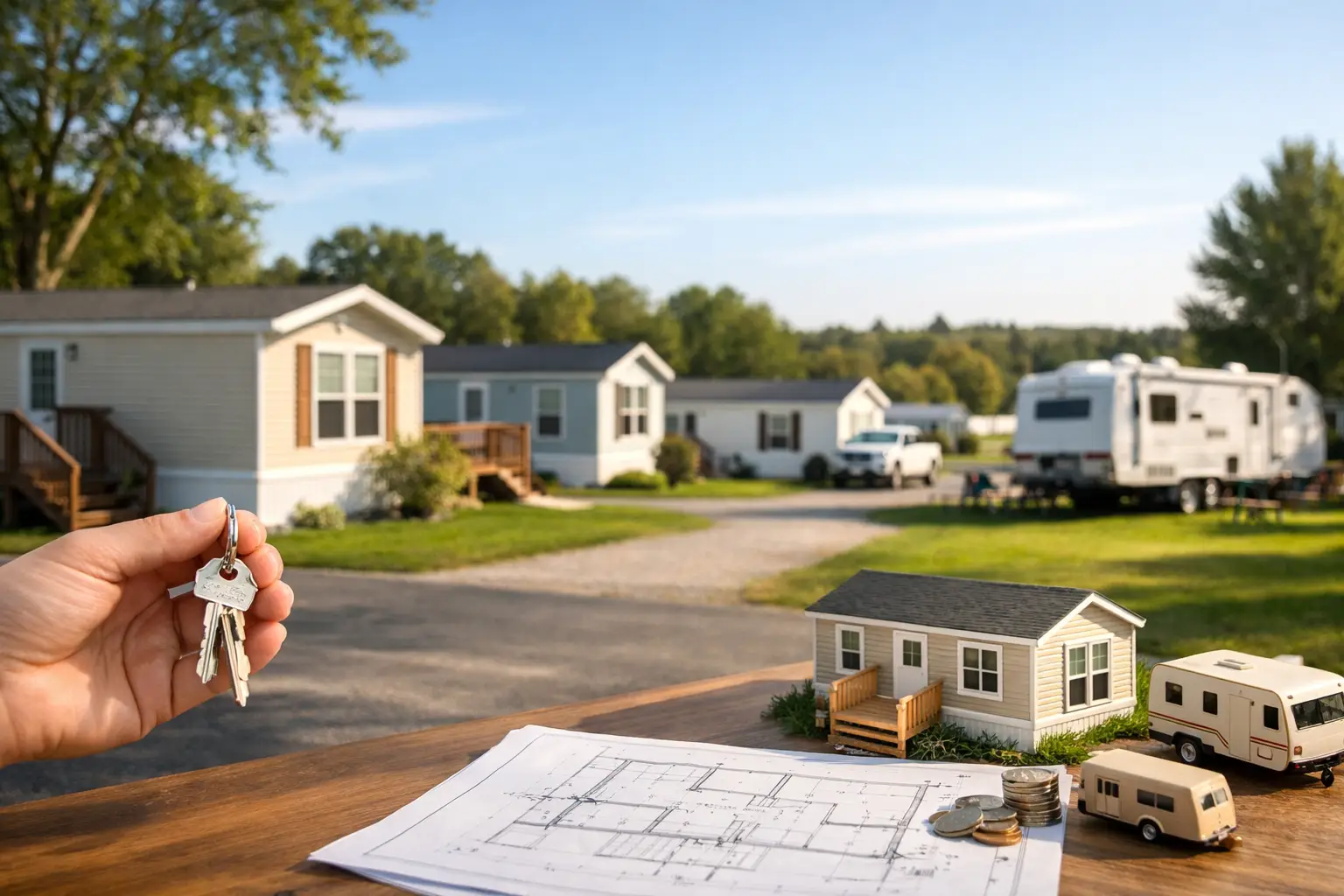
If you are comparing housing costs and wondering why one monthly payment looks far lower than another, affordable lot lease options explained is a good place to start. In a manufactured home community, you may own the home, rent the home, or place your own home on a leased homesite. That setup can lower your upfront costs, but the details matter more than the headline price.
For many households, lot leasing is what makes stable housing possible without stretching every paycheck. You are not buying raw land, maintaining acres of property, or taking on the full cost of a traditional site-built home. Instead, you are paying for the right to place and keep a home on a managed lot inside a community. When the community is well run, that monthly payment supports more than a patch of ground. It supports streets, lighting, utilities infrastructure, property standards, and the kind of neighborhood feel people actually want to come home to.
What a lot lease actually means
A lot lease is an agreement between a resident and a community owner or operator. The resident pays a monthly fee for use of a specific homesite. In many cases, the resident owns the manufactured home and leases only the land beneath it. In other cases, the home itself may be rented, and the lot cost is built into one monthly housing payment.
That distinction is where many people get confused. A lot lease is not the same as a mortgage on land, and it is not exactly the same as apartment rent. You are paying for a homesite within a professionally managed community, often with shared amenities, rules, maintenance standards, and utility systems that support daily life.
If you already own a manufactured home and want to move it into a community, the lot lease becomes your main ongoing housing cost besides home financing, utilities, insurance, and maintenance. If you are buying a manufactured home in a community, your total monthly budget may include both the home payment and the lot lease.
Affordable lot lease options explained by cost structure
The reason lot leasing can be more affordable is simple. Land is expensive, and buying it adds a major barrier to homeownership. Leasing a lot lets residents access a place to live without carrying the full purchase price of both land and home.
But affordable does not always mean identical from one community to the next. Some lot leases cover only the homesite. Others may include certain utility services, lawn care in common areas, trash service, or access to amenities like a clubhouse, playground, or community events. A lower base rent can look attractive until you realize several necessary costs are billed separately.
That is why the right question is not just, "What is the lot rent?" It is, "What does the monthly payment include, and what will I still be responsible for?" A clear answer helps you compare communities fairly.
In many cases, residents should expect these costs to be part of the full picture: lot rent, utilities, home insurance, property taxes on the home if applicable, and routine upkeep of the home itself. If you are moving your own home in, setup costs can also include transport, installation, skirting, steps, tie-downs, and utility connections.
Why many buyers and renters choose this model
For working adults, families, and budget-conscious households, lot leasing can create breathing room. The upfront costs are usually lower than buying a traditional house with land. The monthly costs are often more predictable than trying to manage a mortgage, taxes, repairs, and every outdoor maintenance issue on your own lot.
There is also a lifestyle factor. A well-managed manufactured home community offers something many people want but struggle to find at an attainable price: a real neighborhood. Clean streets, clear community standards, responsive management, and residents who care about where they live all matter. Affordability is stronger when it comes with stability and a sense of belonging.
That said, it depends on your goals. If your top priority is controlling a large parcel of land, a lot lease may not be the best fit. If your priority is attainable monthly housing in an established community, it can be a smart option.
The trade-offs to understand before you sign
No housing option is perfect for everyone, and lot leases come with trade-offs worth understanding upfront. The first is control. You may own your home, but you are still living within community rules. Those rules often cover home appearance, parking, pets, occupancy, and outdoor items. In a strong community, those standards protect quality of life. Still, they do mean less flexibility than owning unrestricted land.
The second is that lot rent can change over time. Residents should ask how increases are handled, how much notice is given, and whether the community has a track record of clear communication. Predictability matters just as much as the starting rate.
The third trade-off is relocation. Manufactured homes can be moved, but moving one is not simple or cheap. That makes your choice of community especially important. You want a place with attentive management, solid infrastructure, and a long-term commitment to upkeep.
How to evaluate affordable lot lease options
The best way to compare options is to look beyond the advertised payment. Start with the lease terms. Ask how long the lease runs, how renewals work, what fees may apply, and what responsibilities belong to the resident versus the community.
Then look at the physical condition of the property. Are the streets maintained? Is the lighting good? Do homesites look orderly? Is there visible investment in infrastructure and common areas? These details tell you whether affordability is being supported by real management or simply by cutting corners.
It also helps to ask practical questions that affect day-to-day life. How are maintenance requests handled? Is there an online portal for payments and service communication? What is the process for applications and approvals? How does the community handle resident concerns? Good operations create confidence, and confidence matters when you are choosing where to live.
If you are placing your own home on a lot, ask about size requirements, age restrictions, installation standards, utility hookups, and whether the community can support your move-in timeline. Not every homesite fits every home, and not every community accepts outside homes.
What makes a lot lease feel affordable over time
True affordability is not only about paying less this month. It is about whether the housing choice remains manageable and livable over time. A community with strong property standards, responsive staff, and reliable infrastructure can save residents stress, unexpected disruption, and avoidable costs.
That is one reason many home shoppers look for communities that combine value with visible care. When management is attentive, residents are more likely to experience the basics that shape everyday comfort: clean surroundings, safer common areas, faster issue resolution, and clearer communication. Those things may not always show up in a price comparison, but they absolutely affect quality of life.
At Medallion Communities, that resident-first approach is part of the value equation. Affordable housing works better when it comes with stewardship, not just availability.
Affordable lot lease options explained for different housing goals
If you want entry-level homeownership, leasing the lot while buying the home can be a practical middle ground. You build a path into owning your residence without taking on the full cost of land purchase. That can make homeownership feel more realistic, especially for first-time buyers.
If you want flexibility and a simpler move, renting a home in a manufactured home community may make more sense. In that setup, the lot arrangement is handled within the rental structure, and you can focus on one monthly payment.
If you already own a manufactured home, a leased lot in a well-managed community may give you the stability, infrastructure, and neighborhood setting you want without the burden of buying land. The right fit depends on whether your priority is ownership, convenience, lower entry costs, or long-term predictability.
Questions worth asking before you decide
Before signing any lease, make sure you understand what is included, what is separate, and what could change. Ask about utility billing, guest policies, pet rules, maintenance responsibilities, lease renewal, and notice periods. If something sounds vague, ask again until it is clear.
You should also trust what you see. Visit the community, not just the model home or office. Drive the streets. Notice the condition of homesites and common spaces. Pay attention to whether the environment feels cared for. A community should reflect the kind of life it promises.
Affordable housing should not mean settling for uncertainty or poor management. The strongest lot lease options offer a combination that is harder to find than it should be: attainable monthly costs, a welcoming neighborhood, and a team that treats the community like a place people are proud to call home.
When you look at lot leasing through that lens, the decision becomes clearer. The best option is not simply the lowest number on paper. It is the one that supports your budget, your daily routine, and your sense of stability long after move-in day.