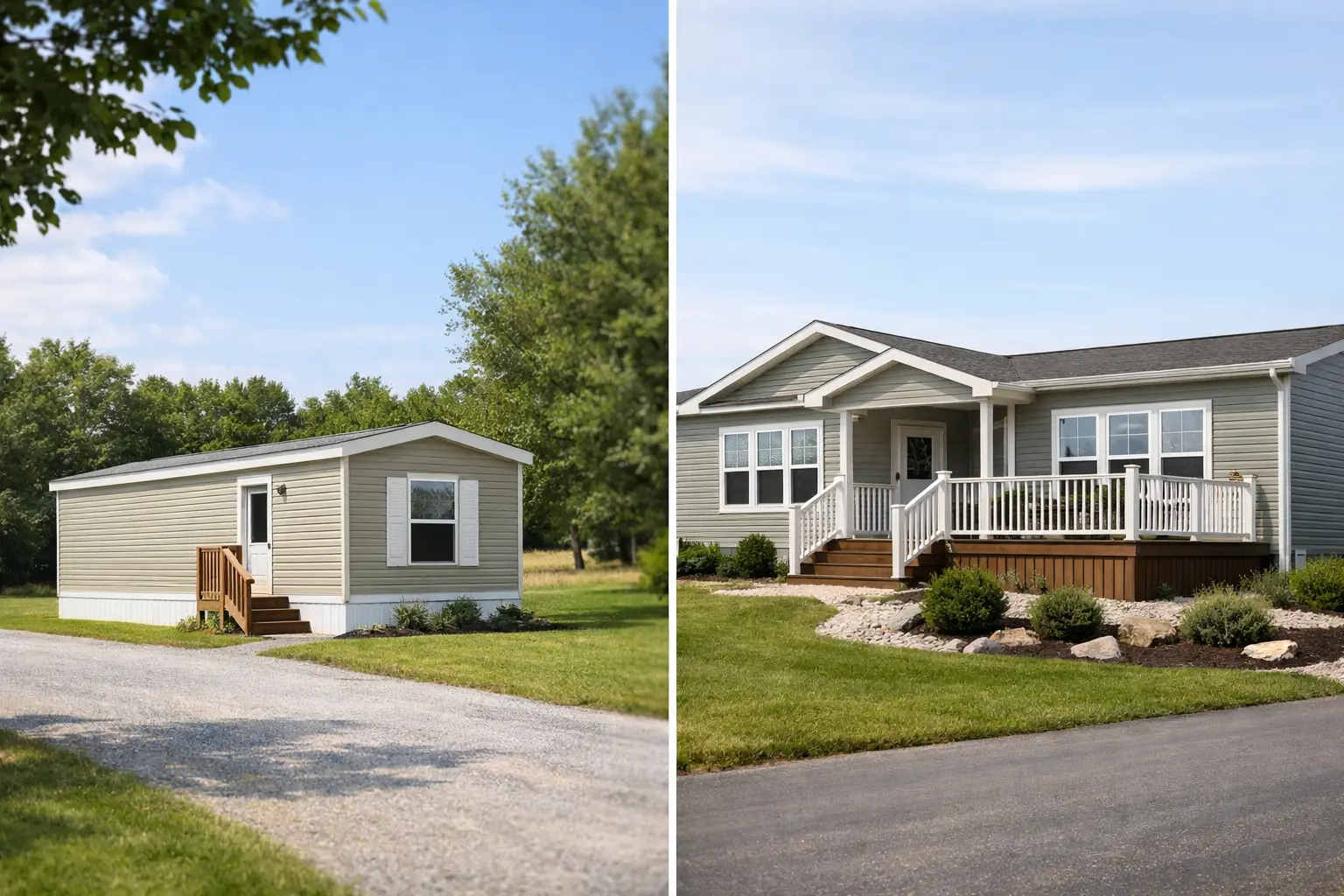
Some neighborhoods feel like a collection of houses. Others feel like a place where your kids can ride bikes, you can learn your neighbors’ names, and problems get handled before they turn into headaches. If you are searching for the best manufactured home communities for families, that second feeling is usually what you are really shopping for - not just a floor plan and a monthly payment.
Manufactured home living can be one of the most practical paths to stable housing, especially when you want predictable costs and a community setting. But “community” is not automatic. The difference between a family-friendly community and a stressful one almost always comes down to the same few factors: day-to-day management, safety basics, property standards, and whether the place is designed for real life with kids.
What “family-friendly” actually means in a manufactured home community
For families, a good community has to work on a Tuesday evening, not just when you tour on Saturday. You want streets that feel comfortable to walk, common areas that get used (and maintained), and rules that protect your quality of life without being arbitrary.
It also needs to fit your season of life. A family with toddlers may prioritize sidewalks, lighting, and a small playground. A family with teens may care more about internet reliability, school zoning, and a safe place to meet friends. A multigenerational household might care about quiet hours, guest parking, and whether the home layout and lot work for everyone.
The non-negotiables: safety, upkeep, and management responsiveness
Families tend to thrive in communities where the basics are handled consistently. Safety is part physical environment and part how problems get addressed.
Start with the physical environment. Look for well-lit streets, clearly marked speed limits, and roads that are in good condition. If you notice broken streetlights, poor visibility at night, or potholes everywhere, that is not just cosmetic - it is a sign that maintenance may be reactive instead of proactive.
Then look at how the community runs. Ask how maintenance requests are submitted and tracked. A modern resident portal is not “extra” anymore - it is often the difference between issues being logged and resolved versus getting lost in voicemail. Responsive management shows up in small things: the condition of common areas, the consistency of landscaping, and how clearly community policies are communicated.
Property standards matter, too. Families usually want a place that feels cared for, and standards help protect that. The trade-off is that standards can feel restrictive if you prefer a looser environment. What you are looking for is fairness and clarity: rules that make sense, are applied consistently, and are easy to understand before you move in.
The best manufactured home communities for families feel easy to live in
A family-friendly community reduces friction. It is not about having every amenity - it is about having the right setup so everyday life is smoother.
Streets, sidewalks, and speed control
If you have kids, you will notice street design immediately. Wider roads, clear signage, and visible speed controls can make the community feel calmer. Sidewalks are a big plus, but even without them, look for walkable routes that feel safe and predictable.
Pay attention to how cars are parked. In some communities, crowded street parking makes it harder for kids to play outside and for drivers to see clearly. Ask about guest parking and whether there are designated areas that keep sightlines open.
Clean common areas and working amenities
Amenities are only family-friendly if they are maintained. A clubhouse that is closed all the time or a playground that looks neglected will not improve your day-to-day life.
When touring, notice whether common spaces are being used. A community area that has residents spending time there often signals two things: people feel comfortable, and the space is cared for. If there is a pool, ask about rules, hours, and how it is managed. For families, clear pool policies can be a positive because they help keep the space safer and more enjoyable.
A culture of respect
You cannot always “see” community culture in a single visit, but you can look for clues. Do residents wave at each other? Are lots generally tidy? Do posted notices feel helpful and clear, or harsh and confusing?
If possible, talk to a resident. Ask a simple question: “If something needs to be fixed, how long does it usually take?” Families want stability, and stability is built on follow-through.
Schools, commutes, and the practical map of your week
A community can be beautiful and still be the wrong fit if it makes your weekdays harder.
School quality and school zoning are major factors for many families. Confirm the school assignments before you commit, and consider how the morning drive actually works in traffic, not just on a map. If you rely on bus pickup, ask where the stop is and whether it is within the community.
Commute time matters for more than convenience. It affects childcare timing, after-school activities, and your ability to be present at home. When you are comparing communities, build a realistic schedule: work, school drop-off, groceries, and the closest urgent care. A community that saves you 20 minutes a day is giving you back real life.
Renting vs. buying vs. moving your own home in
Families are not all shopping the same way. Manufactured home communities can offer several paths, and the best path depends on your goals.
Renting can be a strong option if you want flexibility, a lower upfront cost, or time to get to know an area before buying. It can also simplify maintenance responsibilities, depending on the lease and the community’s policies.
Buying is often about stability and long-term value. Many families like the idea of building equity while still enjoying a neighborhood setting. If you are buying, ask about lot rent, utility responsibilities, and what improvements are included with the home and site.
If you already own a manufactured home, moving it into a community can be a smart way to pair your home with a well-managed neighborhood. This option has extra steps, and it depends on community requirements. Ask about home age guidelines, installation standards, lot availability, and the process and timeline for approvals.
Community rules: the right ones protect families
Rules can feel like a red flag if you have had a bad experience elsewhere. But for many families, reasonable rules are exactly what create peace of mind.
Ask to review the community guidelines before applying. Look for policies around noise, pets, exterior upkeep, and vehicle parking. The best communities usually have rules that are specific enough to prevent confusion, but not so strict that normal family life feels policed.
Also ask how enforcement works. A fair approach is transparent, consistent, and focused on solving issues. If the answer is vague, or if you get the sense that enforcement is unpredictable, that is a risk for long-term comfort.
What to ask on a tour so you do not have surprises later
Tours can be quick, and it is easy to get distracted by the model home. For family decision-making, you want answers that reveal how the community operates.
Ask how residents submit requests, how long typical repairs take, and what is considered an emergency. Ask who manages the community day-to-day and how you can contact them. Ask about planned improvements, like street repairs or lighting upgrades, because reinvestment usually signals a community that is being actively cared for.
If amenities matter to your family, ask about hours, guest policies, and whether there are resident events. Social connection is not required for everyone, but many families appreciate a place where it is easy to meet neighbors naturally.
Finding the right community faster
Most families are balancing housing search with work, school schedules, and budget boundaries. The fastest way to narrow your options is to decide what is truly non-negotiable.
If safety and upkeep are top priorities, focus on communities with visible maintenance, clear rules, and simple ways to communicate with management. If affordability is the priority, look closely at the full monthly picture: lot rent, utilities, fees, and what is included. If stability is the priority, pay attention to how long residents tend to stay and whether the community feels settled.
One practical approach is to start your search with communities that make it easy to compare homes and apply online. For example, Medallion Communities offers community search by location and listings by price range, along with resident tools that support day-to-day living.
A closing thought for families choosing where to land
The right manufactured home community is not just where your home sits - it is where your family’s routines become easier, your costs feel more predictable, and you can breathe a little when you pull into the neighborhood. Trust what you can verify: the condition of the property, the clarity of the rules, and the responsiveness of the people who run it. Then picture a normal week there. If it feels livable, not just like a good deal, you are close to the right choice.