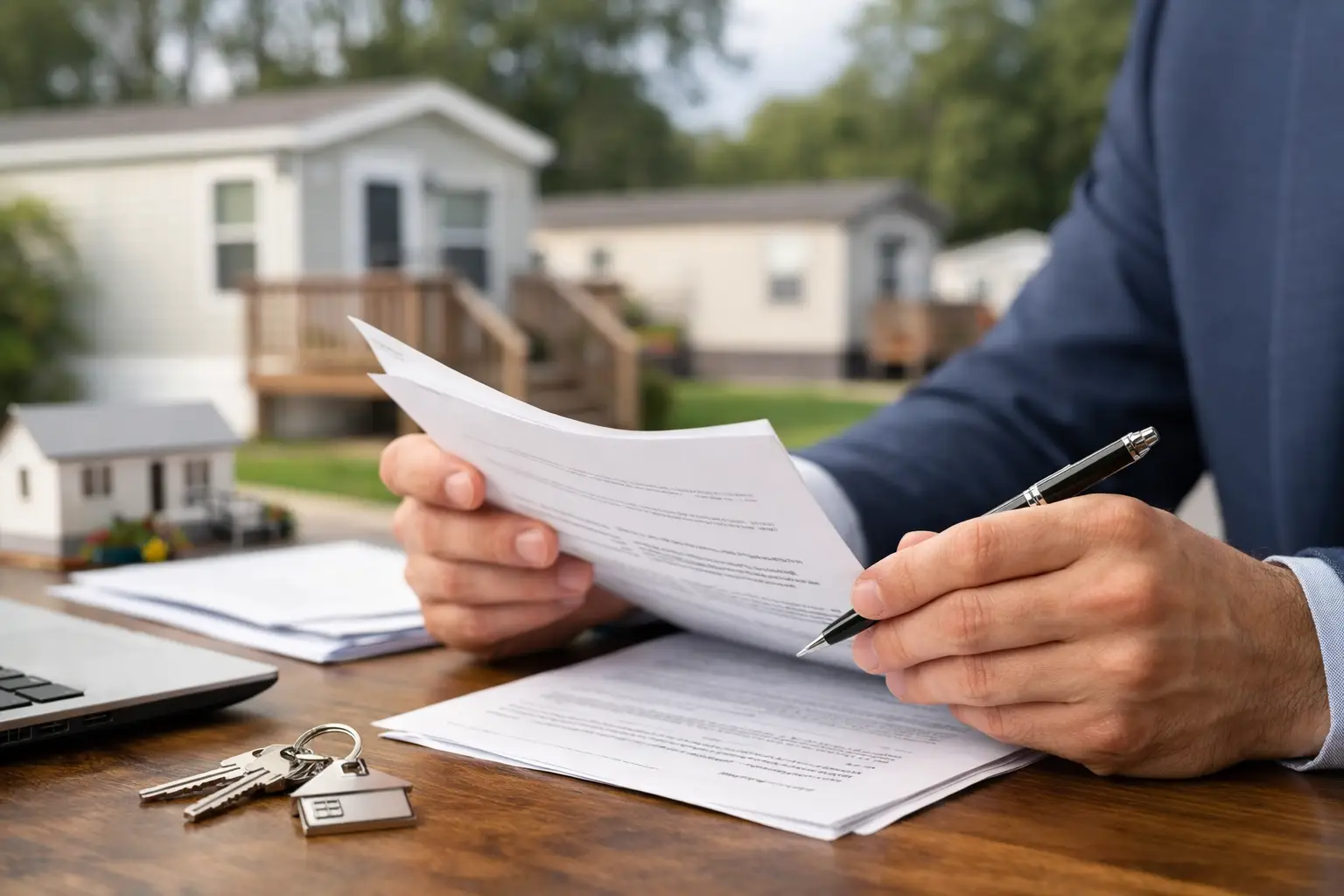
Choosing a place to live is not just about square footage or monthly cost. It is about how a community feels on a Tuesday night, how quickly problems get handled, and whether the people managing the property actually care about daily life.
That is why the conversation you have with a community manager matters so much. If you are renting a home, buying a manufactured home, or planning to move your own home into a community, the right questions can help you avoid surprises and feel more confident in your decision.
A strong community manager should be able to answer clearly, explain expectations, and help you understand how the neighborhood operates. If the answers feel vague, rushed, or inconsistent, that tells you something too.
The best questions to ask community manager before you decide
The best questions are not only about price. They should help you understand the full picture - costs, maintenance, safety, rules, and the overall standard of living.
Start with the basics. Ask, "What is included in the monthly cost?" That sounds simple, but it can reveal a lot. In some communities, certain utilities, amenities, or services may be included. In others, you may be responsible for more than you expected. You want a clear breakdown so you can compare one option to another fairly.
Next, ask, "Are there any additional fees I should plan for?" Application fees, pet fees, late fees, lot fees, move-in costs, and utility billing practices can all affect affordability. A good manager will be transparent and direct. Predictable housing costs matter, especially for families and working households trying to stay on budget.
Then ask, "What does the application or approval process look like?" You should know the timeline, documents required, background or credit screening standards, and what could slow things down. Clear process usually reflects organized management. Confusion at this stage can be a warning sign.
Questions that reveal how the community is managed
A clean entrance can make a strong first impression, but long-term satisfaction usually depends on what happens after move-in. This is where management questions become essential.
Ask, "How do residents submit maintenance requests, and how quickly are they handled?" This question gets to the heart of responsiveness. Some communities offer online resident portals, while others may rely on phone or office visits. Neither is automatically better, but the system should be easy to use and the response expectations should be realistic.
You can also ask, "What kinds of maintenance are handled by management, and what is the resident responsible for?" That distinction matters a lot in manufactured home communities because responsibilities may vary depending on whether you rent the home, own the home, or lease only the lot. It depends on the arrangement, so ask for specifics rather than broad promises.
Another strong question is, "How do you communicate with residents about updates, repairs, or community issues?" Good communication supports trust. If roads are being repaired, lighting is being upgraded, or a water line issue affects the neighborhood, residents should know what is happening and what to expect.
Ask too, "How often is the community inspected or maintained?" You are not looking for perfection. You are looking for consistency. Well-kept streets, common areas, lighting, and shared amenities often reflect a management team that takes pride in the community and protects quality of life.
Best questions to ask a community manager about rules and expectations
Every well-run community has standards. The key is making sure those standards are clear, fair, and aligned with how you want to live.
Ask, "What are the community rules and how are they enforced?" This question helps you understand everyday expectations around parking, noise, pets, guests, yard upkeep, and exterior home appearance. Strong standards can support a cleaner, more welcoming environment, but you want to know how they work in practice.
Follow that with, "Can I review the lease, community guidelines, or lot agreement before I commit?" You should never feel rushed past the fine print. A professional community manager will expect you to read the details and ask questions.
If you have a pet, ask directly about breed, size, or number restrictions. If you work odd hours, ask about parking and guest policies. If you own your home and plan to move it in, ask about age, size, skirting, setup, and installation requirements. The right fit depends on your situation.
Questions about safety, upkeep, and daily livability
People want affordable housing, but they also want to feel comfortable where they live. That makes safety and upkeep non-negotiable topics.
Ask, "What steps do you take to help keep the community safe and well maintained?" A manager may talk about lighting, regular inspections, infrastructure improvements, office presence, vendor coordination, or community standards. No one can promise every resident the same experience, but they should be able to explain how management supports a secure and respectful environment.
It is also smart to ask, "Have there been any recent upgrades or planned improvements?" This tells you whether the community is standing still or being actively cared for. Improvements to streets, signage, drainage, lighting, and common spaces often show long-term commitment rather than short-term marketing.
If amenities matter to you, ask, "Which amenities are available, and how are they maintained?" A clubhouse, playground, green space, or laundry area only adds value if it is clean, functional, and consistently managed.
Questions if you are buying or moving in your own home
This is where many people need more than a standard rental conversation. If you are buying a manufactured home or bringing one you already own, ask more detailed operational questions.
Start with, "If I buy a home here, what ongoing costs should I expect beyond the purchase price?" That can include lot rent, utilities, insurance, taxes depending on the setup, and maintenance responsibilities. Homeownership can create stability, but it comes with its own set of obligations.
If you already own a home, ask, "What are the requirements for moving my manufactured home into the community?" This is one of the most important questions because the answer may involve home age limits, dimensions, transport coordination, permits, inspections, utility hookups, and site preparation. A strong manager should explain the process in practical terms, not just say yes or no.
You should also ask, "Are there approved contractors or setup standards I need to follow?" That helps you understand both timeline and cost. Some communities have clear installation standards to protect safety, appearance, and long-term infrastructure.
How to read the answers you get
The best questions to ask community manager are only helpful if you pay attention to how the answers are delivered.
Clear answers are usually a good sign. If the manager explains costs without hesitation, walks you through next steps, and gives you direct answers about rules and maintenance, that often reflects a well-run operation.
Vague answers deserve a closer look. If you hear a lot of "it depends" without any explanation, or if basic questions about fees, maintenance, or policies seem hard to answer, you may run into frustration later. Some issues really do depend on the home type or lease structure, but a professional should still be able to explain the range of possibilities.
Tone matters too. You want a manager who is respectful, informed, and focused on helping residents succeed in the community. That balance matters. Good management is not just friendly. It is attentive, organized, and consistent.
A better tour leads to a better decision
When you visit a community, bring your questions with you. Walk the streets. Notice the condition of homes, common areas, signage, and lighting. If possible, compare what you see with what you are told.
This is especially important if you are weighing affordability against long-term comfort. Lower monthly costs can be attractive, but value comes from more than price alone. Responsive management, clear standards, and visible upkeep can make daily life feel more stable and more welcoming.
For people looking at manufactured home communities, these conversations also help cut through outdated assumptions. A well-managed community should feel like a place where people can put down roots, know what to expect, and take pride in where they live. That is exactly the standard communities like Medallion Communities work to support.
The right question is not just, "Can I afford to live here?" It is, "Will this community help me feel at home once I do?" Ask that in enough different ways, and the right answer usually becomes clear.