A rent increase can change a household budget overnight. So can a surprise repair bill, a long commute, or the feeling that your family has outgrown a temporary living situation. For many working adults and families, entry level homeownership options are less about chasing a picture-perfect house and more about gaining a stable place to live, build routines, and put down roots.
The right first home is not always a site-built house with a large down payment. It may be a manufactured home in an established community, a modest condominium, a smaller single-family home, or a home already owned by a family member. Each path comes with different costs, responsibilities, and opportunities. Looking at the full monthly picture – not just the listing price – can help you choose with confidence.
What Makes a Homeownership Option Truly Entry Level?
An entry-level home should be attainable without leaving no room in the budget for life. That means considering the purchase price alongside the down payment, financing terms, insurance, property taxes, utilities, maintenance, and any community or association fees.
Affordability matters, but predictability matters too. A home with a lower sale price can still become difficult to manage if it needs major repairs right away or carries high monthly costs. On the other hand, a well-maintained home in a professionally managed neighborhood may offer a clearer picture of what to expect each month.
A practical starting point is to identify a monthly payment range that leaves space for savings, transportation, food, health care, and ordinary surprises. From there, you can compare homes based on total cost, location, condition, and the kind of neighborhood you want to call home.
Four Entry Level Homeownership Options to Consider
Manufactured homes in established communities
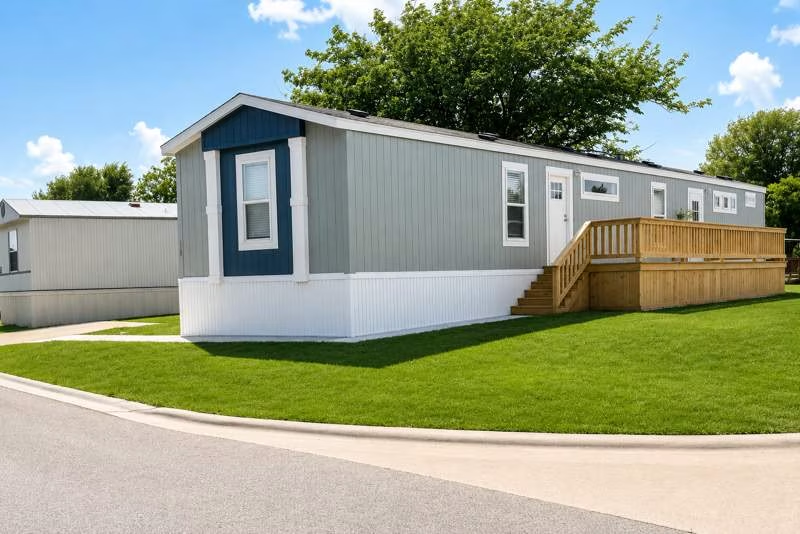
Manufactured homes are often one of the most practical routes into ownership. They can provide the comfort and privacy of a standalone home at a price that may be more accessible than many site-built homes in the same area. Buyers may purchase a new or pre-owned home, depending on availability and budget.
When a manufactured home is located in a community, the homeowner typically owns the home and leases the homesite. That arrangement can make the initial purchase more manageable because it separates the cost of the home from the cost of the land. Community amenities, maintained common areas, street lighting, and onsite management can also add meaningful day-to-day value.
The trade-off is that lot rent is part of the monthly budget, and residents agree to community rules designed to support a clean, respectful neighborhood. Ask for clear information about lot rent, utilities, pet policies, home upkeep standards, and any move-in costs before making a decision. A strong community should be transparent about expectations and responsive when residents need help.
Smaller single-family homes
A modest single-family home can be a good fit for buyers who want control over the land, the exterior, and future changes to the property. This option may appeal to households looking for a yard, more distance from neighbors, or the flexibility to renovate over time.
The challenge is that all maintenance falls on the homeowner. Roofs, driveways, plumbing, landscaping, and major systems are no longer someone else’s responsibility. A thorough home inspection is essential, especially for older homes that appear affordable but may need expensive work soon after closing.
For some buyers, a smaller home in good condition is a better first step than stretching for more square footage. A home that meets today’s needs and leaves room in the budget can create a stronger foundation for the future.
Condominiums and townhomes
Condos and townhomes can offer a lower purchase price than detached houses in certain markets, particularly near employment centers. They may also reduce exterior maintenance responsibilities, which is helpful for first-time owners with limited time or experience handling repairs.
However, homeowners association fees deserve close attention. Those fees can cover landscaping, exterior repairs, insurance for common areas, or amenities, but they add to the monthly cost. Review the association’s rules, financial health, and reserve funds. A low purchase price does not tell the whole story if dues are high or a large assessment is likely.
This route works best for buyers who are comfortable living in a more closely connected setting and who value convenience over complete control of the property’s exterior.
Buying a pre-owned home from an individual seller
Pre-owned homes can create an attainable path when buyers are open to a home that is not brand new. This includes site-built homes, condos, and manufactured homes. A well-cared-for pre-owned manufactured home, for example, may offer room for a family, an established location, and a lower upfront cost than new construction.
Condition is the deciding factor. Request maintenance records when available, inspect the home carefully, and understand which appliances, systems, or improvements may need attention. If the home is in a manufactured home community, confirm that the community can approve the home and buyer before finalizing plans.
A lower price is valuable only when the home is safe, suitable, and positioned to serve your household well for more than a few months.
How to Compare Entry Level Homeownership Options
Start by comparing monthly costs in the same format. For each home, write down the mortgage or loan payment, taxes, insurance, lot rent or HOA dues, estimated utilities, and a realistic maintenance reserve. This makes it easier to spot a home that looks affordable on paper but strains the budget after every required expense is included.
Next, consider financing early. Manufactured homes, condos, and traditional houses may qualify for different loan products depending on the home’s age, foundation, location, and whether land is included. Credit history, income, debt, and down payment funds all influence available terms. Talking with qualified lenders can help you understand what payment range is realistic before you fall in love with a particular home.
Location deserves equal weight. A lower-priced home far from work, school, family, or reliable services can bring higher transportation costs and less time at home. Look at the neighborhood during different times of day. Pay attention to road conditions, lighting, nearby services, and whether the property feels cared for.
Finally, think beyond the transaction. Homeownership works best when the home supports everyday life. Is there room for children, pets, hobbies, or guests? Are the rules reasonable and clearly explained? If a repair or concern comes up, is there a management team or neighborhood structure that helps protect the quality of life around you?
The Value of a Well-Managed Community
For buyers considering a manufactured home, the community is part of the decision. A home may be attractive, but the experience of living there is shaped by the streets, common areas, neighbors, infrastructure, and responsiveness of management.
At Medallion Communities, that focus includes maintaining welcoming neighborhoods where residents can feel connected and secure. Standards for property upkeep are not about making life difficult. They help create a place where families can take pride in their homes, children can play, and residents know concerns will be handled with care.
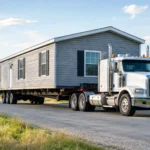
If you already own a manufactured home, moving it into a suitable community may also be an option. Before making plans, ask whether the community accepts move-ins, what home age and condition requirements apply, how utility connections work, and what the full move process involves. These details can prevent costly surprises.
Questions to Ask Before You Buy
Before signing an agreement, ask who is responsible for each major expense and repair. Confirm what is included in the sale, whether the home has been inspected, and how monthly charges can change over time. If you are purchasing in a community, request the rules in writing and make sure you understand the application and approval process.
It is also wise to ask yourself one simple question: Can this home support our life for the next three to five years? The answer does not need to be perfect. A first home is often a meaningful beginning, not a forever decision. But it should give you more stability than stress.
The best path into homeownership is the one that lets your household breathe. Choose a home and a community that respect your budget, support your routines, and give you a place where belonging can grow.
![Camping Near [Landmark] for a Better Stay](https://medallioncommunities.com/wp-content/uploads/2026/10/camping-near-landmark-for-a-better-stay-featured-150x150.webp)