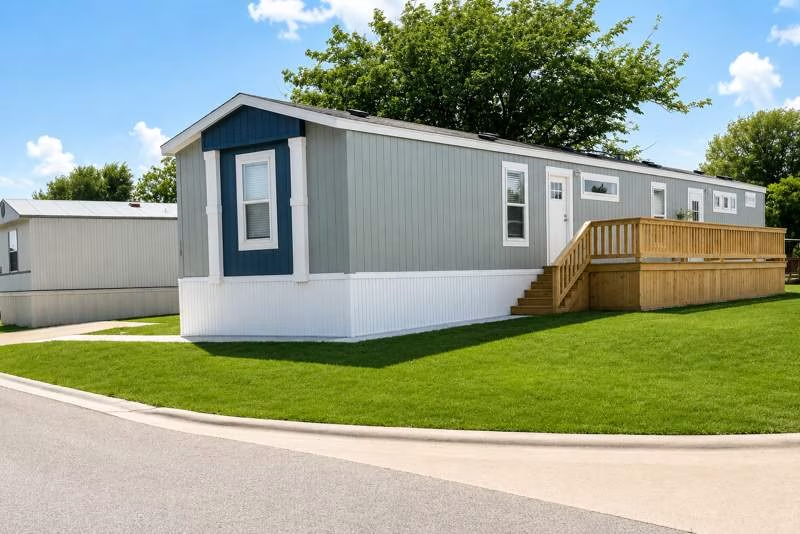
A vacant manufactured home lot can be a meaningful opportunity: a place to bring the home you already own, reduce your housing costs, and join a neighborhood built for everyday living. Knowing how to find affordable lot availability starts with looking beyond the advertised monthly lot rent. The right community should fit your budget, your home, and your expectations for a clean, welcoming place to live.
For many households, lot availability changes quickly. A community may have a few open sites one week and none the next, especially in areas with strong demand for attainable housing. A focused search, a clear budget, and a few direct questions can help you move from “maybe” to a site that feels like home.
Start With the Full Monthly Cost
An affordable lot is not simply the one with the lowest advertised rent. Before comparing communities, decide what you can comfortably spend each month on housing and separate that number into two parts: your home payment, if you have one, and your lot-related costs.
Ask what the stated lot rent includes. In some communities, water, sewer, trash, lawn care, or other services may be billed separately. You should also account for electricity, gas, internet, insurance, and any payment connected to moving, installing, or improving your manufactured home.
A lower lot rent can be a great value, but it is only one part of the picture. A community with dependable infrastructure, maintained streets, lighting, and responsive management may cost slightly more than an unmanaged property, while helping you avoid surprises that can disrupt daily life. Affordable housing should feel predictable, not uncertain.
It also helps to ask whether the rent is expected to change after you move in and how residents are notified of adjustments. Clear answers help you plan with confidence.
How to Find Affordable Lot Availability in the Right Area
Location often determines both price and availability. Begin with the areas where your commute, school needs, family connections, health care, and daily errands make sense. Expanding your search by even 10 to 20 miles may reveal more community options and a better balance between lot rent and convenience.
Look for established manufactured home communities rather than treating every vacant parcel as the same kind of opportunity. A community lot is designed for manufactured home living and is typically connected to the systems residents need, such as utilities, roads, mail service, and site access. It may also offer shared spaces or community activities that make it easier to know your neighbors.
When you contact a community, ask whether an available lot is ready now, reserved for an incoming home, or expected to open soon. “Available” can mean different things. A site may be vacant but still need utility work, grading, or approval for a specific home size. Asking early saves time and helps you compare real options.
A location-based search is useful, but a phone call or inquiry can be just as valuable. Community teams can explain upcoming availability, application timing, and whether a waitlist is offered. If there is no open site today, joining a waitlist may be a practical next step when the community is a strong fit.
Confirm That Your Home Can Be Placed on the Lot
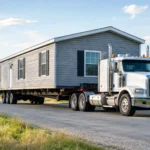
If you already own a manufactured home, affordability depends on compatibility. Moving a home to a site that cannot accept it can become costly very quickly. Before committing to a lot, provide the community with accurate information about your home, including its year, dimensions, manufacturer, condition, and current location.
Communities commonly have standards designed to protect residents, preserve curb appeal, and ensure homes can be installed safely. Those standards may address home age, exterior condition, roof type, skirting, siding, additions, and overall maintenance. They may also set limits based on the size of the lot or require specific installation steps.
This is not just paperwork. Clear community standards help create the clean, cared-for environment many residents want. A well-managed property should explain its requirements directly, answer questions respectfully, and let you know what improvements may be needed before move-in.
Ask whether the site has the appropriate utility connections, whether the pad fits your home, and whether any trees, decks, sheds, or parking areas affect placement. You should also ask who coordinates permits, transportation, installation, tie-downs, steps, and utility hookups. Those costs can vary by home type and local requirements, so request an estimate before making a final decision.
Compare Communities on Value, Not Price Alone
The lot rent matters, but the quality of the community affects your experience every day. As you narrow your choices, visit each property if possible. Pay attention to the details that show whether a community is actively cared for: road conditions, streetlights, landscaping, common areas, home sites, and the overall condition of the neighborhood.
A short visit can tell you a great deal. Are common areas clean? Do residents have room to walk, park, and enjoy their surroundings? Does the neighborhood feel orderly without feeling impersonal? The best communities combine clear standards with a genuine sense of belonging.
It is also reasonable to ask how maintenance requests are handled and who residents contact with questions. Responsive onsite management can make a major difference, particularly after move-in. When an issue comes up, you want to know there is a clear process and a team that takes the condition of the property seriously.
Consider these four value questions as you compare affordable lots:
- What is the total estimated monthly housing cost, including lot rent and utilities?
- Is the lot ready for my specific manufactured home, or will site work be required?
- What community rules, lease terms, and home standards apply?
- Does the property show consistent care, safety, and responsive management?
The most affordable option is often the one that gives you the fewest financial and practical surprises over time.
Read the Lease and Community Rules Before You Apply
Once you find a lot that fits your home and budget, review the lease carefully. The lease should explain the monthly rent, due date, fees, lease term, notice requirements, occupancy rules, pet policies, parking expectations, and resident responsibilities. If anything is unclear, ask for an explanation before signing.
Community rules deserve the same attention. Rules around exterior upkeep, storage, landscaping, vehicles, pets, and guest parking may feel detailed, but they are part of how a community protects the shared environment. A well-run community should apply standards fairly and communicate them clearly.
For households moving an existing home, ask whether approval is required before transport begins. Do not schedule a move based only on a verbal conversation or an assumed opening. Written approval, a completed application, and a confirmed site plan can help prevent expensive delays.
You may also need to plan for deposits, application fees, proof of insurance, and income or background screening. These steps are common and help communities maintain a stable environment for residents. Preparing your documents early can make the process easier when the right lot becomes available.
Keep Your Search Active and Organized
Lot availability is often limited, so a one-time search may not be enough. Keep a simple record of the communities you contact, their current pricing, site sizes, availability dates, and next steps. That way, you can follow up without starting over each time.
Be ready to act when a suitable lot opens. Have basic documents available, know the specifications of your home, and decide in advance what monthly cost is workable. Fast decisions should still be informed decisions, but preparation gives you more options when availability is competitive.
If moving your home is not the best fit, consider whether a home already located in a community may offer a simpler path. Renting or buying a home in place can reduce transportation and installation concerns, while still giving you the benefits of community living. Medallion Communities offers options for residents seeking a home as well as those who want to bring their own manufactured home into a community.
A good lot gives your home a foundation, but a good community gives your household room to settle in. Take the time to ask direct questions, compare the full cost, and choose a place where affordability is supported by care, clarity, and a neighborhood you can feel proud to call home.
![Camping Near [Landmark] for a Better Stay](https://medallioncommunities.com/wp-content/uploads/2026/10/camping-near-landmark-for-a-better-stay-featured-150x150.webp)