A rent number can look manageable on a listing and still strain a household budget by the end of the month. Housing affordability means having a place to live that fits not only the first payment, but also utilities, transportation, maintenance, insurance, and the everyday needs that make a home feel secure. For working families, retirees, and anyone rebuilding savings, that difference matters.
A truly affordable home creates room to plan. It allows residents to pay bills without constant trade-offs, stay near work or school when possible, and put energy into family life rather than worrying about the next unexpected expense. That is why the best housing decision is rarely based on rent or purchase price alone.
Housing affordability is a monthly equation
The advertised price is the starting point, not the full answer. Two homes with similar monthly payments can have very different real costs. One may be farther from work, require higher utility use, or come with recurring repair needs. Another may be located in a well-managed community where infrastructure, common areas, and resident services are consistently maintained.
For renters, it helps to ask what is included in the monthly payment and what is billed separately. Water, sewer, trash, electricity, internet, parking, and pet fees can all affect the total. For buyers, the equation can also include loan terms, property taxes, insurance, lot rent where applicable, and expected upkeep. A lower purchase price does not automatically mean a lower monthly cost.
Predictability is one of the most valuable parts of affordability. A household can plan around known expenses. It is much harder to plan around an aging roof, unreliable plumbing, sudden fees, or a commute that becomes more expensive each time gas prices rise. The goal is not simply to find the lowest number. It is to find a housing arrangement that remains workable month after month.
Why housing type changes the equation
Housing needs vary, and so do the paths to a more manageable budget. Apartments can offer convenience and fewer direct maintenance responsibilities, though rent increases and limited space may be concerns. Traditional single-family homes offer privacy and control, but often carry higher purchase prices, larger utility bills, and more repair responsibility.
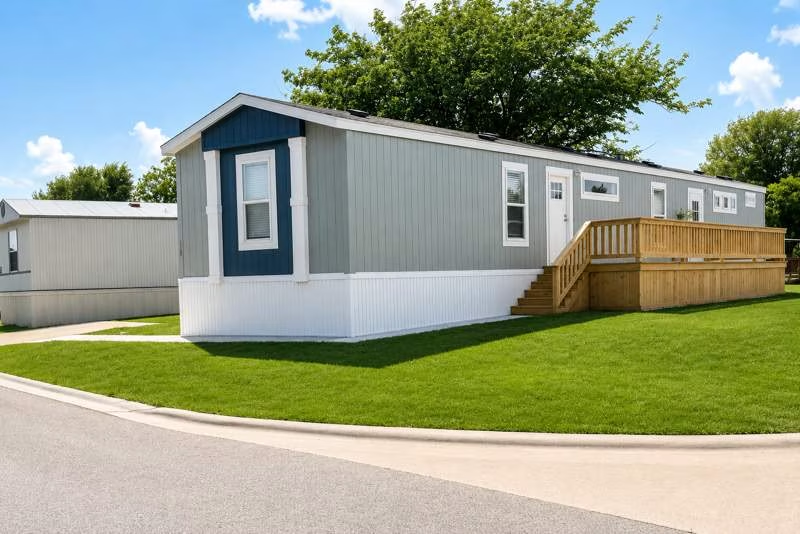
Manufactured homes can be a practical middle ground for households seeking more space, a neighborhood setting, and a lower entry cost than many site-built homes. In a professionally operated manufactured home community, residents may benefit from maintained roads, onsite management, established utility systems, and shared community standards. These details can make daily life more dependable while supporting a greater sense of belonging.
There are trade-offs to consider. Some manufactured homes are owned while the land is leased, which means buyers should understand the lot rent, community rules, and how those costs may change over time. Financing can also differ from a conventional mortgage depending on the home, land arrangement, and lender. Clear questions up front lead to better decisions later.
Location affects more than the commute
A home that costs less each month may lose its advantage if it adds significant travel time and fuel expense. Access to jobs, schools, grocery stores, health care, and family support can all influence what a household spends and how much time it has left after work.
That does not mean the closest home is always the right one. In growing markets across Arizona, Georgia, North Carolina, Tennessee, Texas, and Utah, households often weigh a central location against more space or lower costs in a nearby community. The right balance depends on a family’s schedule, transportation options, and long-term plans.
When comparing locations, think beyond miles. Consider traffic patterns, public transit availability, school pickup routines, access to urgent care, and whether the area supports the way your household actually lives. Convenience can be an affordability feature when it reduces recurring expenses and daily stress.
The value of a well-managed community
Management quality is easy to overlook during a quick home search, but it has a direct effect on the resident experience. Clean common areas, reliable communication, clear community standards, and responsive maintenance help protect the value of the place residents call home. They also reduce the uncertainty that can turn a reasonable housing cost into an ongoing frustration.
A well-maintained community is not only about appearance. Safe roads, functioning utilities, proper drainage, lighting, and attention to grounds contribute to comfort and stability. When an issue arises, residents should know how to reach the management team and what to expect next.
Digital tools can make that relationship simpler. Online portals for applications, rent payments, service requests, and account questions give residents more control over routine tasks. They are especially useful for people balancing work hours, family schedules, or travel. Technology does not replace attentive management, but it can make good service easier to access.
Ask practical questions before committing
A home visit is a chance to look past the model, floor plan, or promotional price. Pay attention to the condition of the neighborhood, the cleanliness of shared spaces, and whether community information is easy to understand. If you are considering a rental or a manufactured home purchase, ask for a clear breakdown of all regular costs.
Useful questions include:
- What does the monthly payment include, and which utilities are separate?
- Are there application fees, deposits, pet fees, or other recurring charges?
- How are maintenance requests submitted and handled?
- What community rules apply to parking, pets, outdoor spaces, and guests?
- What changes, if any, can residents expect at renewal or during the next year?
The answers should be direct. A housing provider that communicates clearly gives prospective residents a better basis for budgeting and a stronger sense of what life there will be like.
Affordability should support stability
The most affordable option is not always the smallest payment available today. It is the home that helps a household stay current on obligations, manage ordinary surprises, and keep moving toward its goals. For some people, that means renting while building savings. For others, it means purchasing a manufactured home, choosing a different location, or prioritizing a community with better upkeep and reliable management.
A sensible housing budget also leaves room for life outside the home. Food, child care, medical needs, transportation, savings, and occasional enjoyment are not extras to ignore. If housing takes every available dollar, a household has little protection when circumstances change.
Medallion Communities believes affordability and community care belong together. A well-kept place, clear communication, and responsive service can help residents focus less on housing uncertainty and more on building the life they want. When you compare homes, look for the monthly cost you can live with and the community standards you can count on.