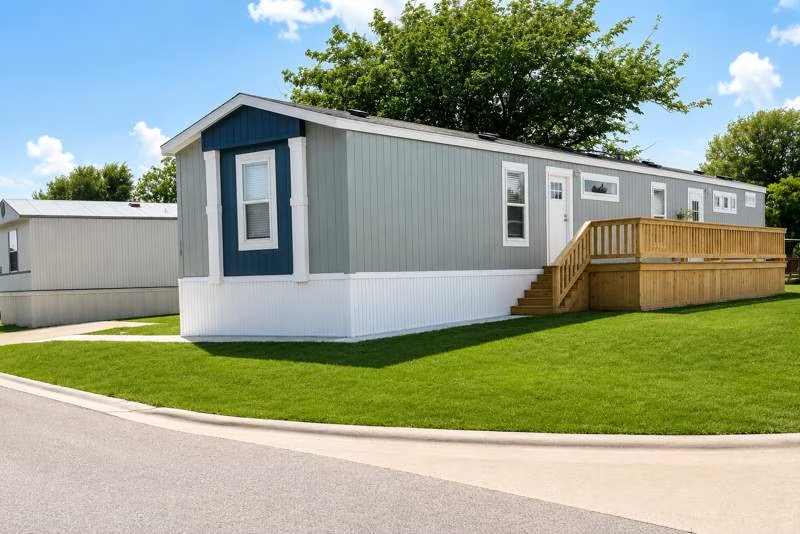
Sticker shock has changed the way people shop for housing. For many families, working adults, and retirees, the old path to a site-built home or a large apartment no longer feels practical. That shift is a big reason manufactured housing demand trends have moved into sharper focus. People are looking for housing that is attainable, predictable in cost, and part of a place that feels cared for.
What stands out right now is not just demand for a home at a lower price point. It is demand for a better everyday living experience. Residents want affordability, but they also want clean streets, responsive management, safe surroundings, and a neighborhood they can feel proud of. That combination is changing how manufactured home communities are viewed and why more households are considering them.
What manufactured housing demand trends are really showing
The clearest trend is simple: more households are seeking value without giving up stability. In many markets, monthly housing costs have risen faster than wages. Buyers face high mortgage rates and down payment barriers. Renters face apartment prices that leave little room in the budget for savings, childcare, transportation, or emergencies.
Manufactured housing meets that pressure point in a practical way. It often gives residents a more attainable path to housing than many site-built options, especially when the goal is long-term affordability. For some households, that means renting a manufactured home in a managed community. For others, it means buying a home at an entry-level price and gaining more control over their housing future.
This demand is not coming from one narrow group. It includes young families priced out of traditional homeownership, workers who want predictable monthly costs, older adults looking to simplify, and current manufactured homeowners searching for a better-managed place to move their home. That broad appeal matters because it suggests demand is tied to core housing needs, not a passing trend.
Affordability is still the biggest driver
Housing decisions usually become very clear when budgets tighten. People start asking sharper questions. Can I actually afford this month after month? Will utility costs, maintenance, and rent increases stay manageable? Is this a place where I can settle in rather than just get by?
Manufactured housing continues to attract attention because it often answers those questions better than many alternatives. A lower purchase price or rental rate can create breathing room. That breathing room may help a family handle groceries, school costs, car payments, or medical bills without feeling stretched to the limit.
Still, affordability alone does not close the deal. Residents have become more selective. They want to know what they are getting for the price. A community with poor upkeep, unclear standards, or weak management will not benefit from demand in the same way as a community that is visibly maintained and professionally run. The market is rewarding quality more than it used to.
The monthly payment matters more than the headline price
One reason demand remains strong is that households often shop based on monthly reality, not just purchase price. A home that looks affordable at first glance can become difficult if financing, insurance, utilities, and upkeep push costs too high. Manufactured housing tends to stay competitive because the overall monthly picture can be easier to manage.
That said, it depends on the home, the market, and the community. Newer homes, stronger amenities, and popular locations can raise costs. Even so, many residents still find the total value more compelling than nearby apartment rents or site-built home payments.
Community quality is now a major demand signal
One of the most important changes in recent years is that people are paying closer attention to the community itself. They are not just choosing a floor plan. They are choosing the setting around it.
That means demand is stronger in communities with clear property standards, maintained roads, good lighting, clean common areas, and management that responds when issues come up. Families want places where children can play outside and neighbors look out for one another. Working adults want a home they can return to without constant friction. Long-term residents want consistency and respect.
This is where perception is changing. Manufactured home community living is no longer judged only by price. It is increasingly judged by livability. Communities that invest in upkeep and resident experience stand out because they offer something many people feel is missing elsewhere: attainable housing with a real neighborhood feel.
Why reputation matters more than ever
Shoppers do their homework. They read reviews, ask residents questions, and compare how communities present themselves. A polished listing helps, but trust grows from visible details – clean grounds, honest communication, and signs of ongoing improvements.
That matters because many prospects arrive with outdated assumptions about manufactured housing. A well-managed community can quickly challenge those assumptions. In that sense, demand is growing fastest where operators treat the community as a long-term place to live, not just a set of lots to fill.
Location is shaping manufactured housing demand trends
Demand is not evenly distributed. It is strongest where households are feeling pressure from rising housing costs and where communities are close to jobs, schools, shopping, and transportation routes. People may be willing to move farther out for affordability, but not if the tradeoff creates long commutes or isolation.
That is why established communities in practical locations often have an advantage. Residents want attainable housing, but they also want daily life to work. A shorter drive, access to local services, and a community that feels connected to the surrounding area all strengthen demand.
Regional differences matter too. In some states, population growth and limited housing inventory are pushing more people toward manufactured housing. In others, aging housing stock and redevelopment pressure can tighten supply inside existing communities. Strong demand does not always mean easy availability.
Buyers and renters are both fueling growth
Another important shift is that demand is coming from both sides of the market. Some households are ready to buy because they want stability and a path toward homeownership. Others prefer to rent because they want flexibility, lower upfront costs, or time to improve their finances.
This matters because communities that offer both options can serve a wider range of needs. A renter today may become a buyer later. A buyer may first enter the community by renting and then decide to stay long term. That creates a more natural housing journey and gives residents options as their lives change.
There is also demand from homeowners who already own a manufactured home and need a quality community where they can move it. For them, management standards and infrastructure are especially important. They need confidence that the lot, utilities, and rules will support long-term living, not short-term convenience.
Digital convenience is influencing housing decisions
Housing search behavior has changed. People expect to browse available homes by location, compare pricing, submit applications online, and handle routine tasks without unnecessary delays. Communities that make this easy are better positioned to capture demand.
This does not mean digital tools replace personal service. It means they support it. Online listings, resident portals, and clear application steps reduce friction for people who are busy and budget-conscious. They also signal organization and professionalism, which builds trust early in the process.
For many prospects, the experience of searching for a home is part of the decision. If the process is confusing or incomplete, they may assume management will be the same after move-in. If it is clear and responsive, the community feels more dependable from the start.
The biggest wildcard is supply
Demand can be strong and still run into a hard limit: available homes and available lots. In many areas, there are not enough quality housing options to meet need. That puts pressure on existing manufactured home communities, especially those with good reputations.
New development can help, but it is not always simple. Zoning, infrastructure costs, and local resistance can slow expansion. At the same time, older communities may need upgrades to stay competitive. So while demand trends are favorable, growth depends on whether supply can keep pace and whether communities continue investing in the resident experience.
For operators like Medallion Communities, that creates both responsibility and opportunity. Residents are not just looking for lower costs. They are looking for belonging, safety, and management they can count on.
What to watch next
The next phase of demand will likely depend on a few connected forces: mortgage rates, apartment rent pressure, local housing shortages, and the quality gap between communities. If traditional housing stays expensive, demand for manufactured housing should remain steady. If communities keep improving standards and infrastructure, demand could strengthen even more.
The larger point is this: people are not settling for less. They are choosing more carefully. Manufactured housing is gaining attention because it can offer something many households need right now – a realistic path to stable housing in a community that feels welcoming and well cared for. For residents searching for value with dignity, that is not a backup plan. It is a smart move worth taking seriously.