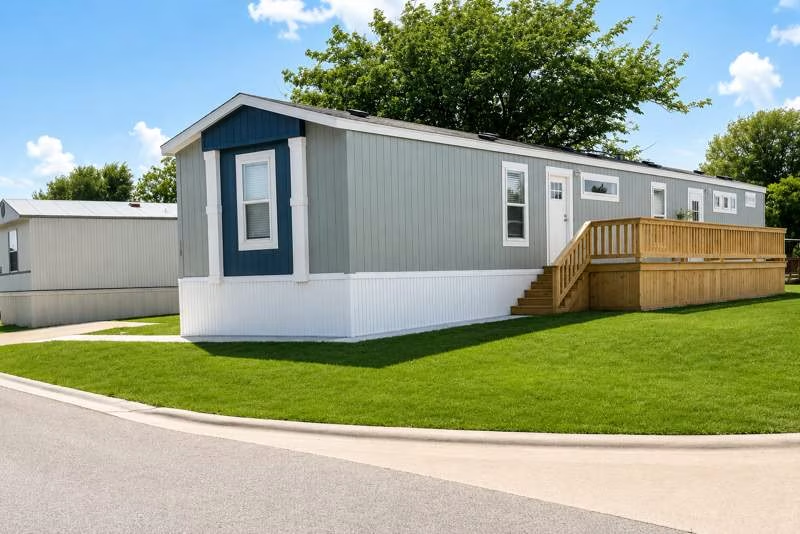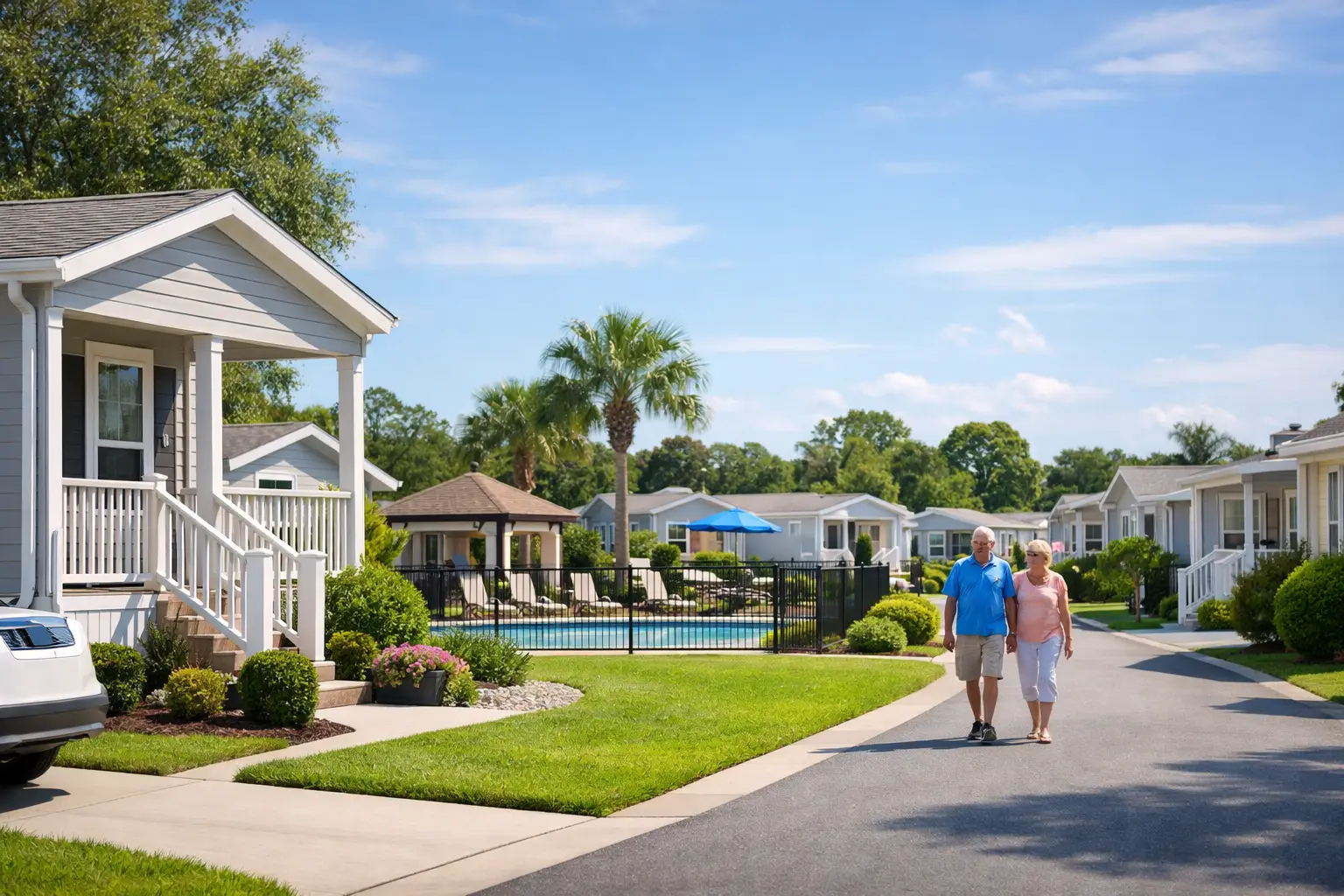
A well-kept entrance, clear streets, working lights, and homes that show care send a message before a prospective resident ever steps inside. Clean manufactured home communities are not defined by appearances alone. They reflect a daily commitment to the people who live there: a commitment to safety, respect, attainable housing, and a neighborhood residents can feel proud to call home.
For families, working adults, first-time buyers, and anyone seeking a more predictable place to live, cleanliness is part of the value of a community. It affects how it feels to come home after work, how comfortable children are playing outside, and how confident residents feel inviting friends and family over.
What Clean Manufactured Home Communities Look Like
Cleanliness is visible, but it is also operational. A community may have attractive landscaping on the day of a tour, yet long-term quality comes from consistent standards and attentive management. The best communities make care part of everyday life rather than a one-time project.
Cared-for streets, shared spaces, and infrastructure
Start with the common areas. Streets should be maintained, drainage should work as intended, and lighting should make roads and walkways easier to navigate after dark. Community spaces, mail areas, playgrounds, and clubhouses should feel usable and welcoming, not forgotten.
Landscaping matters, too, although it does not have to be elaborate to be effective. Trimmed grass, healthy trees, clear sidewalks, and trash areas that are properly managed create a more comfortable setting for everyone. These details show that shared spaces are treated as part of residents’ homes, not as an afterthought.
A clean community also pays attention to the practical systems people may not notice right away. Roads, water service, drainage, signage, and exterior lighting all require ongoing attention. Infrastructure improvements can make a meaningful difference in daily comfort, especially during heavy rain, winter weather, or evening commutes.
Homes and lots with respectful standards
A well-managed community should set reasonable expectations for home exteriors, yards, parking, and storage. These standards protect the appearance of the neighborhood, but their purpose is larger than curb appeal. They help create a setting where residents know their neighbors share a basic level of consideration for one another.
That does not mean every home must look the same or that residents should lose their individuality. A welcoming community leaves room for personal touches while maintaining standards that prevent neglected lots, unsafe conditions, and clutter from affecting the people nearby. Fair rules, clearly communicated and consistently applied, are a sign of thoughtful management.
Why Cleanliness Matters to Everyday Life
Clean surroundings affect more than a first impression. They influence how secure, settled, and connected people feel in their neighborhood. When streets are maintained and common areas are respected, residents are more likely to spend time outside, meet neighbors, and take pride in their own homes.
For parents and caregivers, a clean community can help make everyday routines easier. It is easier to walk the dog, take children outside, or return home late when the community feels orderly and well lit. For older residents and people with mobility concerns, maintained paths and streets can be especially meaningful.
There is also a financial dimension. Affordable housing should not require accepting poor upkeep or an uncertain living environment. A manufactured home community can offer attainable monthly costs while still providing the stability of clear standards, responsive support, and a neighborhood atmosphere. The exact cost of living will vary by location, home type, lot rent, utilities, and available amenities, but cleanliness should never be treated as an optional extra.
Management Makes the Difference
A clean property does not stay that way by accident. It takes a management team that is present, organized, and willing to address concerns before small issues become larger ones. Residents should know how to report maintenance needs, ask questions, make payments, and receive timely updates.
Strong management also creates accountability. When community expectations are clear from the beginning, residents have a better understanding of what is expected of them and what they can expect from the community. This helps reduce confusion and supports a more respectful environment for everyone.
At Medallion Communities, that responsibility is part of the larger goal of enriching lives through vibrant, inclusive neighborhoods. A community team should be more than a point of contact for paperwork. It should be a steward of the streets, amenities, and shared standards that shape quality of life.
Responsive management does not mean every request can be completed immediately. Weather, contractor availability, and the scope of a repair can affect timing. What residents should expect is communication, follow-through, and a team that treats their concern with respect.
How to Evaluate a Community Before You Move
A tour offers a valuable opportunity to look beyond the home itself. Visit at more than one time of day if possible. A community that looks quiet and tidy on a weekday morning may feel different in the evening, when lighting, parking, traffic flow, and activity are easier to assess.
Pay attention to the condition of roads, curbs, mailboxes, signs, drainage areas, and outdoor gathering spaces. Look at whether trash collection areas are maintained and whether homes generally appear cared for. One imperfect yard does not tell the whole story, but a consistent pattern of neglect is worth discussing.
Ask practical questions about community standards and support. How are maintenance requests submitted? Who handles common-area upkeep? What are the rules for parking, pets, home improvements, and outdoor storage? Are there community activities or shared amenities? Clear answers can reveal whether the management approach is organized and resident-focused.
It is also helpful to ask about the specific home and lot. If you are renting, understand what is included in the monthly payment and what responsibilities fall to the resident. If you are purchasing a home, ask about financing options, lot rent, utility arrangements, and any requirements for exterior maintenance. If you already own a manufactured home and plan to move it into a community, confirm lot availability, home-age requirements, installation standards, and the steps involved in the approval process.
Clean Does Not Mean Perfect
Every neighborhood has normal signs of daily life. Families have visitors, residents work different schedules, weather affects landscaping, and repairs may take time. A clean community is not one that looks staged or silent. It is one where issues are addressed, shared spaces are respected, and residents can see that care is ongoing.
It also helps to distinguish between reasonable community rules and rules that feel unclear or unevenly enforced. The right fit depends on your household. Someone who values a highly structured environment may prefer detailed appearance standards, while another resident may prioritize more flexibility. The key is transparency. You should understand the standards before moving in and feel confident they are applied fairly.
A Neighborhood Standard Worth Expecting
Manufactured home living has changed, and outdated assumptions deserve to be challenged. Today, many residents are looking for an attainable home without giving up the comfort of a connected, well-maintained neighborhood. Clean streets, responsive management, and respectful standards are not luxuries. They are part of what makes a community feel stable and welcoming.
As you compare housing options, look for the signals that last beyond move-in day: well-maintained common areas, clear communication, practical improvements, and neighbors who take pride in where they live. The right community gives you more than a place to park your home. It gives you room to settle in, build routines, and embrace the spirit of community.