A job change, rising rent, a growing family, or a desire for a better neighborhood can put one big question on the table: is buying a community home versus relocating the smarter move? The answer is rarely just about the price of a home. It is about how quickly you need to move, what you can afford each month, whether you already own a manufactured home, and the kind of daily life you want to build.
For many households, an established manufactured home community offers a practical path to housing stability without giving up the feeling of living in a neighborhood. Still, relocating a home you already own may be the better fit in certain situations. A clear comparison can help you make the decision with fewer surprises.
Buying a Community Home Versus Relocating: Start With Your Situation
Buying a home already located in a community and moving an existing manufactured home into a new community solve two different problems. A home purchase gives you a ready-to-live-in option. Relocation allows you to keep a home you know while changing its location.
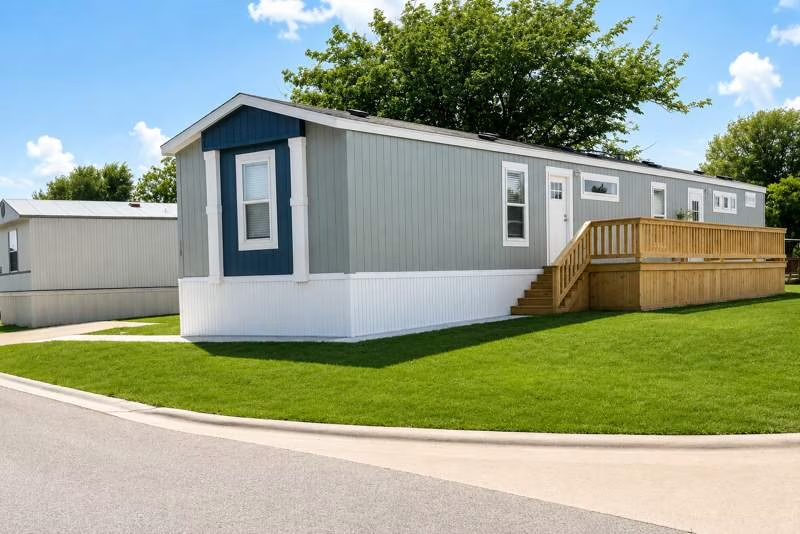
If you are currently renting, buying a community home may offer a more direct route toward homeownership. You can review available homes, compare prices, tour the neighborhood, and choose a home that fits your household. The home is already set on its site, connected to utilities, and positioned within the community.
If you already own a manufactured home that meets local and community requirements, relocating may preserve an asset you have invested in. This option can make sense when your current home is in good condition, suits your family, and can be moved safely. But it also comes with planning requirements that should be evaluated before you commit.
Neither choice is automatically less expensive. The better value depends on both the upfront costs and the costs you will carry month after month.
Compare the Full Cost, Not Just the Sale Price
A lower listing price can be appealing, but housing decisions work best when you look beyond one number. With a community home purchase, your costs may include the purchase price, financing expenses if applicable, closing costs, insurance, utility setup, and the monthly site rent. Depending on the home and community, you may also need to budget for updates, furnishings, or minor repairs.
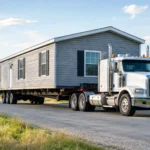
Relocating an existing manufactured home has a different cost structure. Transportation is only one part of the equation. Your budget may also need to cover professional disconnection and reconnection of utilities, permits, inspections, site preparation, foundation or anchoring work, skirting, steps, and repairs that arise during or after the move.
Older homes can be especially difficult to relocate. Some communities, municipalities, lenders, and insurers have age, condition, or construction standards. A home that has served your family well for years may still require an inspection or upgrades before it can be accepted at a new site.
Monthly affordability matters just as much as the initial investment. Ask for a clear picture of recurring expenses, including site rent, utilities, insurance, property taxes where applicable, and any loan payment. Predictable costs give working households more room to plan for groceries, transportation, healthcare, savings, and the unexpected.
Consider the Cost of Delays
A move that takes longer than expected can become expensive quickly. When buying an available home in a community, the timeline is often more straightforward because the home is already in place. You may be able to focus on approval, paperwork, and preparing for move-in.
Relocation timelines depend on permits, weather, transport scheduling, utility coordination, site readiness, and inspections. If you need to leave your current housing quickly, temporary housing or storage can add pressure to the budget. That does not mean relocation is the wrong choice. It means the timeline deserves the same attention as the price.
Evaluate the Home You Have and the Home You Need
Relocating can feel like the natural choice when you already own a home. Before deciding, take an honest look at whether that home still supports your next chapter. Think about bedrooms, storage, accessibility, energy efficiency, maintenance needs, and major systems such as the roof, HVAC, plumbing, and electrical service.
A move can place stress on a manufactured home, even when handled by qualified professionals. If the home needs significant repairs, the combined cost of relocation and improvements may be close to – or higher than – buying a different home already in the community you prefer.
On the other hand, a well-maintained home with a layout your family loves may be worth keeping. If you have made meaningful improvements or have built years of comfort into the space, preserving it can have emotional value as well as financial value.
Buying a community home gives you the opportunity to choose based on what you need now. A first-time buyer may prioritize an attainable entry point and lower maintenance needs. A family may need an extra bedroom or outdoor space. An older adult may value a single-level layout, easy access, and a neighborhood where management and property standards are visible.
The Community Is Part of the Decision
A home does not stand alone. Its surroundings affect your routines, your sense of security, and your long-term satisfaction. Before purchasing or relocating, visit the community at different times of day if possible. Notice the condition of streets, lighting, common areas, landscaping, and homesites. These details show how a community is cared for.
Ask how management handles maintenance concerns, resident communication, applications, and community rules. Clear standards are not a burden when they are applied fairly. They help protect the appearance of the neighborhood and support a respectful environment for everyone who lives there.
You should also understand what is included with the site and what is your responsibility. Confirm parking arrangements, pet policies, outdoor storage rules, improvements that require approval, utility billing, and any requirements for homes being moved in. Getting answers before you sign or schedule a move prevents frustration later.
Well-managed communities can offer more than an address. They create the conditions for neighbors to feel at home: maintained infrastructure, responsive onsite support, and shared spaces or activities that encourage connection. At Medallion Communities, that focus on belonging is paired with attentive management and practical tools that help residents handle everyday needs.
Questions Worth Asking Before You Commit
A short conversation with community management can clarify whether your plan is realistic. Be prepared to ask about these key points:
- What are the total move-in costs and ongoing monthly costs?
- Is the available site suitable for my home’s size, age, and condition?
- Which permits, inspections, and installation requirements apply?
- What is the expected approval and move-in timeline?
- What rules help maintain the community, and what responsibilities remain mine?
For a home purchase, also ask about the home’s condition, included appliances, warranty coverage if available, and any repairs planned before move-in. For a relocation, ask for requirements in writing before spending money on transport.
Choose Based on Stability, Not Pressure
The right decision should support your life six months and six years from now. Buying may be the stronger choice when you need a faster move, want a home that is already installed, or prefer to avoid the uncertainty of transporting an older home. It can also be a practical option for households who want to select from available homes and settle into an established neighborhood sooner.
Relocating may be worthwhile when you own a newer, well-maintained manufactured home, have confirmed that it meets the receiving community’s standards, and can manage the full cost and timeline of the move. It can be especially appealing when the home itself remains a great fit, but the current location no longer does.
Avoid letting urgency make every decision for you. A low purchase price is not a bargain if the monthly costs strain your budget. Keeping your current home is not automatically economical if moving it requires extensive repair work. The strongest choice is the one that gives your household a realistic payment, a workable timeline, and a place where you can feel settled.
A good home decision creates room for ordinary, meaningful life: a calmer morning routine, neighbors you recognize, a well-kept street to come home to, and confidence that your housing supports the future you are working toward.
![Camping Near [Landmark] for a Better Stay](https://medallioncommunities.com/wp-content/uploads/2026/10/camping-near-landmark-for-a-better-stay-featured-150x150.webp)