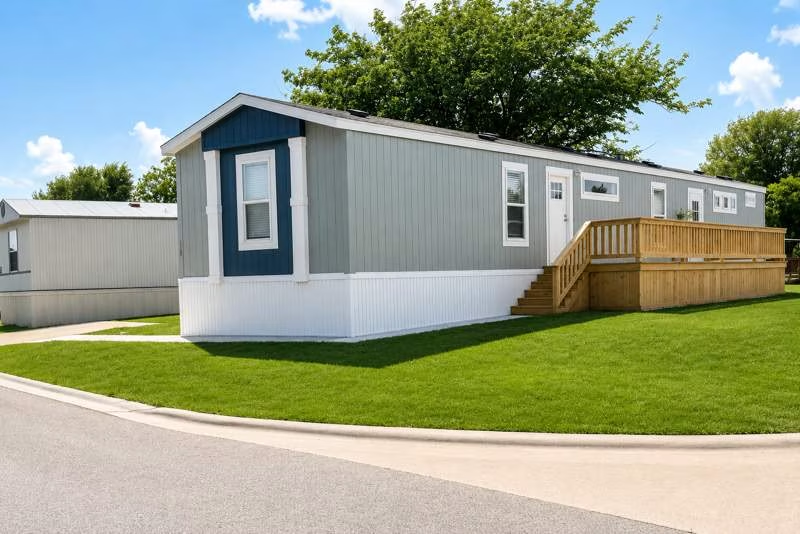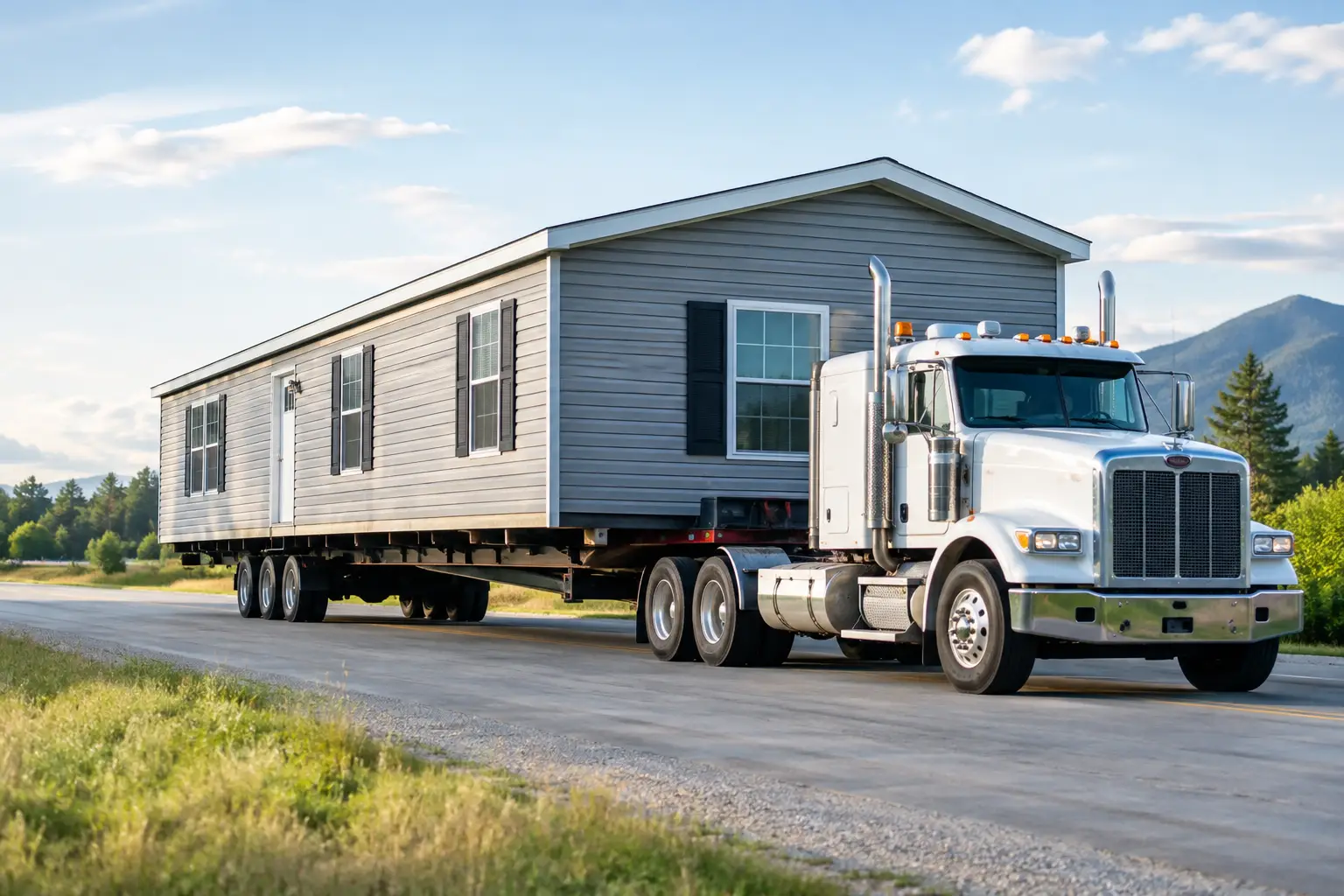
A manufactured home can offer the flexibility to move without giving up the comfort of home, but the process is far more involved than arranging a tow. To relocate manufactured homes safely, homeowners need a qualified moving team, a destination site that is ready for installation, and a clear understanding of local requirements before the first section leaves the lot.
Moving a home can make sense when a family finds a better community, needs to be closer to work or loved ones, or wants to preserve a home they already know and enjoy. It can also be expensive. The best decision comes from comparing the full cost of relocation with the cost of purchasing or renting a home that is already placed in the right location.
Start With the Home’s Eligibility
Not every manufactured home is a practical candidate for relocation. Age, condition, construction type, and local rules all matter. Before requesting transport quotes, have a professional assess the home and confirm that it can be moved safely.
A newer home in good condition is generally easier to relocate than an older unit with structural wear, water damage, roof issues, or significant additions. Homes that have been permanently altered with porches, carports, decks, attached rooms, or masonry skirting require additional work. Those features usually must be removed before transport and may need to be rebuilt at the new site.
The destination can be just as limiting as the home itself. Some communities and jurisdictions have standards related to the age, appearance, size, or condition of incoming homes. Ask early whether the community accepts relocated homes and what documentation is required. A straightforward conversation before scheduling a move can prevent a costly change of plans later.
Know the Permits and Local Requirements
Manufactured homes travel on public roads, so their move is regulated at several levels. Requirements vary by state, county, city, and route. The mover typically obtains transportation permits, but homeowners should still understand who is responsible for each step.
Depending on the location, you may need proof of ownership, a clear title, current registration, tax clearance, proof that liens have been released, or an inspection. Some areas also require permits for installation, utility connections, foundation or anchoring work, and occupancy after the home is set.
If you are moving across county or state lines, expect more coordination. The home may need to meet destination standards that differ from those at its current location. Rules can also affect transport timing, route selection, escort vehicles, and the maximum dimensions that can travel on certain roads.
A reputable mover and a well-managed community can help clarify the sequence. Still, do not assume a verbal approval is enough. Keep written confirmation of community acceptance, site requirements, utility plans, and expected move dates.
Compare the True Cost to Relocate Manufactured Homes
The transport quote is only one part of the budget. Moving a manufactured home often involves preparation, hauling, site work, setup, utility connections, inspections, and repairs. The final amount depends heavily on distance, home size, local labor rates, road conditions, and whether the destination site is ready.
For a realistic comparison, ask for itemized estimates rather than a single broad number. A full relocation budget may include:
- Detaching and removing skirting, decks, awnings, steps, and other exterior features
- Lifting, blocking, tire and axle work, and preparing one or more home sections for transport
- Permits, route surveys, escort vehicles, and transportation fees
- Lot preparation, grading, foundation supports, anchors, and new skirting
- Electrical, water, sewer, gas, HVAC, and internet connections
- Repairs caused by age, road travel, or the transition to a new site
It is wise to reserve a contingency fund. A route may require a detour, weather can delay the schedule, or an inspection may reveal work that was not visible at the beginning. The lowest transport estimate is not always the best value if it leaves major setup responsibilities unclear.
Choose a Licensed, Experienced Moving Team
This is not a standard household move. Manufactured-home transport requires specialized equipment, licensed drivers, installation knowledge, and insurance coverage appropriate for the work. Ask movers how long they have been relocating homes, whether they handle permits, and what portions of the process they perform directly.
Request proof of licensing and insurance, then confirm what is covered during transport and what is not. Road movement can create risks, particularly for older homes. Clarify responsibility for damage, weather delays, utility disconnections, and any issues discovered once the home arrives.
A dependable mover should be willing to inspect the home and destination site before providing a firm plan. Be cautious of a quote that seems unusually low or a company that cannot explain its permit, routing, setup, and insurance process in plain language.
Prepare the Current Home and Lot
Preparation protects both the home and the schedule. Begin by removing personal belongings, especially breakable items, wall décor, heavy furniture, and anything that could shift during movement. Cabinets may need to be secured, and appliances may need special preparation according to the mover’s instructions.
Utilities must be disconnected by qualified professionals. This can include electricity, water, sewer, gas, propane, cable, and phone service. Do not schedule shutoffs too early, since the home may need access to certain services while final preparations are underway. Your mover can help coordinate the ideal timing.
Exterior additions need attention as well. Skirting, steps, decks, attached sheds, fencing, landscaping, and satellite equipment can all affect access. Make sure there is a clear path for crews and transport equipment, including enough turning space to leave the current lot.
Make Sure the New Homesite Is Truly Ready
A beautiful community is only part of the equation. The individual site must support the home’s size, orientation, utilities, and installation needs. Before transport day, confirm lot dimensions, driveway access, pad condition, drainage, setbacks, and the location of utility connections.
The site should be graded correctly to direct water away from the home. Foundation supports and anchoring systems must meet applicable standards for the area, including wind and soil conditions. In states with different climate considerations, a home may also need specific frost protection, drainage work, or utility measures.
If the home is entering a manufactured home community, ask whether management coordinates any portion of the setup or requires approved installers. Communities that prioritize clean grounds, reliable infrastructure, and attentive onsite management often have clear move-in procedures. That structure can make the transition less stressful for everyone involved.
Plan for Setup, Inspections, and Final Repairs
Arrival at the site is a major milestone, not the final step. Once the home is positioned, installers level it, secure it, connect sections when applicable, complete weatherproofing, and install skirting and steps. Licensed professionals then handle utility connections and any required testing.
Inspections may occur before utilities are turned on or before the home can be occupied. Build flexibility into your move timeline, especially if you are coordinating a lease ending, school enrollment, or a temporary place to stay. It may take longer than expected to finish small repairs, restore trim, adjust doors and windows, and reconnect appliances after a move.
Take photos before the home is prepared, during transport, and after setup. Keep copies of estimates, permits, inspection records, receipts, and warranties in one place. These records are useful for insurance questions, future maintenance, and resale.
Decide Whether Moving Is the Right Choice
Relocation may be worthwhile when the home is in strong condition, the distance is reasonable, and the new site is a good long-term fit. It can be especially appealing when moving into a community that provides the location, upkeep, and sense of belonging your household wants.
On the other hand, purchasing a home already installed may be more practical if the current home needs extensive repairs, the move is long-distance, or the destination requires major site work. There is no one answer that fits every household. The right choice is the one that balances your budget, timeline, and peace of mind.
A careful plan turns a complicated move into a manageable next step. Ask direct questions, get every major cost in writing, and choose partners who treat your home and your future community with care.