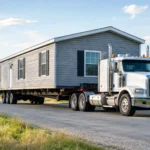
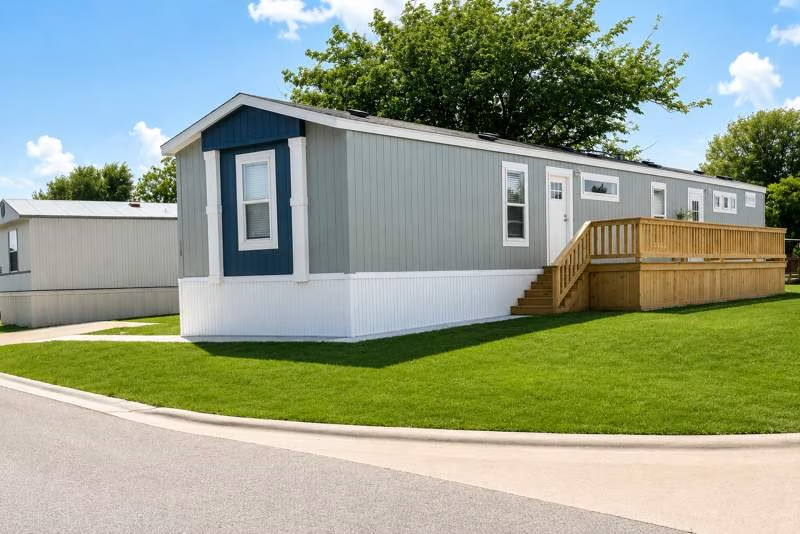
Moving a manufactured home is not like moving furniture from one address to another. You are moving a structure, coordinating multiple specialists, and making sure the home arrives ready for safe, comfortable living. A good guide to relocating a manufactured home starts with that reality, because the smoothest moves happen when expectations are clear from day one.
For many homeowners, relocation is about more than transport. It is about finding a community that feels stable, well cared for, and worth the effort of the move. If you already own your home, the goal is not just to get it from point A to point B. It is to place it somewhere that supports your budget, your routine, and your sense of belonging.
What to know before relocating a manufactured home
The first question is simple: can the home be moved? The answer depends on its age, condition, size, and the rules in both the county it is leaving and the county it is entering. Some older homes may not meet current standards for transport or reinstallation. In other cases, the home is technically movable, but the cost of relocation may be higher than expected once escorts, permits, utility disconnection, setup, and repairs are added in.
That is why the planning stage matters so much. Before you schedule anything, confirm the home’s exact dimensions, year, serial information, and current title status. You will also want to verify whether taxes, lot rent, or local fees must be paid before a permit is issued. A small paperwork issue can delay a move for weeks.
Condition matters too. A home that has been in place for years may need skirting removed, axles reattached, tires replaced, or structural components inspected before it can safely travel. Cosmetic wear is one thing. Frame issues, weak floors, roof damage, or water intrusion are another. Those problems do not always make a move impossible, but they can change the cost and the risk.
A practical guide to relocating a manufactured home
The most reliable approach is to think of the move in phases. First comes evaluation, then site approval, then transport planning, and finally installation. Trying to do these out of order is where many homeowners run into trouble.
Start by speaking with the destination community before you hire a mover. This step is easy to overlook, especially if you are focused on logistics, but it is one of the most important. Communities often have home-age guidelines, size requirements, lot specifications, and appearance standards. They may also need photos, home details, or inspection records before approving the move-in.
That can feel strict at first, but it protects everyone. Well-managed communities set standards because residents want clean streets, safe infrastructure, and homes that fit the neighborhood. If you are making the investment to relocate, it makes sense to move somewhere that values long-term upkeep.
Once the site is approved, line up a licensed manufactured home mover. This is not a job for a general moving company. You need a transporter that understands state rules, route restrictions, escort requirements, and home preparation. Ask what is included in their quote. Some movers handle teardown, transport, and reset. Others only handle the road portion, leaving you to arrange permits, utility work, steps, skirting, anchors, and final leveling separately.
That difference matters because the lowest quote is not always the lowest total cost.
Costs can vary more than most people expect
If you are looking for a hard number, that is where any honest guide to relocating a manufactured home has to say: it depends. Distance is only one part of pricing. A short move with difficult road access, utility work, and extensive setup can cost more than a longer move with fewer complications.
Single-section homes generally cost less to move than multi-section homes because there are fewer transport pieces and fewer setup steps on arrival. But even for a single-section home, costs can rise if the route includes narrow roads, low clearances, special escorts, or permit complexity. Add in utility disconnect and reconnect, foundation work, anchoring, skirting, stairs, HVAC reconnection, and possible repairs after transport, and the total can climb quickly.
This is why homeowners should budget beyond the transport invoice. A realistic relocation budget usually includes site preparation, inspections, utility coordination, and a cushion for the unexpected. Homes that travel well still may need touch-up work once they are set.
Permits, inspections, and title details
The paperwork side of a move is rarely exciting, but it is where a lot of delays begin. Different states and counties have different rules, and those rules may cover title transfer, tax clearance, transport permits, setup permits, and occupancy requirements.
In many cases, you cannot legally move the home until local taxes are current and the title information matches the owner’s records. If there is a lien on the home, lender approval may also be required. If the home is crossing state lines, the process may become more detailed.
Inspections can happen before the move, after the move, or both. Some jurisdictions want confirmation that the home is safe to transport. Others focus on installation standards at the destination, including tie-downs, blocking, utility hookups, and code compliance. The best way to avoid surprises is to ask both the current jurisdiction and the destination community what documentation they require.
Preparing the home and the site
Relocation is really two projects: getting the home ready to leave and getting the lot ready to receive it. Both have to be handled carefully.
At the current site, the home must be disconnected from utilities, detached from any added structures, and prepared for transport. That may include removing porches, carports, skirting, decks, and attached storage areas. Inside the home, cabinets may need securing, breakables packed, and loose items removed.
At the destination, the lot needs to be ready on time. If the home arrives before the site is prepared, storage or rescheduling costs can follow. The pad or foundation area should meet local requirements, and utility access should be confirmed before delivery day. Timing matters here. A beautiful lot is not move-in ready if water, sewer, and electric are still waiting on approval.
This is one reason many homeowners prefer an established, professionally managed community. When roads, lots, lighting, and infrastructure are maintained with care, the relocation process tends to be more predictable. That does not eliminate every issue, but it reduces the odds of avoidable surprises.
Choosing the right community for your move
Relocating a home is a major effort, so the destination should earn that effort. Price matters, of course, but it should not be the only factor. Look at how the community is maintained. Are the streets in good condition? Does management communicate clearly? Are standards enforced fairly? Do residents appear settled and comfortable?
Those details shape daily life more than a temporary discount ever will. Families and working households usually want the same basics: a neighborhood that feels safe, a property that is kept up, and management that responds when something needs attention. A move is a chance to improve not just your address, but your overall living experience.
If you are considering bringing your home into a community like Medallion Communities, ask early about lot availability, home qualifications, application steps, and utility expectations. Clear answers upfront make it easier to plan your budget and your timeline with confidence.
Common setbacks and how to think about them
Weather can delay transport. Permit offices can move slowly. Utility scheduling can shift. A mover may find route issues that were not obvious at the start. None of that means the relocation was a bad idea. It means this kind of move works best when you build in margin.
Try not to plan the move around an overly tight deadline. If school, work, or lease timing makes that difficult, talk through the calendar with every party involved before anything is booked. The transporter, community office, utility providers, and setup crew should all have a realistic timeline.
It also helps to think long term. Spending a little more for proper setup, reliable contractors, and a community with strong standards can save money and stress later. A rushed move into the wrong place often costs more than a well-planned move into the right one.
Relocating a manufactured home is a serious project, but it can also be a smart step toward more stable and affordable living. When you plan carefully, ask the right questions, and choose a community that takes pride in how people live, the move becomes more than transportation. It becomes a fresh start with a stronger foundation.
![Camping Near [Landmark] for a Better Stay](https://medallioncommunities.com/wp-content/uploads/2026/10/camping-near-landmark-for-a-better-stay-featured-150x150.webp)