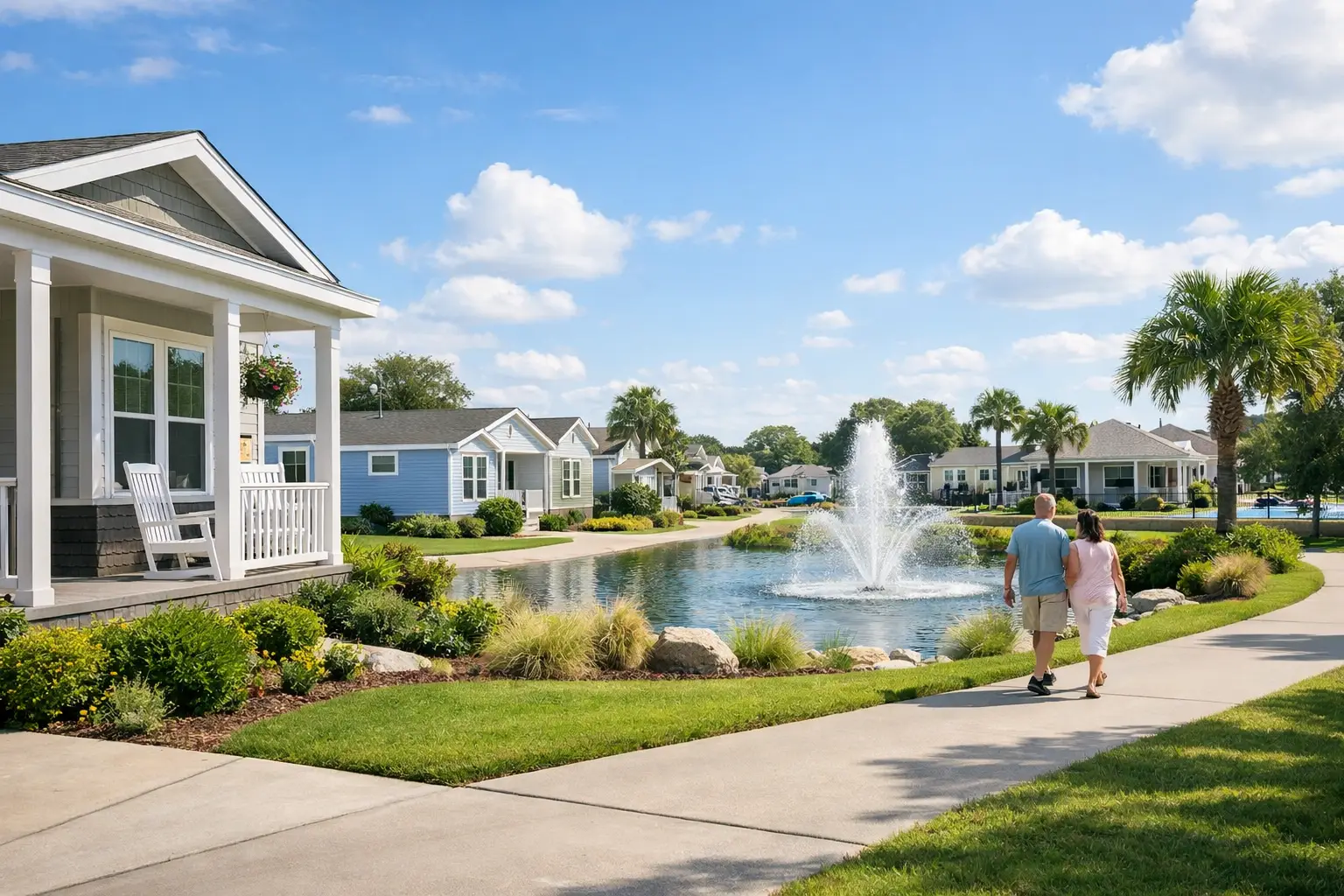
A clean manufactured community living experience is visible before you step inside a home. It shows up in cared-for lots, clear streets, working lights, tidy shared spaces, and the feeling that people take pride in where they live. For families, working adults, renters, and first-time buyers, those details are not cosmetic. They shape comfort, safety, and confidence in a place you may call home for years.
Cleanliness is also about consistency. A community can look great on the day you tour it, but long-term quality comes from regular maintenance, fair standards, and a management team that follows through. The strongest communities create an environment where residents can focus on their lives, not worry about whether common areas, roads, or neighborhood concerns will be ignored.
Clean Manufactured Community Living Is About Daily Life
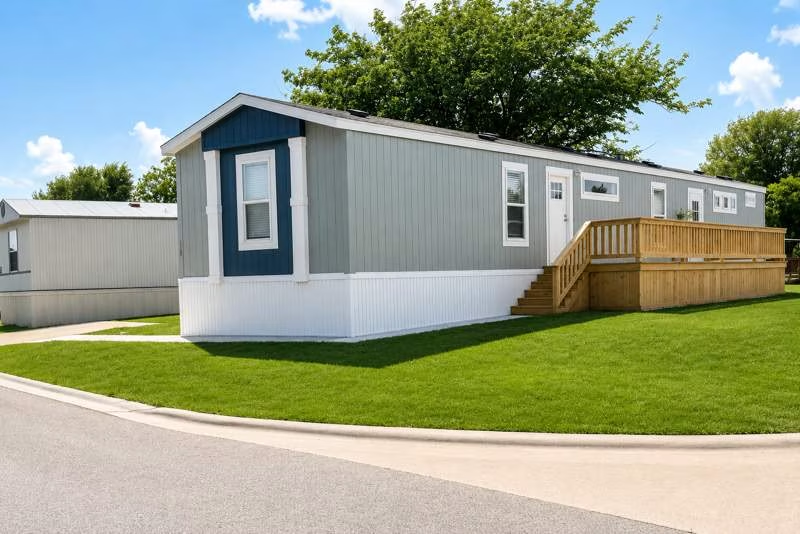
A well-kept community starts with the basics: homesites that are maintained, roads that are cared for, landscaping that is not left to decline, and waste areas that are managed responsibly. These are practical signs that a community is being actively stewarded. They also make everyday routines more pleasant, whether you are walking the dog, heading to work before sunrise, or watching your children play outside.
But clean living is bigger than appearance. It reflects the standards residents share and the systems management has in place. Clear community guidelines help set expectations for home exteriors, vehicles, pets, noise, and common spaces. When those guidelines are applied respectfully and consistently, they protect the neighborhood feel that residents value.
That does not mean a clean community should feel overly restrictive. People need room to live, celebrate, host family, and make a home their own. The right balance is one that supports individuality while preventing a few neglected homesites or repeated disruptions from affecting everyone else. Good management understands that balance and communicates it clearly.
Why Property Upkeep Builds Trust
Many people considering manufactured housing are looking for a more attainable monthly cost without sacrificing stability. They may be comparing a manufactured home rental with an apartment, or considering homeownership for the first time. In either case, the condition of the community matters as much as the features of the home.
Reliable upkeep signals that the community is planning for the long term. Street repairs, lighting improvements, drainage attention, landscaping, and clean amenity areas may not be the flashiest parts of a neighborhood, but they are meaningful. They can improve visibility at night, make travel through the property easier, and give residents confidence that concerns are being addressed.
Responsive management matters just as much. A resident should know where to turn with a maintenance concern, a question about community policies, or an issue that affects their homesite. Digital tools such as an online resident portal can make routine tasks like paying rent and submitting requests more convenient. Still, technology works best when it supports real accountability. A request should be acknowledged, communication should be clear, and residents should feel treated with respect.
At Medallion Communities, the goal is not simply to provide a place to park a manufactured home or rent a house. It is to foster communities where clean surroundings, attentive management, and a sense of belonging support a better day-to-day experience.
The Shared Role Residents Play
Management can maintain infrastructure and enforce community standards, but a welcoming neighborhood is a shared effort. Residents contribute when they care for their homesites, dispose of trash properly, follow parking expectations, and treat neighbors with consideration. These actions may sound ordinary, yet they have a real effect on the community’s appearance and atmosphere.
A culture of mutual respect often starts with small moments. Neighbors pick up after pets. Visitors park in appropriate areas. Residents report a damaged streetlight instead of assuming someone else will handle it. Parents and children feel more comfortable using shared spaces when those spaces are clean and well cared for.
For homeowners moving an existing manufactured home into a community, this shared responsibility is especially relevant. Before making a move, it helps to understand the community’s standards for home condition, setup, skirting, landscaping, and lot maintenance. These requirements are not simply hurdles to clear. They help preserve a neighborhood where each resident’s investment is treated with care.
What to Look for During a Community Tour
A tour gives you the chance to look beyond a listing price or a photo of a home. Visit at a time when you can see how the community functions. Notice whether residents appear comfortable outside, whether roads and common areas are maintained, and whether the property feels organized without feeling impersonal.
Pay attention to several practical details:
- The condition of streets, signage, lighting, and drainage areas.
- The upkeep of homesites and shared spaces such as a clubhouse, playground, or mail area.
- The availability of parking and the way vehicles are managed throughout the property.
- The clarity of community rules and how staff explain them.
- The process for rent payments, service requests, applications, and resident communication.
Ask direct questions while you are there. How are maintenance requests submitted? Who should residents contact after hours? Are there standards for exterior improvements or pets? What is included in the monthly payment, and which utilities or services are separate? Clear answers help you compare communities fairly and avoid surprises later.
It is also reasonable to ask about the neighborhood’s approach to resident concerns. No community is free from occasional issues. What matters is whether there is a practical process for addressing them. A professional team will not promise perfection, but it should be able to explain how concerns are documented, communicated, and resolved.
Affordability Should Not Mean Lower Expectations
Manufactured home communities offer an opportunity to pursue attainable housing with more space, privacy, and neighborhood connection than many alternatives. For some households, renting a manufactured home provides predictability while they build savings. For others, buying a home in a managed community can be a meaningful step toward ownership. The best option depends on your finances, timeline, and comfort with responsibilities such as home maintenance.
Affordability also means looking at the full picture. A lower advertised rent or home price may be attractive, but residents should understand lot rent, utilities, deposits, insurance, application requirements, and any costs associated with moving a home. A transparent community makes these details easier to understand upfront.
Clean, well-managed surroundings can be part of that value equation. They support the quality of life residents want from their housing choice: a comfortable home, a neighborhood that feels cared for, and clear expectations from the people managing the property. The goal is not luxury for its own sake. It is dependable living that respects your budget and your time.
A Neighborhood You Can Feel Good Coming Home To
The perception of manufactured housing has often been shaped by outdated assumptions. Today, residents are right to expect more: a maintained property, a responsive team, a stable place for their household, and neighbors who share a basic respect for the community. Clean manufactured community living puts those expectations into action through visible care and everyday follow-through.
If you are evaluating your next home, trust what you can observe. Walk the streets, ask how the community is managed, and picture your ordinary routines there. The right community will make it easier to imagine not just where you will live, but how you will feel when you come home.
![Camping Near [Landmark] for a Better Stay](https://medallioncommunities.com/wp-content/uploads/2026/10/camping-near-landmark-for-a-better-stay-featured-150x150.webp)