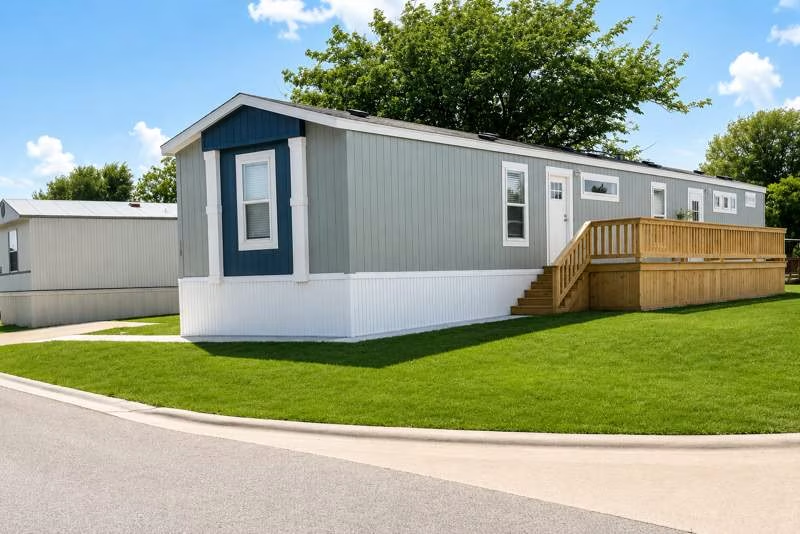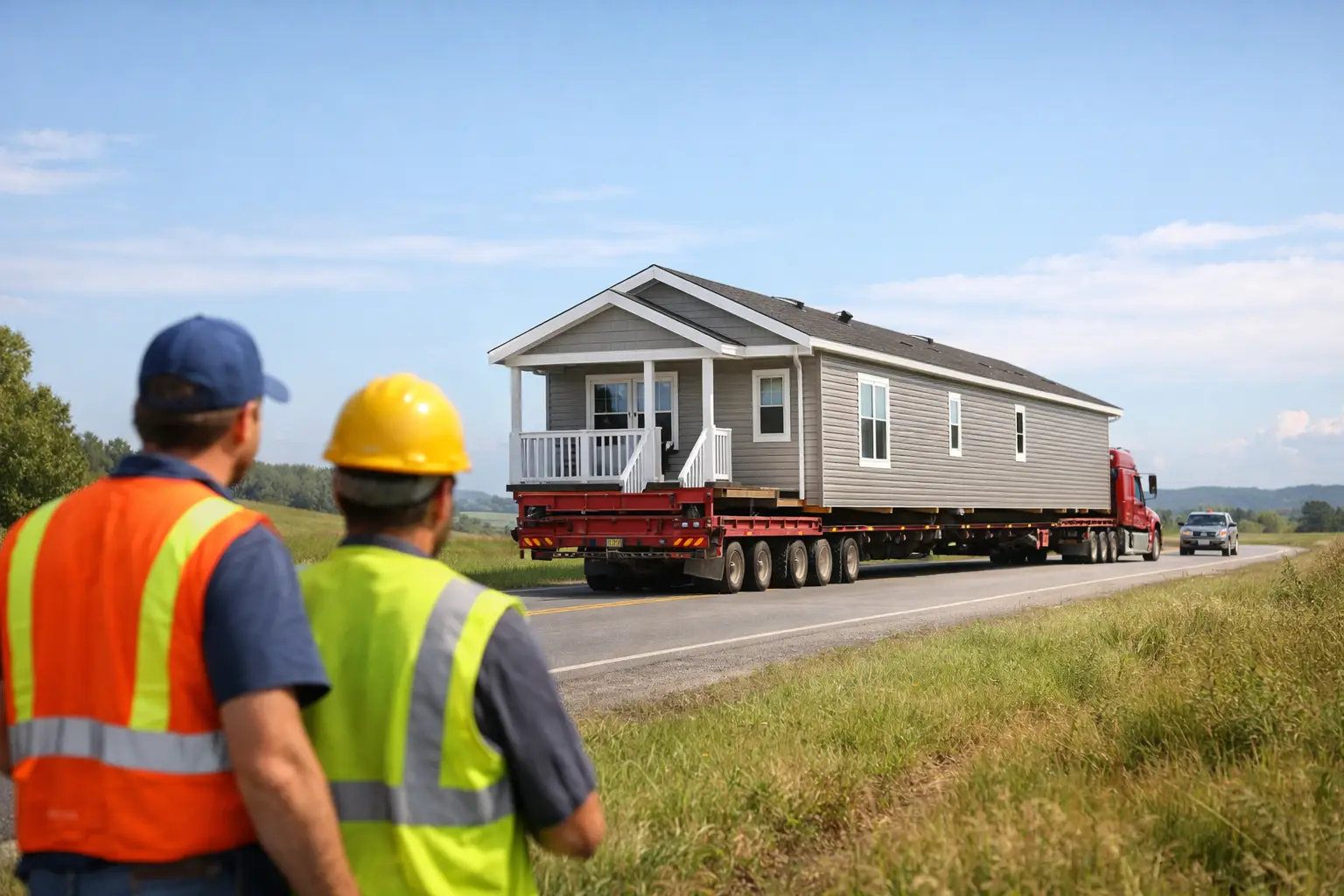
Moving a manufactured home is not like booking a moving truck and picking a weekend. If you are figuring out how to move your manufactured home in to a new community, the real work starts well before the home ever hits the road. Permits, inspections, transport planning, site preparation, and community requirements all have to line up.
That can feel like a lot, especially when your goal is simple: bring the home you already own into a clean, well-managed neighborhood where you can settle in with confidence. The good news is that a successful move is very possible when you handle it in the right order.
How to move your manufactured home in without costly delays
The biggest mistake homeowners make is assuming the move starts with transportation. In reality, transportation is only one part of the process. Before a mover can haul your home, you need to confirm that the destination community accepts moved-in homes, that your home meets age and condition standards, and that the site will be ready when the home arrives.
This matters because every delay creates another cost. If the lot is not prepared, if utility connections are not scheduled, or if required documents are missing, your home may sit in staging longer than expected. That can add transport fees, storage charges, or extra setup costs.
A smoother move usually comes down to coordination. You are not just moving a structure. You are syncing the community office, the transport company, installers, inspectors, and utility providers.
Start with community approval
Before you spend money on transport, confirm that the community will approve your home. This is the first step for a reason. A manufactured home community may have standards related to the age of the home, its size, exterior condition, roof type, skirting expectations, and overall appearance.
These standards are not just red tape. They help protect the look, safety, and long-term value of the neighborhood. If you are moving into a community because you want a place that feels cared for, these requirements are part of what makes that possible.
You should expect to provide details about the year, manufacturer, dimensions, serial or VIN information, and current condition of the home. In some cases, recent photos will be required. Some communities may also ask for proof of ownership and confirmation that the title is clear.
If the home needs cosmetic repairs before approval, it is better to know that upfront than after you have already hired a mover.
Understand whether your home can be moved
Not every manufactured home should be moved, even if it technically can be. Age, structural condition, and prior installation quality all affect whether relocation makes sense.
A home that has already been moved once may be more vulnerable during a second move, depending on its condition. Older homes can present challenges if the frame, axles, hitch components, flooring, roof, or exterior panels have wear that makes transport riskier. Sometimes the cost to repair and move an older home comes close to the value of the home itself.
That does not automatically mean the move is a bad idea. It means you should look at the full picture. If your home is in good shape, fits the lot, and lets you move into a stable, community-focused setting with predictable monthly costs, the investment may still make excellent sense.
A qualified manufactured home mover or installer can inspect the home and tell you whether it is transport-ready. That opinion is worth getting early.
Gather the paperwork before scheduling the move
Once the community gives preliminary approval, paperwork becomes the next priority. Moving companies and local authorities will usually need specific documents before they can proceed.
That often includes the home title, tax clearance if required by your state, transport permits, proof that utilities have been disconnected at the current site, and any community-specific forms tied to move-in approval. Depending on the state, county, or city, requirements can vary quite a bit.
This is where homeowners lose time. One missing form can push everything back by days or even weeks. It helps to create a simple checklist and confirm who is responsible for each item. Sometimes you handle the permit applications. Sometimes the mover does. Sometimes the installer or community office needs to coordinate inspections.
Never assume everyone is handling the same detail. Ask directly.
Hire specialists, not general movers
If you are researching how to move your manufactured home in, choose companies that specifically handle manufactured home transport and setup. This is not a job for a standard household moving company.
A manufactured home mover understands escort requirements, route restrictions, axle and tire preparation, home separation for multi-section units, and state transport rules. A licensed installer handles blocking, leveling, anchoring, and final setup according to local code and site requirements.
You may also need separate contractors for skirting, steps, utility hookups, HVAC reconnects, and porches or decks. In some cases, one company can coordinate multiple parts of the job. In others, you will need to manage several vendors.
Price matters, but reliability matters more. A lower quote can become expensive if it leaves out teardown, permits, pilot cars, reinstallation, or weather-related contingencies.
Prepare the home for transport
Before the home can move, it has to be disconnected and made road-ready. That usually means removing skirting, steps, awnings, attached structures, and any additions that cannot travel with the home. Utility lines must be safely disconnected, and the home may need tire, axle, and hitch work depending on its condition.
Inside the home, secure anything that could shift. Remove fragile items, loose shelving, mirrors, and valuables. Even a careful move puts stress on the structure, and the less interior movement you allow, the better.
This stage often reveals hidden issues. Water damage, soft flooring, or weak structural points may need repair before the move can continue. It is frustrating when that happens, but it is far better to address those issues before the home is on the road.
Make sure the lot is actually ready
A lot being available is not the same as a lot being ready. Site preparation needs to be completed before delivery day, or at least scheduled precisely around it.
That can include grading, creating or confirming the pad, checking drainage, marking utility access points, and making sure the lot dimensions work for the home size. If the home is multi-section, there also needs to be enough access for placement and assembly.
Community infrastructure matters here. Street width, turning radius, overhead clearances, and lot approach all affect whether the move can happen smoothly. In a well-managed community, these details are addressed early because they affect both safety and efficiency.
You should also confirm what happens immediately after placement. Will the home be blocked and anchored the same day? When are power, water, and sewer connections scheduled? When can skirting and steps be installed? These details shape how quickly the home becomes livable.
Expect inspections and final setup steps
After the home arrives, the job is not finished. The home needs to be installed correctly and, in many areas, inspected before occupancy.
That can include foundation or anchoring inspections, utility inspections, and code checks tied to local or state rules. Multi-section homes also need careful alignment and sealing where the sections join. Interior touch-up work is common after a move, even when transport goes well.
This is also the point where curb appeal matters. Skirting, stairs, exterior repairs, and small finishing details help the home feel settled into the neighborhood rather than temporarily placed there. In communities that value appearance and upkeep, those final steps are part of creating a place people are proud to call home.
Budget for the real cost, not just the trucking
When homeowners estimate the move, they often focus on the transportation fee. That is only one line item.
Your total cost may include permits, escorts, teardown, temporary storage, lot preparation, installation, anchoring, utility connections, inspections, skirting, stairs, and repairs before or after the move. Distance matters, but so do complexity and timing.
A short move with difficult access can cost more than a longer move on an easier route. A home that needs structural work may cost far more to relocate than one that is already transport-ready.
The smart approach is to build a full move budget, plus a cushion for surprises. Manufactured home moves are detail-heavy, and surprises are common.
Give yourself more time than you think you need
The timeline for moving a manufactured home depends on approvals, contractor availability, weather, and permit processing. Some moves come together fairly quickly. Others take several weeks or longer.
If you are trying to coordinate lease end dates, work schedules, school timing, or utility transfers, build in flexibility. Rushing a move usually creates more stress and more cost. A measured timeline gives each step room to happen correctly.
If you are moving into one of Medallion Communities, clear communication with the community team can make a meaningful difference. Knowing the lot requirements, approval standards, and site-readiness expectations early helps reduce the guesswork.
A manufactured home move can feel complicated because it is. But it is also manageable when you treat it as a process instead of a single event. Ask questions early, work with specialists, and focus on getting each step right. The goal is not just getting the home delivered. The goal is arriving in a community where you can settle in, feel secure, and start your next chapter on solid ground.