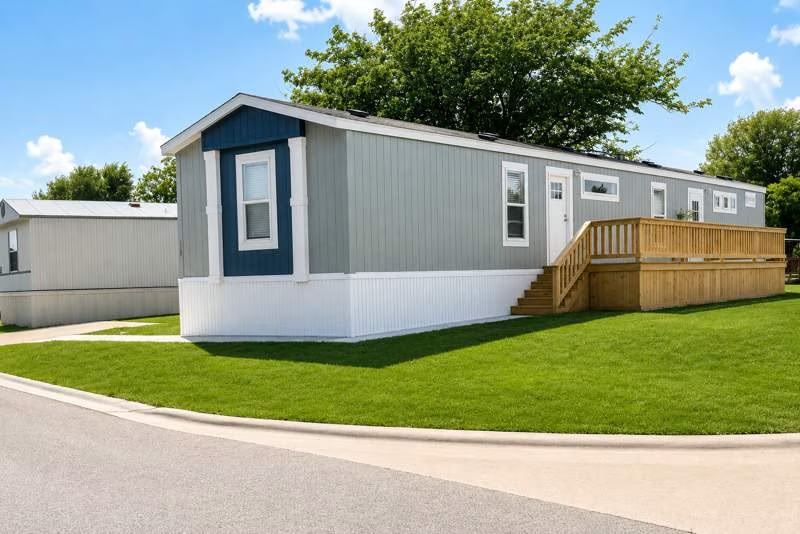
A playground that stays clean, streets with working lights, neighbors who know each other, and a management team that actually responds – that is what many families mean when they search for family friendly manufactured communities. Price matters, of course. But for parents, working adults, and households trying to build a stable routine, the real question is whether a community supports everyday life in a practical, lasting way.
Manufactured home living has changed. The old stereotypes still linger, but they miss what residents actually look for and what well-run communities now provide. For many households, this housing option offers something hard to find elsewhere: attainable monthly costs, a true neighborhood feel, and a path to more stability without giving up standards.
What families really need from a community
Families tend to evaluate housing differently than a short-term renter or a single buyer. They are not just choosing square footage. They are choosing the setting for school mornings, evening walks, weekend play, and daily peace of mind.
That changes the checklist. A family-friendly place needs to feel safe, but it also needs to be visibly cared for. It needs clear community standards, but not in a way that feels unwelcoming. It should offer affordability, but not by cutting corners on maintenance or infrastructure. The strongest communities balance all of that.
In practice, that means families often look for quiet streets, reasonable rules, clean common areas, and management that keeps the property in good condition. They also want confidence that concerns will be addressed quickly, whether that means a lighting issue, a maintenance need, or a question about community policies.
The difference between affordable and low quality
One reason family friendly manufactured communities appeal to so many households is simple: affordability opens doors. Lower housing costs can make room in the budget for child care, groceries, transportation, healthcare, and savings. That breathing room matters.
But families are right to be cautious. Affordable housing only works when it comes with consistency and quality. If streets are neglected, common areas are not maintained, or rules are enforced unevenly, lower monthly costs stop feeling like a benefit. They start feeling like a trade-off.
That is why management matters so much in this category. A well-managed manufactured home community can offer strong value because the affordability is paired with visible upkeep. Residents can see the difference in paved roads, community lighting, lot standards, landscaping, and responsive communication. These details shape daily life more than flashy marketing ever will.
Signs of family friendly manufactured communities
The best communities usually do not need to overstate what they offer. You can see it in the way the property operates.
A good sign is consistency. If the entrance is maintained, shared spaces are clean, and homesites are orderly, that usually reflects a broader pattern of care. Families notice whether a community feels settled and respected. They want to know that neighbors are living by the same basic standards and that the environment will not shift suddenly month to month.
Another sign is responsive management. A friendly leasing experience is helpful, but it is only the beginning. What matters more is what happens after move-in. Can residents pay rent easily? Is there a clear process for questions or service needs? Does the management team communicate updates and enforce rules fairly? Communities that make these basics simple tend to earn long-term trust.
Amenities matter too, but only when they fit real life. A clubhouse, playground, open green space, or community events can add value because they create places for connection. At the same time, amenities should not distract from the fundamentals. Families usually care more about street lighting, parking, drainage, and cleanliness than extras that look good in photos but do little day to day.
Why neighborhood feel matters as much as the home itself
A home can fit your budget and still feel wrong if the surrounding community does not support the life you want. That is especially true for families with children or multigenerational households. The neighborhood experience becomes part of the housing decision.
This is one reason manufactured home communities can be such a strong fit. When they are managed well, they often create a closer sense of community than many scattered-site rentals or large apartment complexes. Neighbors see each other outdoors. Children have familiar faces around them. Residents build routines and relationships over time.
That does not mean every household wants the same thing. Some families want an active atmosphere with events and shared spaces. Others want a quieter setting with predictable rules and minimal disruption. The right fit depends on lifestyle. What matters is that the community has a clear identity and follows through on it.
Renting, buying, or moving your own home in
Families come to manufactured communities from different starting points. Some are looking for a rental home with manageable monthly costs and less stress than a traditional apartment. Others are ready to buy as an entry point to homeownership. Some already own a manufactured home and need a reliable community where they can place it.
Each path has advantages. Renting can offer flexibility and a simpler move for households that are not ready to buy. Purchasing can create more long-term stability and may be appealing for those who want to invest in a home while keeping costs within reach. Moving your own home into a community can make sense if you already have the home but want a better-managed location, stronger infrastructure, or a more welcoming neighborhood environment.
There is no universal best option. It depends on your timeline, finances, and how long you expect to stay. What families should expect in any case is transparency around lot requirements, community rules, monthly costs, and the application or approval process. Clarity up front helps avoid frustration later.
Questions families should ask before choosing a community
Photos and pricing only tell part of the story. The better approach is to ask how the community functions.
Start with safety and upkeep. Ask how lighting, roads, and common areas are maintained. Ask how quickly issues are typically handled and who residents contact when they need support. You can also ask whether the community has ongoing improvement plans. Regular investment in infrastructure usually signals long-term commitment rather than short-term occupancy goals.
Then ask about the resident experience. Are there clear standards for homesites and shared areas? How are rules communicated? Is there an online portal or another easy way to manage payments and paperwork? Administrative convenience may sound small, but for busy households it can make everyday life much easier.
Finally, pay attention to how the place feels during a visit. Are the grounds clean? Do residents seem comfortable? Does the community feel organized and lived in, rather than neglected or uncertain? That first impression often reveals more than a brochure can.
Reframing what manufactured community living can look like
The biggest shift in this housing category is not only about price. It is about expectations. Families no longer see manufactured home communities as a last resort when they are managed with care, updated over time, and built around real resident needs. They see them for what they can be: stable neighborhoods with attainable housing, visible standards, and a strong sense of belonging.
That reframing matters because housing decisions are deeply personal. People want a place where they can build routines, feel secure, and know their concerns will not be ignored. A well-run community delivers on those basics in ways that support both daily comfort and long-term confidence.
At Medallion Communities, that means treating community management as part of the resident experience, not an afterthought. Clean properties, responsive service, practical tools, and a welcoming environment all work together to create places where families can settle in and feel at home.
If you are comparing options, look beyond the sticker price and focus on how a community actually lives. The right one will not just fit your budget. It will make daily life feel more steady, more connected, and easier to build around.