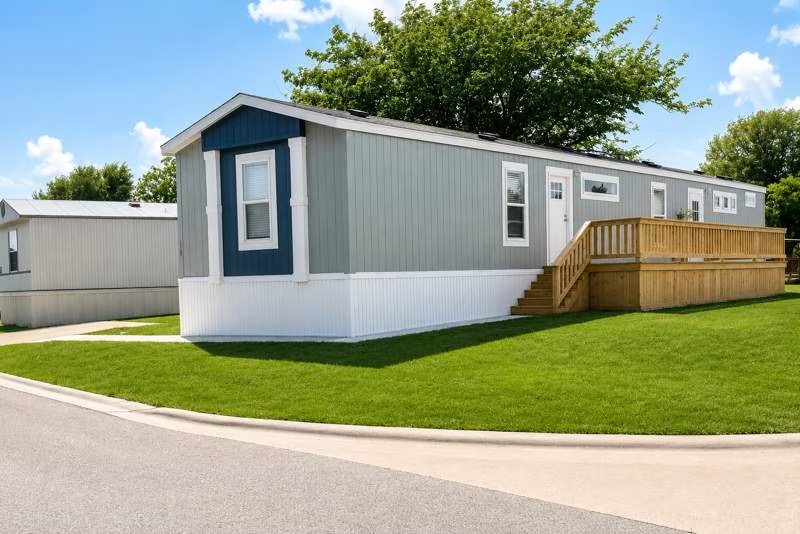
A lower purchase price can look like the whole story until you ask the question that really shapes day-to-day living: what is it like buying a manufactured home in a community where the neighborhood, management, and monthly costs all matter just as much as the home itself? For many buyers, that is where the real decision happens. You are not just choosing square footage. You are choosing upkeep standards, the feel of the streets, how quickly issues get handled, and whether the place feels stable enough to build a life in.
That is also why this kind of purchase deserves a closer look than the old stereotypes allow. A well-run manufactured home community can offer something many buyers want right now – attainable homeownership, predictable housing costs, and a genuine neighborhood feel. But not every community is managed the same way, and not every listing that looks affordable on paper will feel affordable once all costs are clear.
What buying a manufactured home in a community really means
When you buy a manufactured home in a land-lease community, you typically own the home and lease the homesite it sits on. That distinction matters. Your purchase decision includes both the condition and price of the home and the terms, rules, and ongoing costs tied to the lot.
For some households, this arrangement is exactly what makes ownership possible. The upfront cost can be lower than a site-built home, and buyers may gain access to amenities, maintained common areas, and a more connected neighborhood setting. For others, the trade-off is that monthly site rent becomes part of the long-term budget and community rules will shape what you can do with your property.
Neither side is inherently good or bad. It depends on your goals. If you want a more attainable path to ownership and value a managed neighborhood, community living can make strong sense. If your priority is complete control over land and exterior changes, you may feel limited.
Start with the community, not just the home
A clean kitchen and updated flooring can distract buyers from the bigger question: is this a place you will feel good about living in six months from now?
Drive through the community more than once, and not only in the middle of the day. Look at street conditions, lighting, signage, landscaping, and the general appearance of homesites. Are common areas maintained? Do the grounds suggest pride and consistency? A neighborhood that feels cared for usually reflects active management, clear standards, and residents who want to stay.
Pay attention to what management emphasizes. Responsive service, property standards, safety measures, and infrastructure improvements are not small details. They tell you whether the community is being run for long-term quality of life or just short-term occupancy. Well-managed communities often stand apart in ways that are obvious once you know to look: smoother roads, better lighting, cleaner shared spaces, and a more respectful atmosphere overall.
If you are considering a community operated by a company like Medallion Communities, this stewardship piece is part of the value. The home matters, but the environment around it matters every day.
Understand every monthly cost before you commit
Affordability is one of the biggest reasons buyers choose manufactured housing, but affordability should be measured by total monthly cost, not by purchase price alone.
Ask for a full picture of what you will pay each month. That often includes your home loan or purchase payment, site rent, utilities, insurance, taxes if applicable, and any fees tied to the community. Some communities may also have charges connected to amenities, trash, or other services. The right question is not just, “Can I afford the home?” It is, “Can I comfortably afford this lifestyle month after month?”
This is where clear management makes a difference. Buyers should not have to guess what they are signing up for. Straight answers build trust, and trust matters when you are making a housing decision that affects your family, budget, and stability.
Look closely at community rules and standards
Rules can feel restrictive when viewed in the abstract, but in a well-run community, they are often part of what protects the resident experience. Standards around parking, exterior upkeep, pets, noise, and home modifications help preserve cleanliness, curb appeal, and neighborly expectations.
That said, you should read those rules carefully before buying. A community with strong standards may be exactly what one buyer wants and a poor fit for another. If you have multiple vehicles, a large dog, or plans to build certain exterior features, confirm what is allowed. Assumptions create frustration later.
The best communities communicate standards clearly and apply them consistently. That consistency helps residents feel the neighborhood will remain orderly and cared for over time.
Evaluate the home with the same care you would anywhere else
Buying a manufactured home in a community does not mean lowering your standards for the home itself. Check the roof, flooring, windows, plumbing, HVAC system, insulation, skirting, and overall structural condition. If the home is pre-owned, ask about past repairs, upgrades, and the age of major systems.
A newer or renovated home may justify a higher price, but only if the underlying condition supports it. Cosmetic updates are nice. Reliable systems are better. A home that looks attractive at showing but needs immediate work can erase the savings that drew you in.
If possible, get an independent inspection. That step is especially helpful for first-time buyers who may not know what warning signs to watch for in manufactured housing.
Financing can look different from a traditional home purchase
One of the most common surprises for buyers is that financing a manufactured home may not follow the exact same path as financing a site-built house. The type of loan available can depend on the age of the home, whether it is classified as real property or personal property, your credit profile, and the lender.
That does not mean financing is out of reach. It means you should ask early what options are realistic for your situation. Buyers who understand their financing path upfront are less likely to waste time on homes that do not fit their budget or loan eligibility.
It is also worth asking what documents and timelines the community requires during the approval process. In many communities, the buyer is not only purchasing the home but also applying for residency. That extra step can actually be reassuring. It signals that the community is paying attention to who lives there and is working to maintain standards.
Neighborhood fit matters more than buyers sometimes expect
People often focus on floor plans and forget that neighbors shape daily life. A manufactured home community can offer more than housing. At its best, it offers routine, familiarity, and a sense that you belong where you live.
That is why it helps to ask practical questions. Is the location convenient for work, school, and everyday errands? Are there shared amenities or resident activities? Does the community feel quiet, active, family-friendly, or more retirement-oriented? None of these qualities are universally better. They simply need to match what you want.
A buyer raising children may prioritize lighting, open space, and a strong sense of neighborhood watchfulness. A working adult may care most about commute times and easy online account management. A long-term homeowner moving an existing home into a community may focus on lot compatibility, utility connections, and operational responsiveness. The right fit depends on your life, not just the listing.
Ask how management handles the everyday issues
The strongest manufactured home communities do not prove their value only on move-in day. They prove it over time.
Ask how maintenance requests are handled, how residents communicate with management, and what systems are in place for payments, applications, and updates. Communities with organized operations and digital self-service tools tend to reduce friction for residents. That may sound minor now, but convenience and responsiveness become a big part of how a place feels once you live there.
You can also ask current residents what they have experienced. Do issues get addressed? Has the property improved over time? Do they feel respected? Those answers often tell you more than any brochure can.
A smart purchase is about confidence, not just price
There is real value in buying a home that fits your budget. There is even more value in choosing a community that supports the life you want to build around that budget.
Buying manufactured home in community living can be a practical move, but the best outcomes come from looking past the sticker price and paying attention to management quality, neighborhood standards, monthly costs, and long-term fit. When those pieces line up, affordable housing does not have to feel like a compromise. It can feel like stability, pride, and a place where you are glad to come home.
Take your time, ask direct questions, and trust the details that show whether a community is truly cared for. A home is where your life happens. The community around it should help that life feel supported.