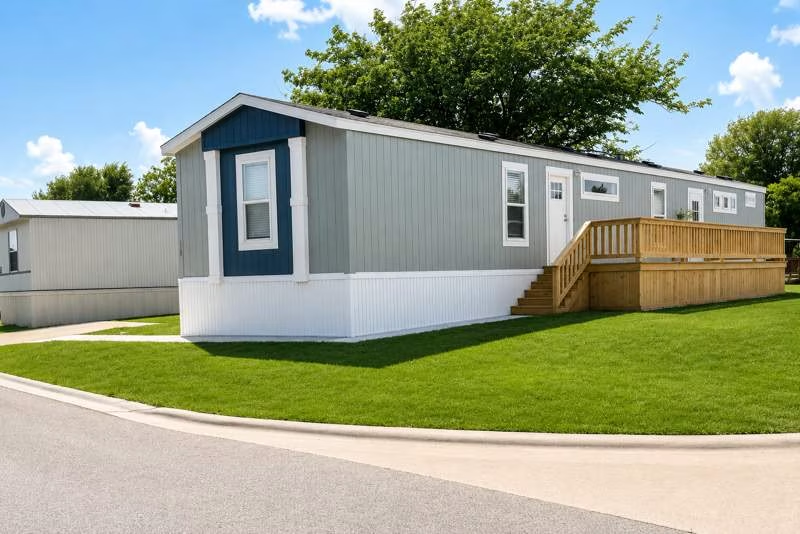
If your dog is part of the family or your cat has already claimed the sunny window, housing decisions do not stop with square footage and monthly costs. A practical question comes first: can you move into with pets? The answer is often yes, but only if the home, the community, and the pet policies all line up.
That matters more than people think. A place can look affordable on paper and still be the wrong fit if the pet rules are unclear, the lot does not work for daily routines, or the approval process gets overlooked. The best move is not just finding a home that allows pets. It is finding a community where you, your family, and your animals can settle in comfortably and stay for the long term.
Can you move into with pets in a manufactured home community?
In many cases, yes. Manufactured home communities and rental home communities often welcome pets, but acceptance is rarely automatic. Most communities have specific standards around the number of pets allowed, breed or weight restrictions, vaccination requirements, leash rules, and pet deposits or fees.
That is not about making life harder. It is about protecting the quality of life for everyone in the neighborhood. Residents want clean common areas, quiet streets, and a safe environment for children, adults, and animals alike. Good pet policies support those goals while still making room for pet owners.
This is especially important in community living. A pet-friendly policy only works when expectations are clear. If management is attentive and the standards are consistent, pet owners usually benefit too. You know what is allowed, what paperwork is needed, and what daily responsibilities come with living in a well-kept neighborhood.
What to ask before you move into with pets
Start with the policy itself. Ask whether pets are allowed in the specific home or lot you are considering, not just somewhere in the community. Sometimes availability, home type, or local regulations can affect what is permitted.
Then ask about limits. Some communities allow two pets, while others may allow one or set size guidelines. Breed restrictions can also apply, particularly for dogs. If you have a larger dog or a breed that is commonly restricted, get a clear answer upfront. Guessing here can cost you time, money, and a lot of stress.
You should also ask about fees. Pet deposits, one-time pet fees, and monthly pet rent vary by property. One community may have a modest upfront charge and no monthly fee. Another may spread the cost over time. Neither approach is automatically better. It depends on your budget and how long you expect to stay.
Vaccination records are another common requirement. Many professionally managed communities ask for current records before move-in, especially for dogs. Some may also require licensing or proof that pets are spayed or neutered. If you can gather those documents early, your application process usually goes more smoothly.
Finally, ask about behavior expectations. Leash rules, waste cleanup, noise complaints, and unattended outdoor time are common issues in any neighborhood. The right community will be direct about these standards because they help preserve a sense of respect and belonging for everyone.
The hidden factor: your pet’s daily routine
A pet-friendly policy is one thing. A pet-friendly lifestyle is another.
Think about how your animal actually lives day to day. A senior cat may adapt well to a smaller footprint if the home has quiet spaces and good light. An energetic dog may need easy walking routes, a manageable yard area, and enough room for a crate, food station, and regular movement. If your pet is anxious, a busy location near high traffic or constant foot activity may not be ideal.
This is where community layout matters. Wide streets, maintained green areas, and orderly surroundings can make everyday pet care easier. So can a home with practical entry points for walks, bathing, and cleanup. Affordability matters, but comfort and routine matter too. A home that works on move-in day should still work six months later, when the novelty wears off and real life takes over.
Costs to plan for when moving with pets
People often budget for rent, utilities, and moving trucks, then get surprised by pet-related costs. Even in communities that welcome animals, there may be financial requirements attached to move-in.
The obvious costs are deposits, fees, or monthly pet rent. Less obvious costs include updated vaccinations, a vet visit for paperwork, replacement tags, a sturdier leash for community walks, or repairs if your current crate or carrier is worn out from transport. If you are moving a manufactured home into a community you may also want to think about how your pet will be managed during setup, installation, and the first days on site.
It helps to build in a little breathing room. A housing choice that looks cheaper at first can end up feeling tight if every pet-related expense hits at once. Predictable costs are one reason many residents prefer professionally managed communities. Clear fee structures make planning easier.
If you already own your home and want to move it in with pets
This situation has an extra layer. If you already own a manufactured home and want to place it in a community, the question is not only can you move into with pets, but also whether the home itself meets community standards.
Communities may review the age and condition of the home, setup requirements, skirting, utility connections, and other site-readiness details before approval. At the same time, pet policies still apply. That means you need to think about both the home move and the pet transition together.
During a home move, pets can become stressed by noise, schedule changes, and unfamiliar surroundings. If you are coordinating transport, setup, inspections, and move-in timing, make a plan for where your pet will stay during the busiest part of the process. Some owners arrange temporary boarding or have a friend watch the animal until the home is fully ready. Others set up one quiet room first, so the pet has a safe place to adjust.
A well-managed community can make this process more straightforward because expectations are defined from the beginning. You know the lot standards, the move-in requirements, and the pet rules before you commit.
How to tell if a community is truly pet-friendly
A community does not need a flashy label to be a good fit for pet owners. What matters is how the place is run.
Look for signs of consistent upkeep. Clean grounds, maintained streets, working lighting, and clearly communicated rules usually point to management that takes quality of life seriously. That matters for pet owners because pets thrive on routine and safe surroundings just like people do.
Pay attention to how pet policies are explained. If the rules are easy to understand and staff can answer direct questions, that is a good sign. If everything feels vague, you may run into confusion later.
You should also think about culture. In a strong community, residents share a basic respect for common spaces and for each other. That creates a better environment for everyone, whether you are walking a dog in the evening or carrying a cat carrier inside on move-in day.
At Medallion Communities, that community-first approach is part of the value. Attentive management, maintained neighborhoods, and clear standards help residents feel confident that affordable living does not mean settling for less.
Common reasons pet moves get delayed
Most pet-related move problems are preventable. The biggest issue is assuming a property-wide yes means your specific home is approved without conditions. Another is waiting too long to ask about paperwork or fees.
Behavior history can also affect approval. If a pet has a record of aggression or repeated complaints from a previous property, some communities may hesitate or require more documentation. Emotional support animals and service animals can involve different rules and documentation standards as well, so it is worth asking how those situations are handled instead of relying on general assumptions.
Timing is another factor. If you are applying for a home, coordinating a lease, or arranging to move your own manufactured home into a lot, pet approvals should happen early in that process. Last-minute questions can slow everything down.
Making the move easier on your pet
Once you know the community and home are a fit, help your pet adjust gradually. Keep familiar bedding, toys, food bowls, and feeding times consistent. If possible, set up one area first so your pet has a stable place while the rest of the home comes together.
For dogs, walk the area on a leash and let them get used to new sounds and scents. For cats, give them time in one room before opening the full home. Most animals adjust better when the environment feels calm and predictable.
The goal is simple. You are not just moving your belongings. You are creating a place where your whole household can feel settled.
A good home should make room for real life, and for many people, real life includes pets. If you ask the right questions early and choose a community with clear standards and real care behind them, moving with pets can feel a lot less complicated and a lot more like coming home.