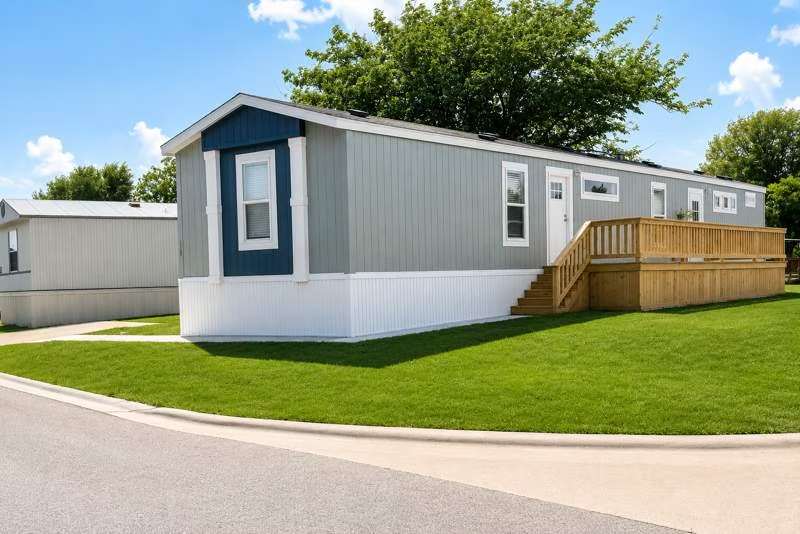
A manufactured home can offer the affordability people need without giving up comfort, privacy, or the feeling of having a place to truly call home. But value only holds up when the home itself is in good condition. That is why a clear guide to manufactured home inspections matters – whether you are buying, selling, renting, or preparing to move a home into a community.
Unlike a quick walkthrough, an inspection helps you understand how the home is performing where it counts: structure, safety, systems, and signs of deferred maintenance. It can also help you avoid a costly surprise after move-in. For families and working households trying to keep housing costs predictable, that kind of clarity matters.
Why manufactured home inspections matter
Manufactured homes are built to a federal construction standard, but they still age like any other home. Roofs wear down, plumbing connections loosen, flooring can soften, and HVAC systems can lose efficiency over time. A home may look clean and well kept on the surface while hiding problems underneath.
An inspection creates a more complete picture. Buyers can use it to judge whether the asking price matches the home condition. Sellers can fix issues before listing or be ready for questions during negotiations. Homeowners bringing an existing home into a land-lease community may also need to show that the home meets community standards, utility requirements, and basic safety expectations.
There is also a quality-of-life reason to take inspections seriously. Safe stairs, stable skirting, sound flooring, proper tie-downs, and working smoke alarms are not small details. They shape how secure and comfortable daily life feels.
What a guide to manufactured home inspections should cover
A good inspection goes beyond cosmetic wear. Paint, cabinet hardware, and minor scuffs matter less than whether the home is structurally sound and all major systems are operating as they should.
The inspector will usually start outside. They may look at the roof, siding, skirting, windows, doors, steps, porches, grading, and drainage around the home. Water is one of the biggest threats to any house, and manufactured homes are no exception. If water is not directed away from the home, it can contribute to rot, mold, and foundation concerns.
Underneath the home is another key area. Inspectors often check the chassis, piers, anchors, tie-downs, insulation, ductwork, and signs of moisture or pest activity in the crawlspace. This part of the home is easy to ignore during a casual showing, but it often reveals whether the home has been maintained properly.
Inside, the inspection usually focuses on the floors, walls, ceilings, doors, windows, and visible signs of leaks or shifting. Then come the major systems: electrical, plumbing, heating, cooling, and water heating. Appliances may be checked if they are included in the sale, though that can vary by inspector and contract.
Areas that deserve extra attention
Manufactured homes have a few inspection points that deserve closer attention because they can affect both safety and long-term costs.
Roof condition and past leaks
A stained ceiling panel does not always mean an active leak, but it should never be brushed aside. Manufactured home roof issues can range from minor sealant failure around vents to broader damage caused by age, storm exposure, or poor repairs. If the roof has been coated, patched, or replaced, ask when that work was done and whether it addressed the underlying issue.
Floors and subfloor softness
Soft spots near bathrooms, kitchens, laundry areas, or exterior doors can point to water intrusion. In some homes, replacing a small section is manageable. In others, the damage extends farther than expected. The cost difference can be significant, so this is one of those areas where a professional opinion is worth getting.
Plumbing connections and water pressure
Leaks under sinks are easy to spot. The bigger concern is hidden plumbing damage, especially around tubs, toilets, or under the home. An inspector may run fixtures, check drainage, and look for evidence of prior repairs. Low water pressure is not always a dealbreaker, but it should be understood before closing.
Electrical safety
The inspection should note the condition of outlets, switches, fixtures, panels, and visible wiring. Older homes may have components that need updating. Even when everything appears to work, an inspector may flag wiring concerns that affect insurance, financing, or future repair needs.
Tie-downs, anchors, and support systems
Not every buyer thinks to ask about this, but they should. A manufactured home relies on a specific support and anchoring system. If the setup is damaged, incomplete, or not appropriate for local conditions, the home may be more vulnerable to shifting or storm impact. This also matters when a home is being moved into a professionally managed community.
What an inspection does not always tell you
An inspection is useful, but it is not magic. Inspectors do not open every wall or predict exactly when a furnace will fail. They work with what is visible and accessible on the day of the inspection.
That means context still matters. If the home is older, has had additions, or has been relocated before, you may need follow-up review from a licensed contractor or specialist. If the lot itself has drainage issues, damaged utility connections, or site-access concerns, those may fall partly outside a standard home inspection and require separate evaluation.
This is also why the lowest inspection price is not always the best value. A more experienced inspector may catch issues that save you far more than the fee.
Buying, selling, or moving in – the inspection changes slightly
The purpose of the inspection often depends on what you are trying to do.
If you are buying a manufactured home, the goal is to understand condition before you commit. You want a realistic sense of repair costs, expected maintenance, and whether the home supports your budget over time.
If you are selling, a pre-listing inspection can reduce friction later. It gives you a chance to fix problems early, price the home more accurately, and show buyers that you are being straightforward.
If you already own the home and plan to move it into a community, the inspection may focus more on transport readiness, structural soundness, code-related concerns, and whether the home meets community standards. In well-managed communities, that process protects everyone. It helps maintain clean, safe surroundings and supports the long-term condition of neighboring homes as well.
How to prepare for a manufactured home inspection
Preparation does not need to be complicated, but access matters. Make sure the inspector can reach all rooms, utility areas, the water heater, the electrical panel, and the area beneath the home if applicable. Unlock storage areas if they contain system access points.
Turn on utilities ahead of time. An inspector cannot fully evaluate plumbing, electrical, or HVAC systems if power and water are off. Replace blocked filters, trim back vegetation around the exterior, and remove stored items that hide walls, vents, or access panels.
Gather paperwork if you have it. Records of roof work, HVAC service, plumbing repairs, leveling, or anchoring updates can be helpful. They do not replace the inspection, but they do help explain the home’s history.
Red flags that should slow you down
Some issues are manageable. Others should make you pause and ask harder questions.
Repeated signs of water damage, widespread floor softness, major roof sagging, extensive mold odor, unsafe electrical conditions, and serious support or anchoring problems deserve careful review. None of these automatically mean the home is a bad choice. But they do mean the decision should be based on real repair costs, not wishful thinking.
It also depends on your goals. A buyer looking for a move-in-ready home may walk away from repairs that an experienced owner would happily take on for the right price. Affordability is not just about the sticker price. It is about the full cost of making the home safe, stable, and comfortable.
Choosing the right inspector
Not every home inspector has meaningful experience with manufactured housing. Ask whether they regularly inspect manufactured homes, whether they review crawlspaces and support systems, and what is included in their report. A detailed report with photos is usually more helpful than a quick verbal opinion.
If you are working with a community team during a move-in process, ask what documentation may be required. At Medallion Communities, the goal is not just filling a lot. It is helping support a neighborhood that feels cared for, safe, and welcoming for the people who live there.
The real value of an inspection
The best inspections do more than identify defects. They help people make grounded decisions. That might mean moving forward with confidence, negotiating repairs, planning maintenance, or deciding that a different home is the better fit.
For households looking for attainable housing, that kind of clarity is powerful. A manufactured home inspection is not about finding perfection. It is about making sure the home you choose can support the life you want to build there.