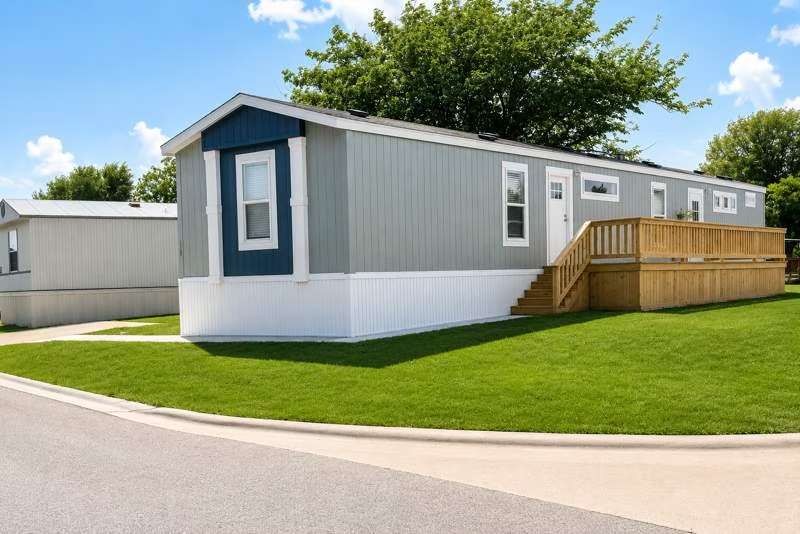
A manufactured home can be an affordable path to stability, but where that home sits shapes daily life more than many buyers expect. When people compare managed community versus private land, they are really comparing two different ways of living: one built around shared standards and support, and one built around independence and personal control.
Neither option is automatically better for everyone. The right fit depends on how you think about maintenance, budget, privacy, flexibility, and the kind of neighborhood experience you want week after week.
What managed community versus private land really means
A managed community is a neighborhood where homes sit on leased or assigned home sites within a professionally operated property. Management typically oversees common areas, streets, lighting, community standards, and resident services. In many communities, that also means amenities, online payment tools, and a clear process for maintenance requests or applications.
Private land means placing your manufactured home on land you own or control directly. That can offer more freedom over the property itself, but it also puts more responsibility on the homeowner. Road access, utilities, permitting, land preparation, and ongoing upkeep often fall on you.
This is why the managed community versus private land decision is not just about location. It is about who handles what, what kind of environment you want around you, and how predictable you want your housing experience to feel.
Cost is more than the monthly number
At first glance, private land can seem like the more independent and potentially cost-saving option. If you already own land, placing a manufactured home there may look straightforward. In practice, the full cost can be higher than expected once site work enters the picture.
Private land often requires grading, utility connections, septic or sewer planning, driveway work, permitting, and local approvals. In rural settings, distance from utility infrastructure can raise expenses even more. Those are upfront costs that do not always show up in the first round of comparison.
A managed community usually comes with site-related infrastructure already in place. That can reduce the complexity and surprise expenses involved in getting settled. Residents still need to account for lot rent or site fees, but they are often paying for an established setting with maintained roads, lighting, and community services.
For households focused on monthly predictability, that matters. A payment structure that is easier to understand can be just as valuable as a lower headline number on paper.
Control versus convenience
Private land gives you more direct authority
If you want wide-open control over your property, private land may appeal to you. You may have more say over landscaping, accessory structures, parking arrangements, or how much distance you keep from neighbors, depending on local zoning and deed restrictions.
That level of control can be a major advantage for homeowners who want space, privacy, or fewer community rules. It can also suit people who enjoy managing projects and property improvements on their own timeline.
Managed communities reduce day-to-day friction
A managed community tends to offer a different kind of value. You trade some individual control for a more orderly and supported environment. Rules around appearance, parking, noise, and common spaces are there for a reason – they help protect neighborhood standards and make daily life more consistent.
For many residents, that is not a drawback. It is the point. Clean streets, maintained common areas, responsive management, and a sense that someone is paying attention can make home feel more secure and more welcoming.
Maintenance responsibilities look very different
One of the biggest differences in managed community versus private land is the amount of upkeep you personally carry.
On private land, the homeowner is usually responsible for almost everything tied to the property. That may include drainage concerns, tree management, exterior infrastructure, utility coordination, and access issues after storms or wear over time. If something goes wrong, there is no onsite office to call. You are the one arranging the fix.
In a managed community, you still care for your home, but the surrounding neighborhood framework is typically supported by professional oversight. That might include maintenance of shared spaces, roadways, lighting, and enforcement of property standards. The result is often less guesswork and fewer loose ends.
For working adults, families with full schedules, or residents who simply want fewer housing headaches, that difference can be substantial.
Neighborhood experience matters more than people think
Housing decisions are often framed around square footage and price, but the feel of the neighborhood has a major effect on everyday satisfaction.
Private land can offer peace, distance, and a greater sense of separation. For some households, that is ideal. If you want room to spread out and are comfortable with a more self-directed living arrangement, private land may align with your goals.
A managed community, though, often offers something private land does not: a built-in neighborhood structure. That can mean nearby neighbors, shared amenities, resident events, and a stronger sense of belonging. It can also mean visible standards that help the community stay clean, respectful, and welcoming.
That sense of community should not be underestimated. People want affordability, but they also want to feel good about where they live. A well-managed neighborhood can support both.
Rules are not always a negative
Some shoppers hear the word rules and immediately lean toward private land. That reaction is understandable. Nobody wants unnecessary restrictions.
Still, rules in a professionally managed community often serve a practical purpose. They help preserve curb appeal, reduce conflicts, support safety, and create a more consistent resident experience. When standards are applied fairly, they protect the quality of life people moved in for.
Private land may offer fewer neighborhood-specific rules, but it does not mean no rules. Zoning requirements, county ordinances, utility regulations, and permitting laws still apply. In some cases, those requirements can be harder to navigate than a clear set of community guidelines.
The real question is not whether rules exist. It is whether the rules support the kind of living environment you want.
Infrastructure can make or break the experience
This is the detail many first-time buyers miss. A manufactured home needs more than a patch of ground. It needs a suitable site, utility access, compliance with local requirements, and a setting that supports long-term livability.
On private land, those pieces can become a major project. Even if the land itself is affordable, preparing it properly may take more time and money than expected.
In a managed community, infrastructure is one of the strongest advantages. Established home sites, utility connections, maintained access roads, and neighborhood lighting can create a smoother move-in process and a better day-to-day experience after the move is done. That operational support is part of what separates a well-run community from outdated assumptions about manufactured housing.
Which option fits your lifestyle?
Managed community may be the better fit if you want predictability
If your priority is stable monthly planning, a neighborhood feel, visible upkeep, and responsive management, a managed community often checks more boxes. It is especially attractive for renters, first-time buyers, and homeowners bringing in their own manufactured home but wanting a setting with standards and support.
This option can also work well for people who value convenience. Paying online, getting clear answers, and living in a place where management helps protect the environment around your home can remove a lot of stress.
Private land may be the better fit if you want maximum independence
If you value privacy above all, want more freedom with land use, or already own suitable property, private land may make sense. It can be a strong choice for people who are comfortable handling permits, utilities, maintenance, and long-term site management.
It may also appeal to households who want a more rural setup or who see land ownership as part of a broader financial or lifestyle plan.
The best choice depends on what you want home to feel like
The managed community versus private land decision is not a test with one correct answer. It is a quality-of-life choice. Some people want full control and are willing to take on the work that comes with it. Others want affordability with structure, strong upkeep, and a true neighborhood environment.
For many households, a well-managed manufactured home community offers the balance they have been looking for – attainable housing, clear standards, and a place that feels cared for. That is one reason companies like Medallion Communities continue to reshape what people expect from community living.
Before you decide, think beyond the home itself. Think about who handles the details, how you want your neighborhood to function, and what will make everyday life feel easier, safer, and more connected. The right setting is the one that supports not just where you live, but how you want to live there.