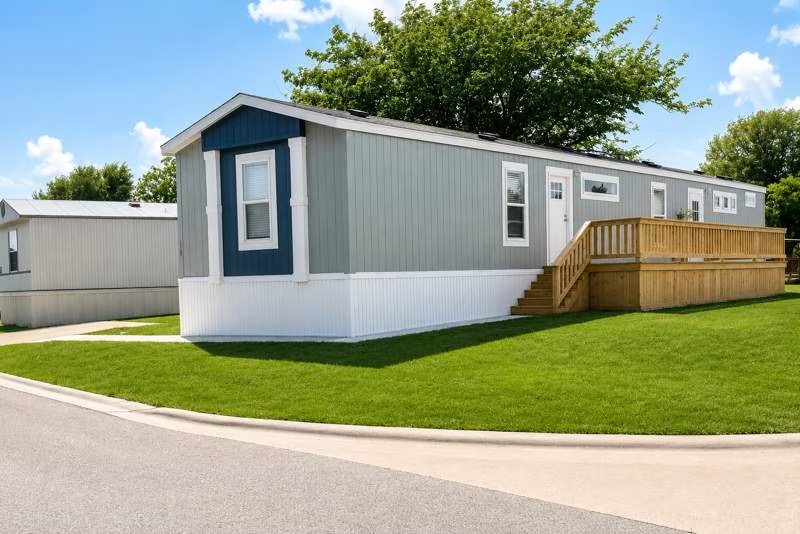
A lease that looks affordable can feel very different once utilities show up. That is why one of the most common housing questions is who pays for water sewer, especially in a manufactured home community where the answer can vary based on whether you rent the home, own the home, or lease only the lot.
The short answer is this: it depends on your agreement and how the community is set up. In some cases, water and sewer are included in monthly rent. In others, the resident pays them separately, either directly to the city or utility provider, or through the community as a billed utility charge. The key is not guessing. It is knowing exactly what your monthly housing cost covers before you sign.
Who pays for water sewer in most cases?
For apartment renters, utility responsibility often follows a familiar pattern. But in manufactured home communities, there are a few more arrangements because the home, the lot, and the utility infrastructure may all be managed differently.
If you are renting both the home and the lot from one owner, water and sewer may be included in rent, partially included, or billed separately each month. If you own the home but rent the lot, you will often pay lot rent plus utilities. If the community is master-metered, the community may receive one main bill and then allocate charges to residents. If each homesite has its own meter and municipal account, the resident may pay the utility provider directly.
That means there is no one-size-fits-all rule. The person who pays is usually the person named in the lease, lot agreement, or utility addendum.
What changes the answer to who pays for water sewer?
The biggest factor is your housing arrangement. Renting a home is different from owning a home in a land-lease community. The second factor is the utility system itself. Some communities connect each site separately. Others operate through shared infrastructure that makes billing more centralized.
There are also state and local rules that affect how utility charges can be passed through to residents. In some areas, landlords must disclose whether utilities are included. In others, utility billing methods for master-metered properties are more tightly regulated. That is one reason two communities in the same state can still handle billing differently.
From a resident standpoint, the practical question is simple: what will I owe each month, and to whom? A clear answer matters more than a generic promise that utilities are “low” or “usually included.”
If you rent the home
When you rent a manufactured home from a community operator or private owner, the lease should spell out whether water and sewer are included in the monthly payment. Some communities include these services to keep budgeting easier for residents. Others separate them so each household pays based on actual or allocated usage.
Included utilities can make planning easier, particularly for families who want predictable monthly costs. The trade-off is that base rent may be a little higher. Separate billing can feel fairer if you use less water than average, but your monthly total may fluctuate.
If you own the home and rent the lot
This is where many people get surprised. If you own the manufactured home but lease the homesite, lot rent may cover access to the land and certain community services, but not all utilities. Water and sewer are often billed in addition to lot rent.
Sometimes residents pay the municipality or utility company directly. In other communities, management bills residents after receiving the master utility bill. Either setup can work well, as long as the charges are transparent and consistent.
If utilities are master-metered
A master-metered system means the community receives one main utility bill and then divides charges among residents using submeters, occupancy formulas, or another disclosed method. This is common in some manufactured home communities.
Master-metering is not automatically a problem, but it does make transparency more important. Residents should know how bills are calculated, when they are due, and whether there are administrative fees. If the billing method is based on household size rather than exact usage, your cost may not reflect your personal water habits as closely as a direct meter would.
What should be included in your lease or lot agreement?
A well-managed community does not leave utility responsibility vague. Whether you are renting or buying into a community setting, your documents should clearly explain who pays for water sewer, how billing works, and what happens if there is a late payment or service issue.
Look for plain language on a few points. First, find out whether water and sewer are included in rent or lot rent. Second, confirm whether charges come from the city, a private provider, or community management. Third, ask whether your homesite is individually metered or part of a master-metered system. Fourth, see whether there are extra service, maintenance, or administrative fees tied to utility billing.
You should also ask how leaks are handled. If a pipe issue causes an unusually high bill, responsibility may depend on where the problem occurred. A leak inside the home may be the resident’s responsibility. A break in community-owned infrastructure may fall to management. That distinction matters.
Included utilities versus separate billing
Neither option is automatically better. It depends on what kind of predictability you want and how the community communicates costs.
When utilities are included, budgeting is simpler. You know your housing payment upfront, and there are fewer monthly surprises. For many households, that predictability is a real advantage.
When utilities are billed separately, there can be more accountability for water use. Residents who conserve may pay less over time. The downside is variability, especially during months with irrigation, extra guests, or a hidden plumbing problem.
The better setup is usually the one that is explained clearly from the beginning. Affordable housing is not just about the advertised rent. It is about the full monthly picture.
Questions to ask before you sign
Before committing to a rental home or lot lease, ask direct questions and get the answers in writing. Ask whether water and sewer are included. Ask for a sample monthly statement if utilities are billed through the community. Ask what the average utility range looks like for similar homes. Ask whether there is one bill for both services or separate charges.
Also ask about deposits, transfer fees, and shutoff policies. Some residents focus only on the rent number and miss the smaller recurring charges that shape the real budget. A community that values long-term resident satisfaction should be comfortable answering these questions clearly.
If you are comparing several housing options, do not compare rent alone. Compare total monthly housing cost, including water, sewer, trash, electricity, and any lot-related fees. That is the number that tells you whether a home truly fits your budget.
Why clarity matters in manufactured home communities
Manufactured home living can offer strong value, neighborhood connection, and a more attainable path to stable housing. But value only feels real when costs are easy to understand. Hidden or poorly explained utility charges can create stress that residents should not have to navigate after move-in.
That is why good management matters. Communities that take pride in their infrastructure, billing practices, and resident communication help people plan with confidence. At Medallion Communities, that commitment to clear expectations and well-kept neighborhoods is part of what makes community living feel grounded and dependable.
For current and future residents alike, the goal is simple: know what you are paying for, know who bills you, and know what support is available if something does not look right. Water and sewer may seem like small line items compared with rent or a mortgage, but they can change your monthly budget in a meaningful way.
If you are asking who pays for water sewer, you are asking the right question. The best next step is not to assume. It is to review the lease, ask for specifics, and choose a community that makes the answer easy to understand from day one.