A good home search often starts with square footage, monthly costs, and location. But resident stories about community belonging reveal what happens after move-in: whether neighbors feel comfortable saying hello, whether shared spaces are cared for, and whether residents know who to call when something needs attention. Those everyday details shape whether a community feels like a place to stay or simply a place to sleep.
For families, working adults, first-time buyers, and long-tenured homeowners, belonging is not an extra feature. It is part of feeling secure at home. It grows when the neighborhood is clean, expectations are clear, and management follows through.
What Resident Stories About Community Belonging Really Tell Us
The most meaningful resident stories are rarely dramatic. They are about the small moments that make life easier: coming home to a well-kept street, seeing outdoor lights working after dark, having a maintenance concern addressed, or meeting a neighbor at a community activity.
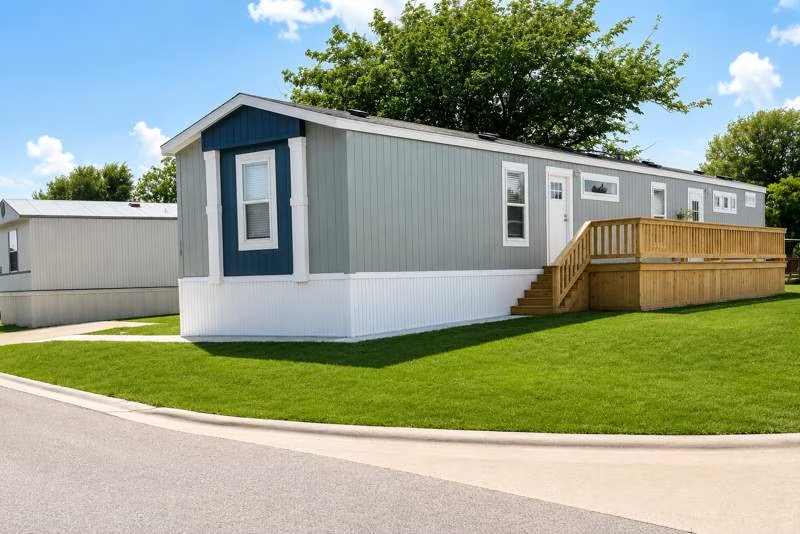
These details matter because they signal care. A community that is maintained with consistency tells residents that their daily experience matters. It also helps challenge outdated assumptions about manufactured home living. A manufactured home community can offer attainable housing and a genuine neighborhood feel at the same time. In fact, for many residents, that combination is the point.
Belonging also looks different from household to household. A parent may value a place where children can play nearby and neighbors recognize one another. A working adult may appreciate a quiet, predictable home base after a long shift. A homeowner moving an existing manufactured home may be looking for a community with clear lot standards and reliable infrastructure. The common thread is confidence: residents want to know the community is managed with care and built for everyday life.
Belonging Is Built Through Daily Standards
Community spirit does not happen because a sign says “welcome.” It is built through visible standards and dependable routines. Clean common areas, maintained roads, functioning lighting, and respectful rules can seem practical rather than emotional. Yet they are often the foundation of a welcoming environment.
When property standards are applied consistently, residents have a clearer sense of what to expect from their surroundings and from one another. That does not mean every home must look identical or every neighbor must socialize. Strong communities leave room for individuality while protecting the shared environment everyone depends on.
This is where attentive management makes a real difference. Residents should not have to wonder whether a concern will be heard or whether upkeep will be addressed only after it becomes a larger issue. Responsiveness builds trust over time. Trust makes it easier for residents to take pride in their homes, participate in community life, and feel confident inviting friends or family over.
There is a practical side to this, too. A well-managed community supports value. Renters benefit from a more predictable place to live. Buyers gain confidence that their home is part of a neighborhood with standards. Existing manufactured homeowners considering a move need assurance that the lot, infrastructure, and community expectations support a successful transition.
The Neighbor Factor Cannot Be Forced
Management can create the conditions for connection, but it cannot manufacture friendship. That distinction matters. Not every resident wants a full social calendar, and a good community respects different lifestyles, schedules, and comfort levels.
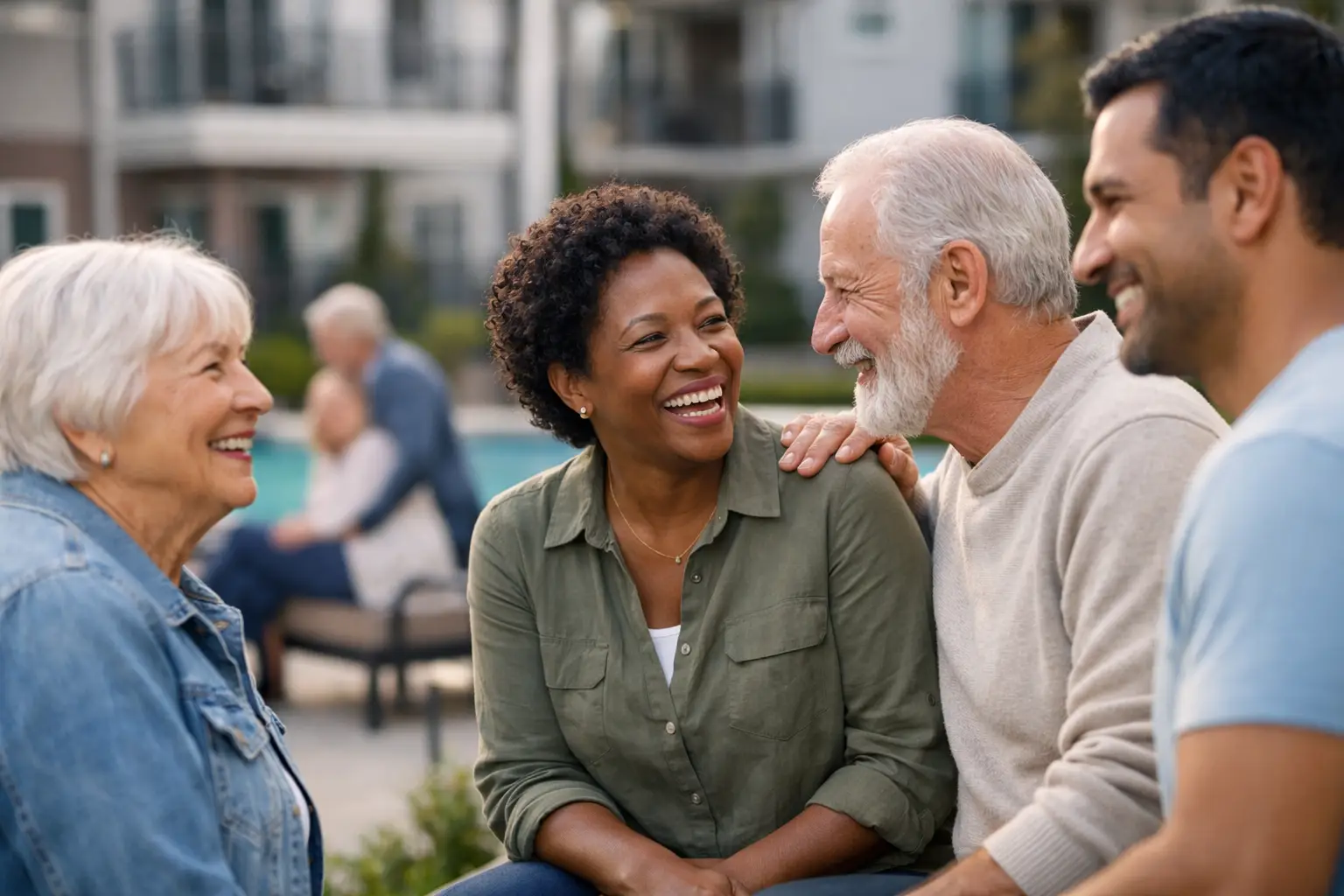
Belonging may mean chatting with a neighbor while checking the mail. It may mean knowing someone will keep an eye out if a package sits on the porch. It may mean seeing familiar faces at a clubhouse event, then choosing whether to join in. For others, it simply means living among people who respect the same shared standards.
Community activities can help create natural opportunities for connection, especially for new residents. A seasonal gathering, a resident meeting, or a casual event in a shared space can make a large neighborhood feel more approachable. Still, activities work best when they are an invitation, not an expectation. The goal is not to make everyone participate. The goal is to make participation available.
A sense of belonging can also develop across differences. Neighbors may be at different life stages, work different hours, or have different reasons for choosing manufactured housing. What brings them together is the desire for a stable, welcoming place to live within reach of their budget.
Why Affordability and Belonging Belong Together
Affordable housing is often discussed only in terms of price. Monthly costs matter deeply, but affordability has a human side. A home is more sustainable when residents can afford not only the payment, but also the sense of stability that comes with putting down roots.
When a household finds a home that fits its budget in an established neighborhood, it has more room to plan ahead. That may mean saving for a goal, supporting a family, shortening a commute, or staying close to school, work, and local connections. A community setting can add another layer of value by offering a place where residents are not isolated.
There are trade-offs, and honest housing decisions should acknowledge them. Community living means shared rules, lot requirements, and consideration for neighbors. Some people prefer complete independence on private land. Others value the structure, maintenance standards, and neighborhood environment that a professionally managed community can provide. Neither choice is right for everyone.
For residents who want attainable housing without giving up a sense of place, a manufactured home community can be a strong fit. The best experience depends on the specific community, its condition, its management approach, and the resident’s own priorities.
How Residents Can Help Shape a Stronger Community
Belonging is a shared responsibility. Management sets the tone through upkeep, communication, and fairness. Residents strengthen that foundation through everyday actions that make a neighborhood more respectful and connected.
That can be as simple as following community guidelines, keeping a home site tidy, reporting a safety concern promptly, or introducing yourself to a new neighbor. It can also mean using available resident tools to pay rent, submit requests, or stay informed. Clear communication helps small issues stay small.
Residents do not need to take on the work of community management. They should not have to solve infrastructure problems on their own or chase answers to legitimate concerns. But when residents and management communicate openly, both can contribute to a better living environment.
At Medallion Communities, that shared commitment is central to the idea of enriching lives. The goal is not just to provide a home for rent or sale. It is to support communities where residents can feel safe, respected, and proud of where they live.
A Better Question to Ask During a Home Search
When considering a manufactured home community, it helps to look beyond the listing. Ask what the streets and common areas look like on an ordinary day. Notice the condition of lighting, landscaping, and shared spaces. Learn how maintenance requests and resident questions are handled. Find out whether the community has clear expectations for homeowners and renters.
Just as important, pay attention to how the place feels. Are homes cared for? Does the property appear organized and lived in? Can you picture your daily routine there, not only your move-in day? These questions often reveal more than a brochure can.
A sense of belonging is not promised by a floor plan or created overnight. It is earned through consistent care, mutual respect, and the quiet confidence of knowing your neighborhood is a place where people want to be. That is the kind of story worth looking for when choosing where home will be.
![Camping Near [Landmark] for a Better Stay](https://medallioncommunities.com/wp-content/uploads/2026/10/camping-near-landmark-for-a-better-stay-featured-150x150.webp)