A home listing can tell you the number of bedrooms, the price, and whether the kitchen has been updated. It cannot always tell you what the street feels like after work, whether common areas are cared for, or who to call when you need help. That is why people searching for homes for sale in communities should look beyond the front door. The right home is part of a place that supports everyday life.
For many families, working adults, and first-time buyers, a manufactured home community offers a practical path to ownership without giving up the neighborhood feel they want. When the community is professionally managed and thoughtfully maintained, homeownership can feel more attainable, stable, and connected.
What You Are Really Buying
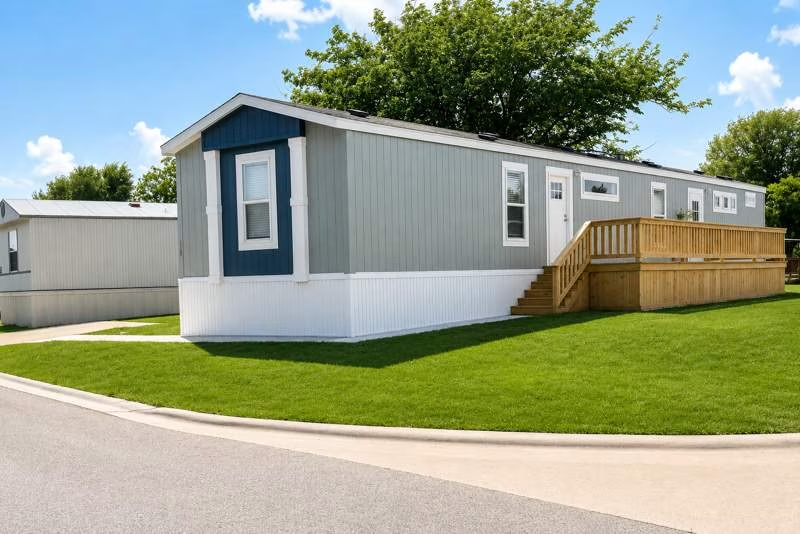
When you purchase a manufactured home in a community, you are buying more than the home itself. You are choosing a location, a set of community standards, and a daily living experience. That includes the condition of the roads, lighting, landscaping, shared spaces, and the way the community is managed.
This is one reason an affordable home can offer meaningful long-term value. A lower purchase price may make room in your budget for savings, family needs, or the freedom to plan ahead. But affordability works best when it is paired with clear expectations about ongoing costs and a community that takes pride in its appearance.
A well-managed community should make it easy to understand what comes with living there. Ask about monthly site rent, utilities, pet policies, parking, maintenance responsibilities, and any community rules. Clear answers are not just helpful during the buying process. They are a sign of respectful management.
Why Community Standards Matter
A clean, welcoming neighborhood is not a luxury. It shapes how residents feel when they pull into their driveway, walk their children to a neighbor’s home, or invite friends over for dinner. Consistent property standards help protect the character of the community while creating a setting where people can settle in with confidence.
Look for visible signs of care. Are streets and lots maintained? Is outdoor lighting in good condition? Are shared spaces orderly? Do homes appear cared for without every property looking exactly the same? These details reflect the attention behind the community.
Responsive management matters just as much. Questions and maintenance concerns will come up in any neighborhood. What separates a well-run community is how clearly concerns are handled and how consistently residents are treated. A management team that communicates, enforces standards fairly, and invests in improvements helps build trust over time.
At Medallion Communities, that stewardship is part of the goal: creating vibrant, inclusive places where residents can enjoy attainable housing and a genuine sense of belonging.
Homes for Sale in Communities Offer a Different Path to Ownership
Traditional homeownership is often presented as the only path forward, but it may not fit every household’s budget or priorities. Manufactured homes can provide an alternative for buyers who want a home of their own without taking on the price of a conventional site-built home.
The trade-off is worth understanding. In many manufactured home communities, you own the home and lease the site it sits on. That means your monthly budget may include a mortgage payment, if financed, along with site rent, insurance, utilities, and routine home maintenance. For some buyers, this structure is a better fit because it can lower the upfront cost of becoming a homeowner. For others, owning both the home and land may remain the better choice.
Neither option is automatically right. The best decision depends on your finances, how long you expect to stay, and what you value most. If you want a stable home in a neighborhood setting while keeping ownership within reach, a manufactured home community can be a strong option.
Look at the full monthly picture
A purchase price is only one part of the decision. Before moving forward, make a realistic monthly budget that includes your expected loan payment, site rent, utilities, insurance, taxes where applicable, and maintenance. If the home is pre-owned, consider whether it may need updates such as flooring, appliances, skirting, or exterior repairs.
A clear budget protects your peace of mind. It also helps you compare homes fairly. A slightly higher-priced home that is move-in ready may be a better value than a lower-priced home that needs immediate work.
Consider your future plans
Think about what you need now and what may change in the next few years. A growing family may need an extra bedroom or outdoor space. A buyer who works remotely may need a quiet area for a home office. Someone planning to stay for many years may place more value on location, nearby schools, or community activities.
The right home should fit your life without stretching your budget so tightly that every unexpected expense becomes stressful.
How to Evaluate a Community Before You Buy
A community visit should feel like more than a quick stop to see one home. Take time to drive through at different times of day if possible. Notice the pace of the neighborhood, the condition of homes and common areas, and whether the setting feels comfortable for your household.
Talk with the community team about the practical details. Ask what is included in site rent, how service requests are submitted, what rules apply to exterior improvements, and whether there are amenities or resident activities. Digital tools, such as an online portal for applications and payments, can also make routine tasks simpler once you move in.
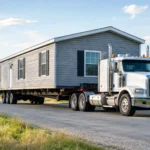
If you already own a manufactured home and are considering moving it into a community, ask about lot availability, home age and condition requirements, installation standards, and transportation considerations. Moving an existing home can be a practical choice, but it requires coordination. A community team should be direct about what is needed before you make plans.
Finding a Home That Fits Your Budget and Your Routine
Start your search with a few non-negotiables. Your price range matters, but so do location, bedroom count, commute time, school needs, and access to the places you visit most. A home that looks like a bargain can become less convenient if it adds significant travel time or does not fit your household’s daily routine.
Then compare available homes based on condition. Newer homes may offer modern layouts, energy-efficient features, and fewer immediate repair needs. Pre-owned homes can offer more value upfront and may include useful upgrades. The right choice depends on your budget, comfort with maintenance, and how soon you want to move.
Do not rush past the questions that feel small. Ask about the age of major systems, included appliances, parking, storage, and outdoor space. Confirm what repairs will be completed before closing or move-in. A straightforward conversation early can prevent surprises later.
A Neighborhood Can Make Ownership Feel More Possible
Homeownership is not only about signing paperwork. It is about having a place to rest, raise a family, welcome friends, and build routines that matter. A well-kept manufactured home community can support that feeling by pairing attainable homes with clear standards, responsive management, and neighbors who value their surroundings.
The best next step is simple: focus on the home and the community with equal care. When the monthly costs are clear, the neighborhood feels right, and the management team earns your trust, you are not just choosing an address. You are choosing a place where your next chapter has room to grow.
![Camping Near [Landmark] for a Better Stay](https://medallioncommunities.com/wp-content/uploads/2026/10/camping-near-landmark-for-a-better-stay-featured-150x150.webp)