A broken streetlight, an unanswered maintenance request, or a neighbor’s neglected yard can change how home feels. That is why do residents choose managed communities is more than a question about housing type. It is a question about whether the place where they live is cared for, whether expectations are clear, and whether someone is accountable for the everyday details that shape quality of life.
For families, working adults, first-time buyers, and longtime manufactured homeowners, a well-managed community can offer an attainable path to a stable home without giving up the neighborhood experience they value. The home matters, of course. So do the streets, common areas, lighting, rules, communication, and the people responsible for keeping the community moving forward.
Why Residents Choose Managed Communities for More Than a Home
A managed community gives residents a structure that can be difficult to find in an unmanaged setting. There are standards for the property, a process for addressing concerns, and a team with responsibility for the condition of shared spaces. That structure supports a more predictable day-to-day experience.
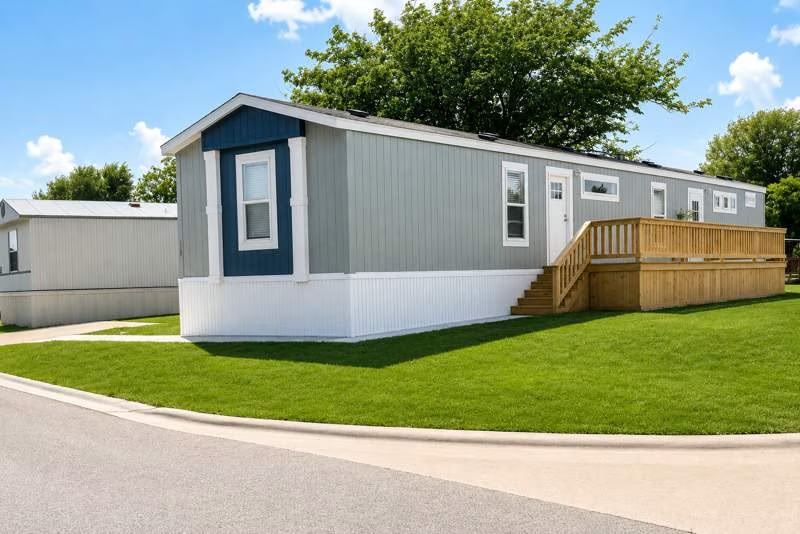
For many residents, the appeal begins with pride of place. Clean streets, maintained landscaping, and homesites that are cared for send a clear message: this is a community where people are expected to respect one another’s surroundings. Those visible details may seem small until they are missing. They influence whether residents feel comfortable walking outside, welcoming guests, and putting down roots.
Management also helps protect the investment residents make in their home. Someone who buys a manufactured home is not only choosing a floor plan or a monthly payment. They are choosing the setting around that home. Consistent property standards can help preserve the appearance and livability of the neighborhood over time.
Clear expectations create a better shared environment
Community rules are sometimes misunderstood as restrictions for their own sake. In a well-run community, they are practical tools for protecting everyone’s ability to enjoy their homes. Rules can address issues such as parking, pet responsibilities, exterior upkeep, and use of shared areas.
The value is not simply having rules on paper. It is applying them fairly and communicating them clearly. Residents want to know what is expected before they move in, and they want confidence that concerns will be handled with respect. Clear expectations reduce avoidable conflict and make it easier for neighbors with different schedules, family needs, and lifestyles to live alongside one another.
That does mean managed living is not the right fit for every household. People who want complete freedom to change their property without guidelines may prefer a different arrangement. But for residents who value a clean, organized neighborhood, reasonable standards are often part of the benefit.
Affordability Works Best With Predictability
Affordable housing is about more than finding a low advertised price. Residents also need to understand what their monthly costs will look like, what housing options are available, and what they can reasonably plan for in the months ahead.
Managed manufactured home communities can meet a range of needs. Some residents rent a home, which can offer flexibility and a more accessible move-in option. Others purchase a manufactured home and build equity while paying for their homesite. Homeowners who already own a manufactured home may be looking for an established community where they can move their home onto an available lot.
Each path is different, but predictability matters in all of them. A straightforward application process, clearly communicated lease or site requirements, and reliable ways to pay rent help reduce uncertainty. Digital resident tools can make routine tasks easier, especially for busy households balancing work, school, childcare, and transportation.
Residents should still ask practical questions before making a decision. What is included in the monthly payment? Which utilities are the resident’s responsibility? Are there pet fees, deposits, or application requirements? What are the community’s guidelines for home improvements or moving a home in? A trustworthy community does not avoid these conversations. It makes the answers easier to find.
Value includes the neighborhood around the home
A lower monthly payment can lose its appeal if a resident is constantly dealing with poor road conditions, unreliable communication, or neglected shared areas. This is where management becomes part of the value equation.
Property improvements such as upgraded streets, better lighting, maintained green spaces, and cared-for amenities do not just improve appearances. They can make daily routines more comfortable and reinforce residents’ confidence in where they live. A community that invests in its infrastructure is showing a commitment to the long term.
That commitment should be visible, not just promised. Prospective residents can look at the condition of the grounds, the entrances, the roads, and the common areas. They can ask how maintenance requests are submitted and how updates are communicated. The answers often reveal more than a brochure can.
Responsive Management Builds Trust Over Time
No community is free from maintenance needs or resident concerns. What separates a managed community is the presence of a defined point of contact and a process for responding. Residents want to know who to call when something needs attention and what will happen after they speak up.
Responsive management is not about making every request instant. Some repairs take time, require vendors, or depend on weather and parts availability. It is about acknowledging concerns, communicating honestly, and following through. When residents receive timely updates, even difficult situations feel more manageable.
This responsiveness matters for routine issues, such as a question about a payment or a maintenance request. It matters even more when an issue affects the broader community, such as damaged infrastructure, a concern in a common area, or repeated violations of community guidelines. Residents should not have to guess whether anyone is responsible.
Medallion Communities approaches this responsibility as community stewardship. The goal is not simply to provide a place to live, but to support a setting where residents can feel welcomed, respected, and proud to call home.
A Sense of Belonging Cannot Be Added at Move-In
People often begin a housing search with a budget and a location. As they compare options, they also start imagining their daily lives. Will the kids have space to play? Will neighbors acknowledge each other? Is there a clubhouse, gathering space, or community activity that makes it easier to connect? Does the neighborhood feel settled and cared for?
A managed community cannot force friendships, and residents should not expect every neighborhood to have the same social atmosphere. Some households want activities and frequent interaction. Others want a quiet home and friendly distance. Both can belong in a healthy community.
What management can do is create the conditions where connection has room to grow. Shared spaces that are maintained, community communications that keep residents informed, and standards that promote mutual respect all contribute to a more welcoming environment. Over time, these details can turn a collection of homes into a neighborhood.
For many residents, belonging also comes from stability. Staying in one place long enough to know the routes, recognize neighbors, and participate in local life can be meaningful. A community that is attentive to its residents and its physical condition gives people more reason to stay.
What to Look for Before Choosing a Community
The best choice depends on a household’s budget, homeownership goals, commute, and preferences. A personal visit remains one of the most useful parts of the decision. Walk the streets if possible. Notice the condition of homesites and common areas. Pay attention to lighting, parking, road surfaces, and the overall feel of the neighborhood.
Then ask direct questions. Find out how to apply, how payments work, how maintenance issues are reported, and what the community expects from residents. If you are purchasing or moving an existing manufactured home, ask about lot availability, home requirements, installation considerations, and approval steps before making plans.
Also consider how the management team communicates. Clear, respectful answers are a strong sign. Housing decisions carry real weight, and residents deserve information that helps them choose with confidence rather than pressure.
A managed community is ultimately a promise of shared responsibility. When residents respect the community and management actively cares for it, home can become more than an address. It can become a dependable place to build the next chapter of life.
![Camping Near [Landmark] for a Better Stay](https://medallioncommunities.com/wp-content/uploads/2026/10/camping-near-landmark-for-a-better-stay-featured-150x150.webp)