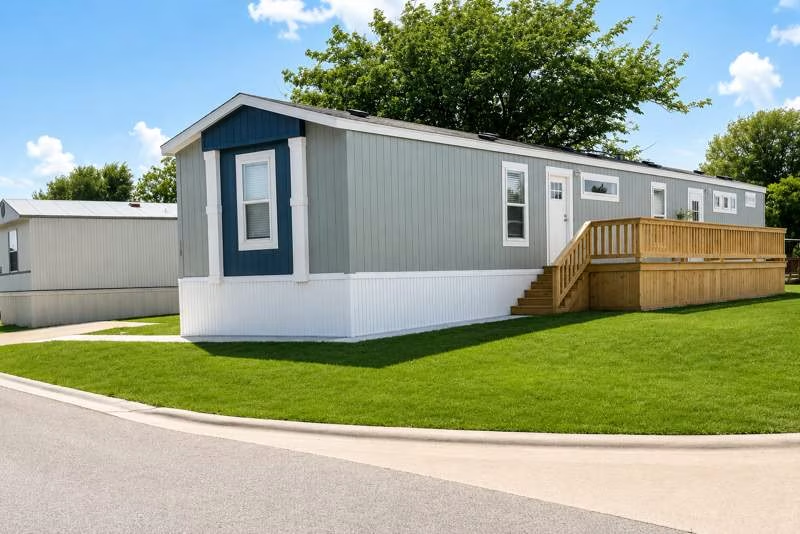
A low monthly payment can look great on paper. Then you drive through a community and notice broken streetlights, poorly kept lots, and no clear sign that anyone is paying attention. That gap is exactly why learning how to choose a managed community matters. You are not just choosing a home site or a floor plan. You are choosing the day-to-day experience around it.
For many renters, buyers, and homeowners planning to move their manufactured home, the right community can bring stability, affordability, and a real sense of belonging. The wrong one can mean ongoing frustration, inconsistent upkeep, and avoidable stress. A managed community should make life easier, not harder.
What a managed community should actually provide
A managed community is more than a place with rules and rent collection. Good management shows up in the details residents live with every day. Streets are maintained. Common areas are clean. Lighting works. Questions get answered. Problems do not sit for weeks without a response.
That matters because affordable housing should still feel dependable. A well-run manufactured home community can offer value without asking residents to settle for disorder or uncertainty. In many cases, professional management is the difference between a neighborhood that feels neglected and one that feels cared for.
Management also affects the parts people do not always think about upfront. Clear applications, predictable payment systems, move-in guidance, lot standards, and resident communication all shape how smooth life feels after the lease or purchase is signed. If a community has online tools for payments and service requests, that can save time and reduce confusion, especially for busy working households.
How to choose a managed community without guessing
The best way to evaluate a community is to look past the sales language and pay attention to what daily life would actually feel like there. Start with the basics, but do not stop there.
Look at upkeep first
Physical condition tells you a lot about how a community is run. Look at the roads, signage, lighting, landscaping, drainage, and shared spaces. If there is a clubhouse, laundry area, playground, or mail center, those spaces should feel maintained and safe.
You are not looking for perfection. Every community has wear and tear. What you want to see is consistency. Are homesites generally neat? Do common areas look cared for? Does the property feel like management is actively involved? That is a stronger sign than a polished brochure.
Ask how management handles everyday issues
A community can sound friendly during a tour and still be hard to deal with once you move in. Ask practical questions. How do residents submit maintenance concerns or community issues? Is there an online portal? How are updates shared? What is the usual response time when something needs attention?
Clear systems matter. They show that management is set up to serve residents, not just fill lots. A good team should be able to explain how communication works without being vague or defensive.
Review the rules and standards closely
Community rules should protect quality of life, not create constant tension. Read them carefully. Pay attention to parking, pets, exterior maintenance, guest policies, and any requirements tied to moving in a home you already own.
This is one of the biggest trade-offs people should think through. Strong standards often support a cleaner, safer environment, but they should still feel reasonable and clearly explained. If the rules seem inconsistent, unclear, or overly strict, that can create friction later.
Compare affordability the right way
If you are figuring out how to choose a managed community, monthly cost matters, but value matters more. Two communities can appear similar in price and deliver very different living experiences.
Ask what is included and what is separate. Is the lot rent straightforward? Are there utility responsibilities, fees, or requirements you should know about? If you are renting a home, what does the monthly payment cover? If you are buying, what should you expect beyond the home itself?
Predictability is part of affordability. Many households are not just looking for the lowest number. They want housing costs they can plan around, in a place that feels stable and well cared for. A slightly higher monthly cost may make sense if management is responsive, the property is maintained, and the overall experience feels more secure.
Make sure the location supports real life
A community may be attractive on-site but still create challenges if the location does not fit your routine. Think about commute times, school access, nearby shopping, medical care, and the general convenience of the area.
This is especially important for families and working adults balancing tight schedules. A good location can reduce daily strain in ways that matter just as much as rent or mortgage cost. It also affects long-term satisfaction. The more a community fits your actual life, the more likely it is to feel like home.
If you are moving your own manufactured home into a community, location becomes even more practical. You will want to confirm lot availability, home age requirements, utility connections, and any site-specific standards before making plans.
Pay attention to the feel of the neighborhood
Some things are hard to measure, but easy to notice. When you visit, ask yourself whether the community feels welcoming, orderly, and lived in with pride. Do residents seem comfortable? Are outdoor spaces being used? Does the atmosphere feel quiet, respectful, and neighborly?
A strong sense of community does not mean everyone knows everyone. It means the environment supports belonging. People feel comfortable where they live. The property encourages a good standard of living without feeling cold or impersonal.
This is one reason managed communities appeal to so many residents. When management takes stewardship seriously, it helps create a place where people can settle in, not just pass through.
What to ask before you apply
Before making a decision, have a direct conversation with the management team. Ask about availability, application steps, payment options, move-in timelines, and resident support. If you are buying a home, ask about financing expectations or qualification requirements if applicable. If you are bringing in your own home, ask exactly what approvals are needed.
You should also ask how the community handles infrastructure improvements and long-term upkeep. Streets, lighting, drainage, and shared amenities do not maintain themselves. Communities that invest in these basics often show a stronger commitment to resident quality of life.
This is where reputation matters too. Reviews and resident experiences can help, but use them with balance. A few comments do not tell the full story. Look for patterns around cleanliness, safety, communication, and responsiveness. Those themes usually tell you more than one glowing or negative statement by itself.
Signs you may want to keep looking
Sometimes the clearest answer is a warning sign. Be cautious if management cannot answer straightforward questions, if pricing feels unclear, or if property standards seem uneven from one area to another. You should also pause if the community looks noticeably different from how it was presented.
Another concern is poor communication during the early stages. If it is hard to get information before you move in, it may not get easier afterward. Respectful, organized communication is not a bonus. It is part of good management.
For many residents, the best fit comes down to trust. You want to feel that the people running the community care about upkeep, fairness, and the resident experience. That trust builds confidence in your decision.
Choosing a place that supports everyday life
The best answer to how to choose a managed community is simple: choose the one that feels dependable when you look past the marketing. Look for a place where management is visible in the upkeep, clear in the process, and committed to creating a neighborhood people are proud to call home.
That kind of community can do more than meet a housing need. It can give you room to breathe, a budget you can live with, and a stronger sense that where you live is being cared for with intention. If a community offers that, you are not just finding a place to stay. You are finding a place to belong.