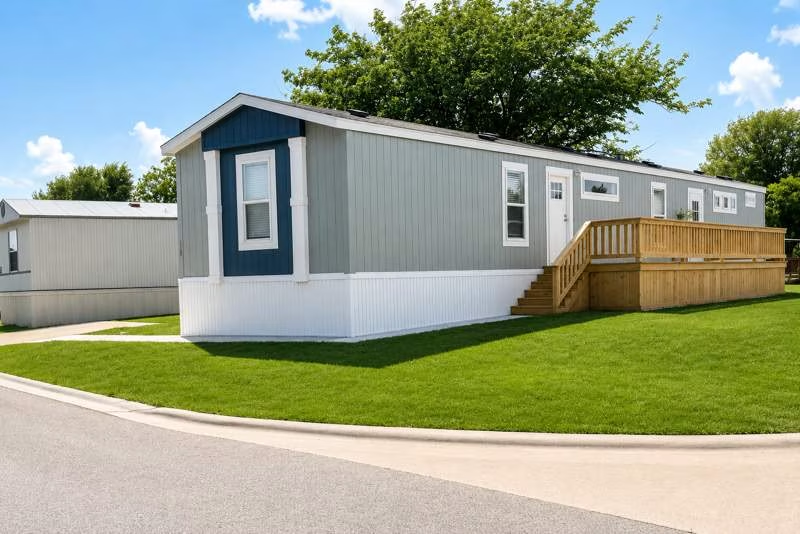
A lease can look affordable at first glance, then feel very different once utilities, fees, rules, and repair expectations start stacking up. That is why the best questions before leasing a home are not just about monthly rent. They are about how the home works, how the community is managed, and whether day-to-day life will feel stable, safe, and worth the cost.
For many renters, especially families and budget-conscious households, the right question is not simply, “Can I afford this?” It is, “Will this home and this community support the way I actually live?” A good leasing experience starts with clear answers. If a property team can explain costs, policies, maintenance, and expectations without hesitation, that usually tells you something valuable about how the community is run.
Why the best questions before leasing a home matter
Leasing a home is more than choosing a floor plan or finding a price that fits your budget. You are choosing your monthly routine, your neighbors, your commute, and the level of support you can expect when something goes wrong. In a well-managed manufactured home community, those details matter even more because people are often looking for a balance of affordability, privacy, and a true neighborhood feel.
The strongest questions help you compare options more fairly. Two homes with similar rent may come with very different total costs. Two communities may both look clean during a tour, but one may be far more consistent about maintenance, lighting, parking, and resident communication. Asking the right questions early saves stress later.
Start with the full monthly cost
The first question should be simple: What will I pay every month, beyond base rent?
This is where many renters get tripped up. You want to know whether utilities are included, whether there are separate charges for water, sewer, trash, parking, lawn care, pet rent, or community fees, and whether renters insurance is required. Ask what your first month will cost too, since move-in expenses often include deposits, application fees, and prorated rent.
A home that looks like a bargain can become less attractive once every added charge is counted. On the other hand, a slightly higher rent may be easier to manage if it covers more of your regular housing costs. Predictability matters when you are trying to keep your household budget steady.
Ask how the lease works in real life
Another smart question is: What are the lease terms, and what happens if my plans change?
You need to know the lease length, renewal process, rent increase policy, and what happens at the end of the term. Ask whether month-to-month options exist after the initial lease and whether there are penalties for ending the lease early. Life changes. Jobs shift, family needs change, and school plans can affect timing.
A clear answer here matters because flexibility has value. Some renters want the security of a longer term and predictable housing costs. Others may prefer a shorter commitment if they are relocating or testing a new area. Neither is better in every case. It depends on what kind of stability you need.
Repairs tell you a lot about management
If you only ask one question about operations, make it this one: How are maintenance requests handled?
Ask how residents submit requests, what counts as an emergency, how quickly typical issues are addressed, and whether there is after-hours support. You should also ask who is responsible for routine upkeep inside and outside the home. In some communities, responsibilities are straightforward. In others, they can be split in ways that surprise new residents.
This is not just about broken appliances or plumbing problems. It is about responsiveness. A well-managed community usually has a process that is easy to explain and easy for residents to use. That kind of structure supports peace of mind.
Understand the condition of the home before you sign
Ask: What is the current condition of the home, and will anything be repaired or updated before move-in?
During a tour, look beyond fresh paint or staged furniture. Check windows, flooring, cabinets, lighting, water pressure, heating and cooling, and the overall cleanliness of the unit. If you notice wear, ask whether it will be fixed before your move-in date and get those commitments in writing when possible.
A home does not need to be brand-new to be a good choice. What matters is whether it has been cared for and whether management is upfront about what you are getting. Honest communication builds trust. Vague answers usually do the opposite.
The community itself matters as much as the home
One of the best questions before leasing a home is also one of the most overlooked: What is living in this community actually like day to day?
Ask about quiet hours, parking, guest policies, amenity access, trash procedures, and community standards. If there is a clubhouse, green space, playground, or shared common area, ask how those spaces are maintained and used. If safety is a major concern for your household, ask about lighting, onsite management presence, and how resident concerns are handled.
This is where a community begins to set itself apart. Clean streets, visible upkeep, and clear expectations create a better experience for everyone. Affordable housing should still feel cared for. A strong community team understands that residents are not just leasing square footage. They are choosing a place to belong.
Clarify the rules before they become a problem
Every leased home comes with rules, but not every renter asks about them early enough. You should ask about pet restrictions, occupancy limits, parking rules, exterior appearance standards, and any policies that could affect your daily routine.
Rules are not automatically a negative. In many communities, they are part of what helps preserve cleanliness, safety, and consistency. The key is transparency. You want to know what is expected so you can decide whether the fit is right for your household.
This is especially important in manufactured home communities, where standards around lots, skirting, yard care, storage, and vehicles may be more specific than in a typical apartment complex. A well-run community should be able to explain not just the rule, but the reason behind it.
Ask about applications and approval timelines
A practical question that saves a lot of stress is: What does the application process require, and how long does it usually take?
You should know what documents are needed, what income or background standards apply, whether all adults must apply, and how quickly decisions are usually made. If you are on a tight timeline, this matters. It also helps you avoid delays caused by missing paperwork.
Communities with organized digital tools often make this process easier, which can be especially helpful for working adults balancing jobs, family schedules, and a move. A smooth application process is not just convenient. It usually reflects a management team that values clear communication.
If utilities and infrastructure matter, ask directly
Not every renter thinks to ask about infrastructure, but they should. Find out how heating and cooling are handled, what internet options are available, and whether the roads, lighting, drainage, and common areas are maintained consistently.
These details shape daily comfort. A home may meet your budget, but poor lighting, unreliable utility setups, or neglected surroundings can make the experience frustrating. If you are touring a manufactured home community, pay attention to street condition, lot appearance, and how common spaces are kept up. Those are visible signs of operational standards.
In communities like Medallion Communities, where management and property upkeep are part of the resident experience, these details are not small. They are part of how affordability and quality work together.
Ask what current residents tend to value
You may not always get direct access to residents during a tour, but you can still ask the leasing team: What do current residents appreciate most about living here?
This question does two things. First, it gives you insight into what the community believes its strengths are. Second, it helps you hear whether the answer goes beyond sales language. Strong answers tend to include real specifics, such as responsive maintenance, a welcoming atmosphere, clean grounds, or a sense of stability.
If the response is vague, keep asking. A good community should be able to explain what daily life feels like, not just what is available on paper.
Questions for renters bringing their own manufactured home
If you already own a manufactured home and are looking for a leased lot, your questions need to be more specific. Ask what lot rent includes, what home age or size requirements apply, whether the community accepts home moves, and what utility connections and site standards are required.
You should also ask about timing, approvals, skirting or setup expectations, and any additional inspections. Moving a home into a community involves more logistics than leasing one already in place. Clear policies can make the process much easier to plan.
Trust clear answers more than polished tours
A clean model home or friendly tour matters, but clarity matters more. The best leasing experience usually starts with a property team that answers questions directly, explains expectations plainly, and treats your decision like it deserves care.
When you ask thoughtful questions, you are not being difficult. You are protecting your budget, your comfort, and your peace of mind. A good community will respect that. And when the answers line up with what your household needs, leasing a home feels less like a gamble and more like a confident next step.