You find a home that looks perfect, the monthly payment seems doable, and then the real numbers show up: utilities you did not plan for, insurance, a higher tax bill than you expected, or a one-time move-in cost that wipes out your savings. That is how people end up feeling stretched in a place they actually like.
If you want a housing payment you can live with long-term, you need a full-cost estimate - not just the headline rent or mortgage. Here is how to estimate total housing costs in a way that feels realistic for day-to-day life, whether you are renting, buying, or moving an existing manufactured home into a well-managed community.
What “total housing costs” actually means
Total housing costs are the predictable monthly bills plus the less obvious expenses that still come out of your pocket. Some items are fixed, like your rent or loan payment. Others are variable, like electric bills that spike in summer, or maintenance that shows up when a water heater finally quits.
The goal is not to guess the exact number to the penny. The goal is to avoid surprises by building a range - a “comfortable month” number and a “tighter month” number - so you know what you can commit to with confidence.
Step 1: Start with the base payment - and define what it includes
Begin with your base monthly cost.
If you rent, that is your monthly rent. Ask what is included: water, sewer, trash, lawn care, or community services can be bundled in some housing setups and separate in others.
If you buy, use your full monthly loan payment estimate, not just principal and interest. Many lenders roll taxes and insurance into the payment (escrow), but not always. If you are comparing options, make sure you are comparing the same “all-in” number.
If you already own a manufactured home and plan to move it, your base payment may be lot rent plus any community charges. Because that structure is different from a traditional apartment lease, clarity on what is included matters even more.
A practical way to keep this clean is to write the base payment as one line and then list every other cost separately, even if someone says, “it is usually included.” “Usually” is not a budget.
Step 2: Add utilities using a real-world range
Utilities are where budgets get quietly blown up. Even small differences can add up fast, especially if you are moving from an apartment with shared walls to a single-family style home.
If you can, ask for typical ranges by season. When that is not available, build a conservative range yourself.
Common utilities to price in
Electricity and gas (or propane) usually swing the most with weather. Water, sewer, and trash may be billed by the city, by a service provider, or included in a community fee. Internet is often overlooked because it feels optional until you need it for work, school, or everyday life.
Instead of budgeting one number, budget two: a low month and a high month. Your “high month” number should reflect the hottest or coldest part of the year and assume you are living normally - not sitting in the dark to save money.
Step 3: Include insurance, even if you are renting
Insurance is one of the most affordable protections you can buy, and it is also one of the easiest costs to forget.
Renters insurance typically covers your belongings and personal liability. Homeowners insurance (including manufactured home insurance) can vary based on the home, location, and coverage choices.
Treat insurance as a monthly cost even if you pay it annually. Divide the annual premium by 12 and put that number into your housing budget. If you do not have the exact quote yet, use a placeholder and adjust later. What matters is that the budget has a slot for it.
Step 4: Taxes, fees, and required payments that do not feel like “housing”
This is where a “good deal” can become expensive.
If you buy, property taxes are part of the real monthly cost of ownership. They can change over time, and they can be reassessed after a sale. If you are looking at any home purchase, do not rely only on what the current owner paid.
If you rent in a community setting, there may be standard fees tied to the property or services. That could include things like pest control, amenity access, or other recurring charges depending on the location and agreement. The key is simple: get the full list of recurring monthly charges in writing and treat them as part of your base housing cost.
Also plan for application fees, background checks, or administrative fees if they apply. Those are not monthly, but they are still part of the cost to secure the home.
Step 5: Maintenance and repairs - budget even when “nothing is wrong”
Maintenance is the biggest difference between “I can afford this payment” and “I can afford living here.” Even if you are not responsible for major repairs as a renter, you will still have routine costs: air filters, light bulbs, minor fixes, and the occasional replacement.
If you own, you need a maintenance reserve. Many households use a rule of thumb, but your real number depends on the home’s age and condition. A newer home may have lower costs for a while, then higher costs later. An older home may need steady upkeep.
A reasonable approach is to set a monthly maintenance line item that you actually transfer into savings. When something breaks, you pay from that reserve instead of reaching for a credit card.
Step 6: Move-in and one-time costs - spread them over the first year
People often budget for the monthly payment and forget that getting into the home can cost a lot upfront.
Move-in costs can include a security deposit, first month’s rent, utility deposits, moving truck or movers, and basic setup expenses like curtains or a few pieces of furniture. Even if you buy, you may have closing costs, inspections, appraisal fees, and upfront escrow requirements.
If you are moving a manufactured home you already own, your one-time costs can include transportation, setup, tie-downs, skirting, steps, permits, and utility connections. These are highly location-dependent, so get quotes early.
To make these one-time costs feel real, amortize them. Add them up, divide by 12, and add that number to your estimated monthly housing cost for the first year. It is not forever, but it tells you the truth about your cash flow.
Step 7: Transportation and time - the “silent” housing cost
Two homes with the same rent can cost very different amounts if one adds 30 minutes each way to your commute.
Include:
- Gas or transit costs
- Parking fees if applicable
- Wear and tear on your car
- Childcare changes if location affects your schedule
Time is part of cost too. If a move adds hours to your week, that can affect overtime opportunities, family routines, and stress. A community that keeps you close to work, school, and essentials can be a real financial advantage, not just a lifestyle perk.
Step 8: Build your “all-in monthly” number using three scenarios
Once you have each line item, do not stop at a single total. Create three totals.
Scenario A: Best-case month
Use your low utility estimate and assume no unusual expenses. This is the month where everything behaves.
Scenario B: Normal month
Use mid-range utilities and include your typical ongoing costs. This is the number your budget should comfortably handle.
Scenario C: High-cost month
Use your high utility estimate and add a realistic “life happens” amount: a minor repair, a medical co-pay, a car issue, or a higher grocery bill. Your housing cost did not change, but your ability to pay it did.
If Scenario C breaks your budget, that is not a reason to give up. It is a signal to adjust: choose a different home price point, reduce other monthly commitments, increase your cash buffer, or look for a housing option with more predictable costs.
How this looks for manufactured home community living
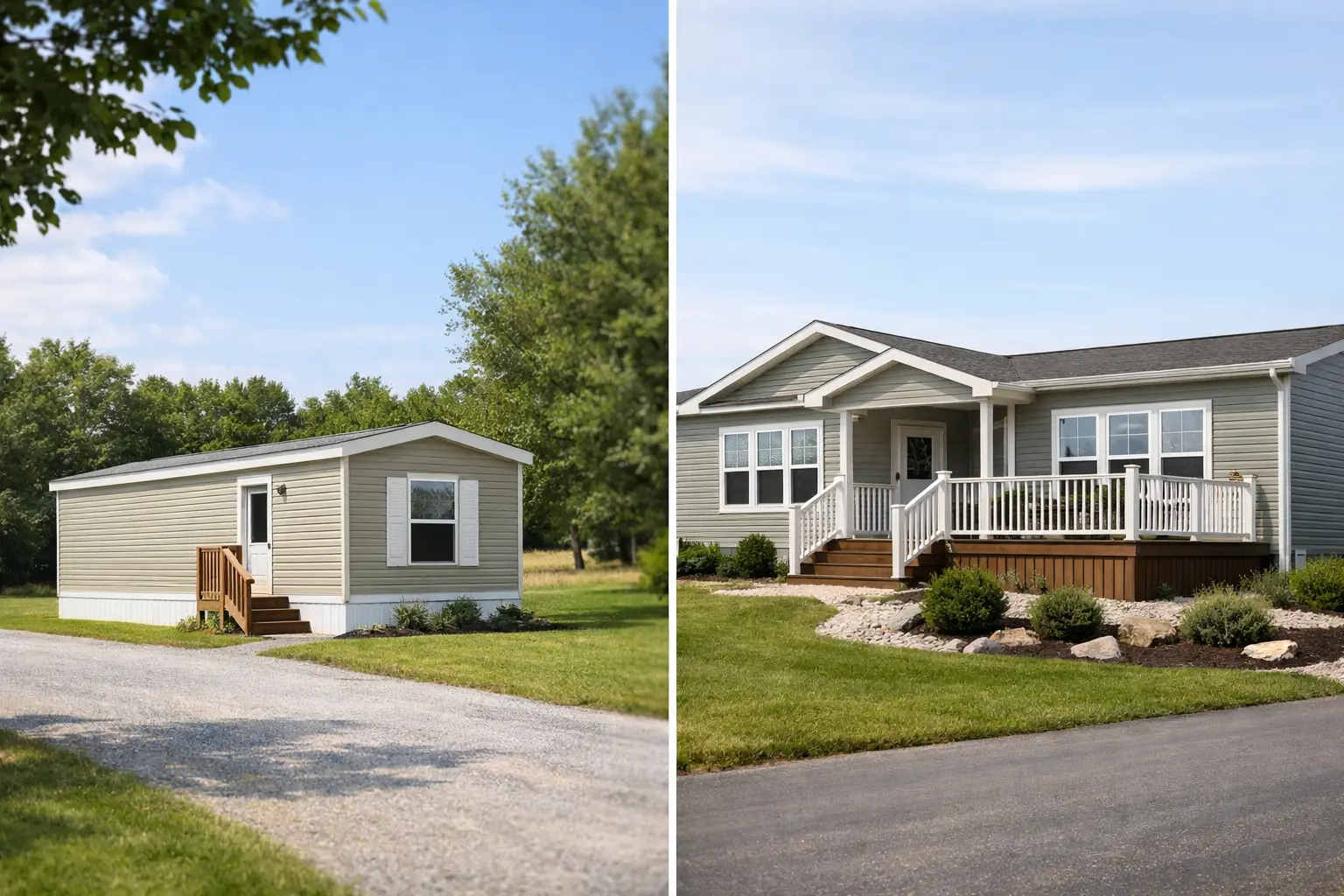
Manufactured home community living is often chosen because it can offer a more attainable path to stable housing - with a neighborhood feel and space that can be hard to find at the same price in traditional rentals.
But it still needs a total-cost approach. Depending on whether you rent a home, buy a home, or bring one in, your mix of costs will change.
If you rent a manufactured home, you may have a single monthly payment that covers the home and the site, or you may have separate charges depending on the arrangement. Ask which utilities are included, what services are covered, and how maintenance responsibilities are handled.
If you buy a home in a community, your “housing cost” usually becomes the loan payment (if financed) plus lot rent, utilities, insurance, and maintenance. That combination can still be very competitive, but you want it on paper so the affordability is real, not assumed.
If you bring your own home into a community, pay extra attention to the one-time move and setup costs and any ongoing requirements tied to community standards. Strong management and clear rules are not there to make life harder - they protect the look, safety, and long-term value of the neighborhood.
If you want a starting point while you compare options, Medallion Communities shares home listings and community information at https://medallioncommunities.com, which can help you see prices and availability by location.
A quick reality check: what “affordable” should feel like
Affordable is not just a number. It is a feeling of stability.
If your total monthly housing cost leaves you unable to handle a surprise bill, you are not budgeting for a home - you are budgeting for a best-case version of your life. The strongest plan is one where your normal month feels manageable and your high-cost month feels survivable without panic.
Leave yourself room to breathe. That breathing room is what lets you enjoy your home and your community, not just make the payment.