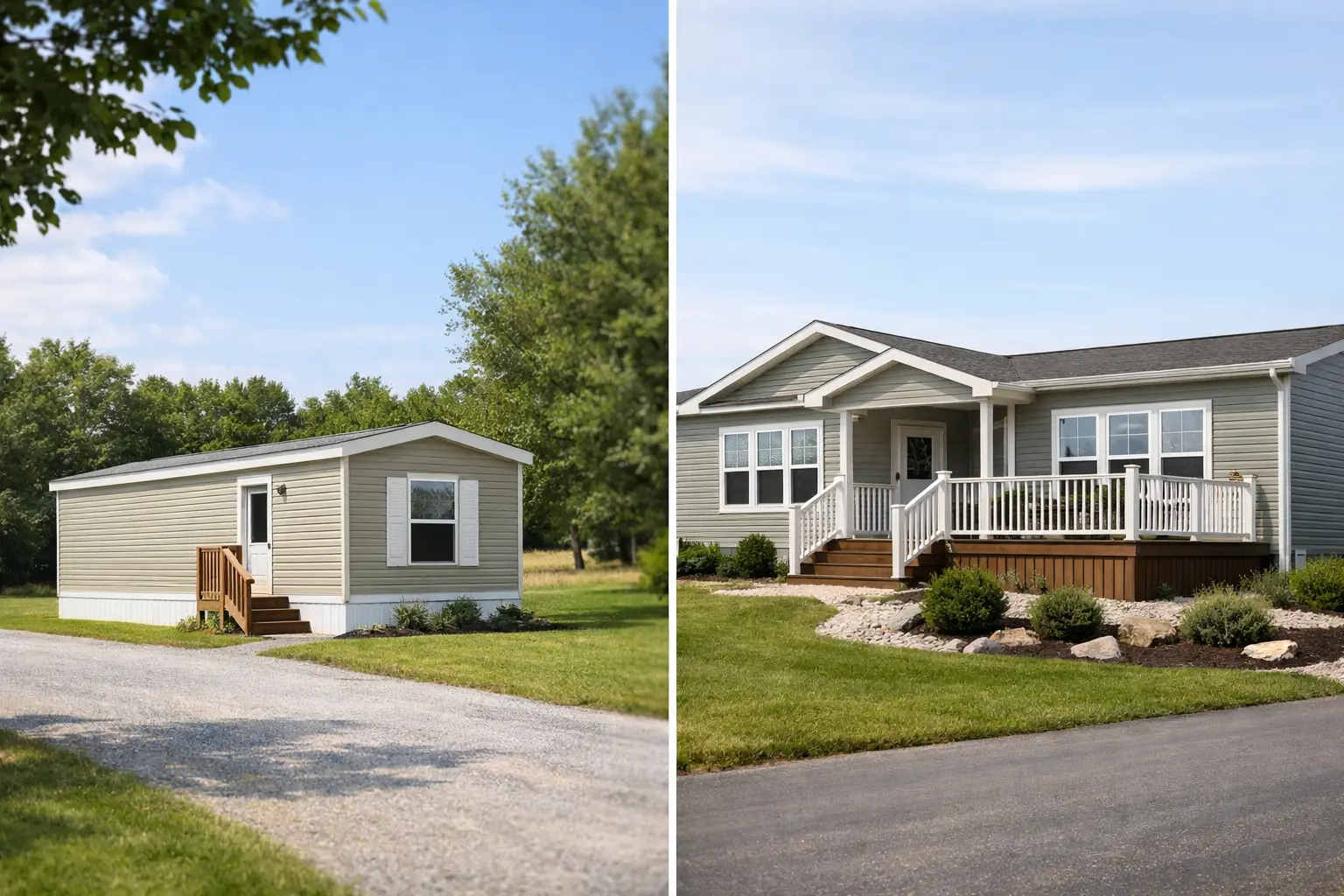
A manufactured home can lower your monthly housing costs without asking you to give up comfort, privacy, or a real sense of home. If you're learning how to buy a manufactured home, the smartest place to start is not with square footage or finishes. It starts with the full picture - your budget, where the home will sit, and whether the community around it supports the life you want.
For many buyers, that last part matters more than they expected. A home may look affordable on paper, but the day-to-day experience depends on the neighborhood, management, upkeep, and whether you feel settled there. Buying well means looking at both the home and the place it belongs.
How to buy a manufactured home without surprises
The biggest mistake buyers make is treating a manufactured home like every other home purchase. Some parts are familiar, like credit, insurance, inspections, and closing costs. Other parts are different, especially when it comes to land, home classification, community rules, and financing options.
A good purchase usually happens in this order: set a realistic monthly budget, decide whether you'll place the home on private land or in a land-lease community, compare new and pre-owned homes, line up financing, review the site and community requirements, inspect the home, and then close with a clear understanding of every recurring cost.
That order matters because one choice affects the next. If you buy first and ask questions later, you can end up with transport costs, lot requirements, or loan terms that change the math fast.
Start with the monthly payment, not the sticker price
An affordable purchase price does not always mean an affordable home. The better question is what you can comfortably pay each month while still leaving room for utilities, insurance, repairs, and normal life.
If the home will be placed in a community, ask about lot rent, utility billing, pet fees, parking rules, and any application or move-in costs. If the home will go on private land, factor in land purchase price, site prep, permits, utility hookups, skirting, steps, driveways, and ongoing property taxes.
This is where buyers often see the value of a well-managed community. Predictable lot costs, maintained streets, lighting, clear standards, and responsive management can make monthly housing expenses easier to understand and easier to live with. Cheap land or a neglected property can look appealing until hidden costs show up.
Decide where the home will live
Before you choose a floor plan, choose the setting. That means deciding between private land and a manufactured home community.
Private land gives you more control, but it also places more responsibility on you. You may need to handle zoning, site grading, septic or sewer, water access, utility connections, and long-term property maintenance. For some buyers, that independence is worth it. For others, it creates too much uncertainty up front.
A community can simplify the process. You know the home is going into a location already set up for this housing type, and you can evaluate the environment before you commit. The trade-off is that you will need to follow community rules and pay lot rent if you do not own the land beneath the home.
Neither option is automatically better. It depends on whether you value flexibility more than convenience, and whether your budget works better with land ownership or with a community model.
New or pre-owned? Both can make sense
A new manufactured home gives you modern layouts, updated materials, new systems, and fewer immediate maintenance concerns. It may also be easier to customize before move-in. The downside is cost. New homes usually come with a higher purchase price and may still require delivery and setup expenses.
A pre-owned manufactured home can be a strong value if it has been well maintained and is priced fairly. In an established community, a resale home may already be set, connected, and ready for occupancy, which can reduce hassle. But age matters. Older roofs, HVAC systems, plumbing, flooring, and windows can turn a bargain into a project.
This is one of those it-depends decisions. If your priority is the lowest upfront cost, pre-owned may be the better fit. If your priority is lower maintenance and a more current layout, new may justify the extra expense.
Know how financing works
Financing is often the most confusing part of how to buy a manufactured home, because the loan depends on what exactly you are buying. In some cases, the home is financed more like personal property. In others, especially when the home is permanently affixed to owned land and meets lender requirements, it may qualify for a mortgage-style loan.
That difference can affect down payment size, loan term, and interest rate. Ask lenders early what loan types they offer for manufactured homes, whether they finance homes in communities, what age restrictions apply, and whether the home must be titled in a certain way.
You should also ask for a full payment estimate, not just a rate quote. A complete estimate includes principal, interest, lot rent if applicable, taxes, insurance, and any lender fees. That number tells you whether the purchase truly fits your budget.
If you are buying within an established community, it also helps to ask whether the home and the lot meet the lender's standards. The smoother the fit between lender requirements and community requirements, the fewer delays you are likely to face.
Look closely at the community, not just the home
If your home will be in a land-lease community, the neighborhood deserves the same attention as the floor plan. This is where your daily experience will be shaped.
Walk the streets. Look at lighting, drainage, road condition, landscaping, and how homesites are maintained. Ask how maintenance requests are handled and what residents can expect from management. A clean, well-run community usually signals more than appearance. It shows standards, follow-through, and respect for residents.
You should also review the rules before you sign anything. Ask about guest parking, pets, exterior improvements, fencing, storage buildings, and whether future home sales require community approval. Clear rules are not a red flag by themselves. In many cases, they help protect the look, safety, and stability of the neighborhood.
For buyers who already own a manufactured home and want to move it into a community, site compatibility is critical. The home's size, age, condition, and transport readiness all need to align with the community's requirements. This is the kind of detail worth confirming before you spend money on moving plans.
Inspect the home like a serious buyer
Even if the home looks move-in ready, inspection matters. A professional inspection can uncover structural issues, roof leaks, moisture damage, soft floors, electrical problems, HVAC concerns, and signs of poor prior repairs.
For a pre-owned home, ask about the age of the roof, water heater, furnace or heat pump, and appliances. Look under sinks, around windows, near the ceiling, and along the skirting for water intrusion or deferred maintenance. If the home has been moved before, ask for documentation and confirm that the setup is stable and compliant.
For a new home, inspection is still worthwhile. New does not always mean perfect. You want to catch setup problems, finish defects, or installation issues while remedies are still straightforward.
Review every document before closing
By the time you reach closing, most of the emotional decision-making should be over. This is the stage for careful reading.
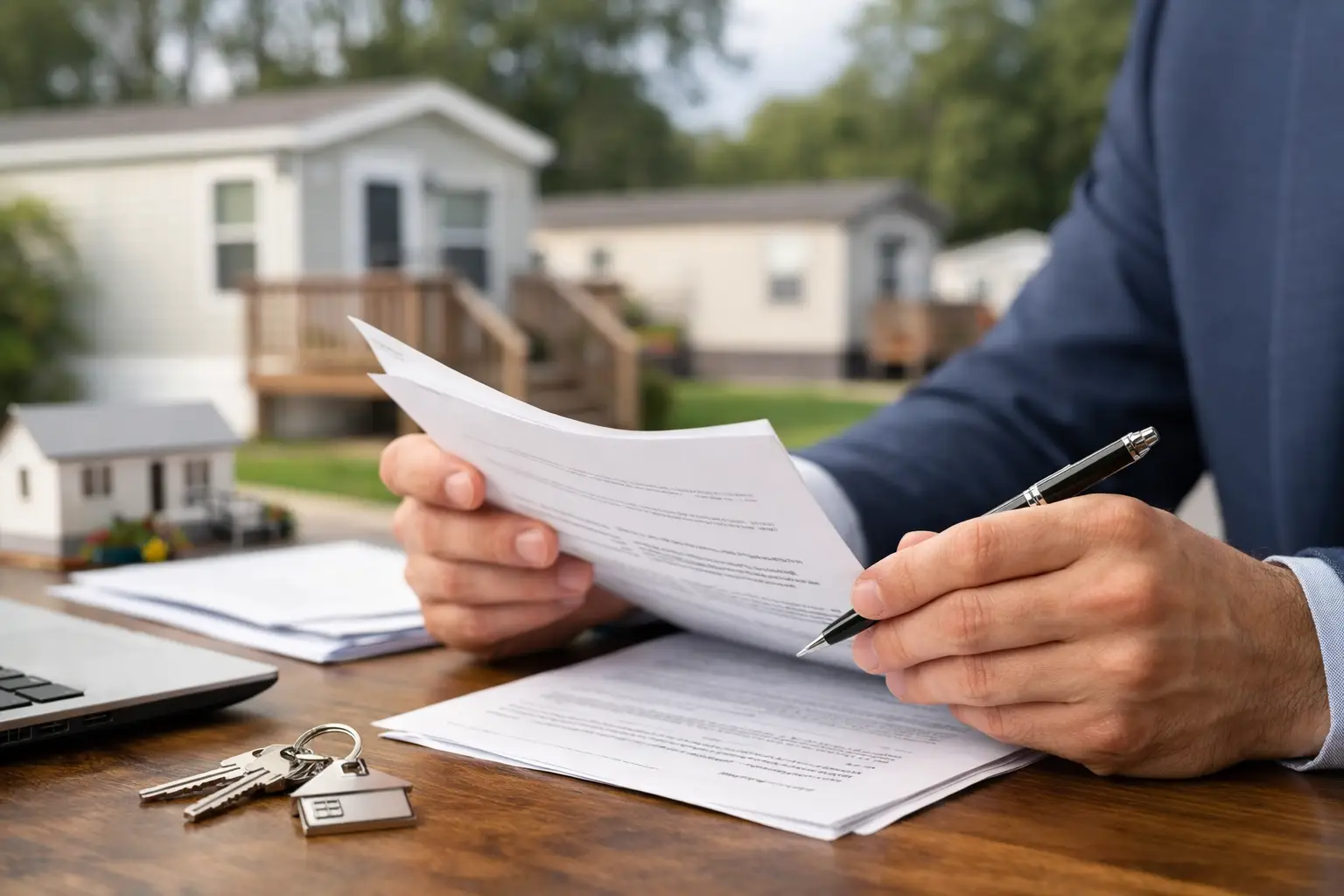
Review the purchase agreement, financing terms, title details, warranty information, lot lease if applicable, community rules, and any addenda covering repairs or included items. If something was promised verbally, make sure it appears in writing. That includes skirting, steps, appliances, site work, or repair timelines.
You should also confirm your move-in costs and your first month's obligations. Sometimes buyers focus so hard on the down payment that they forget about deposits, utility setup, insurance premiums, and prorated charges.
A clear closing should leave you knowing exactly what you own, what you lease, what you owe each month, and who to call when you need support.
A better purchase is about fit, not just price
The best manufactured home purchase is not always the cheapest one. It is the one that works month after month - financially, practically, and personally. A home in a clean, attentive, community-minded setting may offer more real value than a lower-priced option with unclear rules or poor upkeep.
If you are comparing options, take your time and ask direct questions. Look for a home that fits your budget, but also look for a place where you can settle in and feel secure. At Medallion Communities, that combination of affordability, belonging, and reliable management is exactly what many buyers are looking for. When the home and the community both make sense, the decision gets a lot easier.