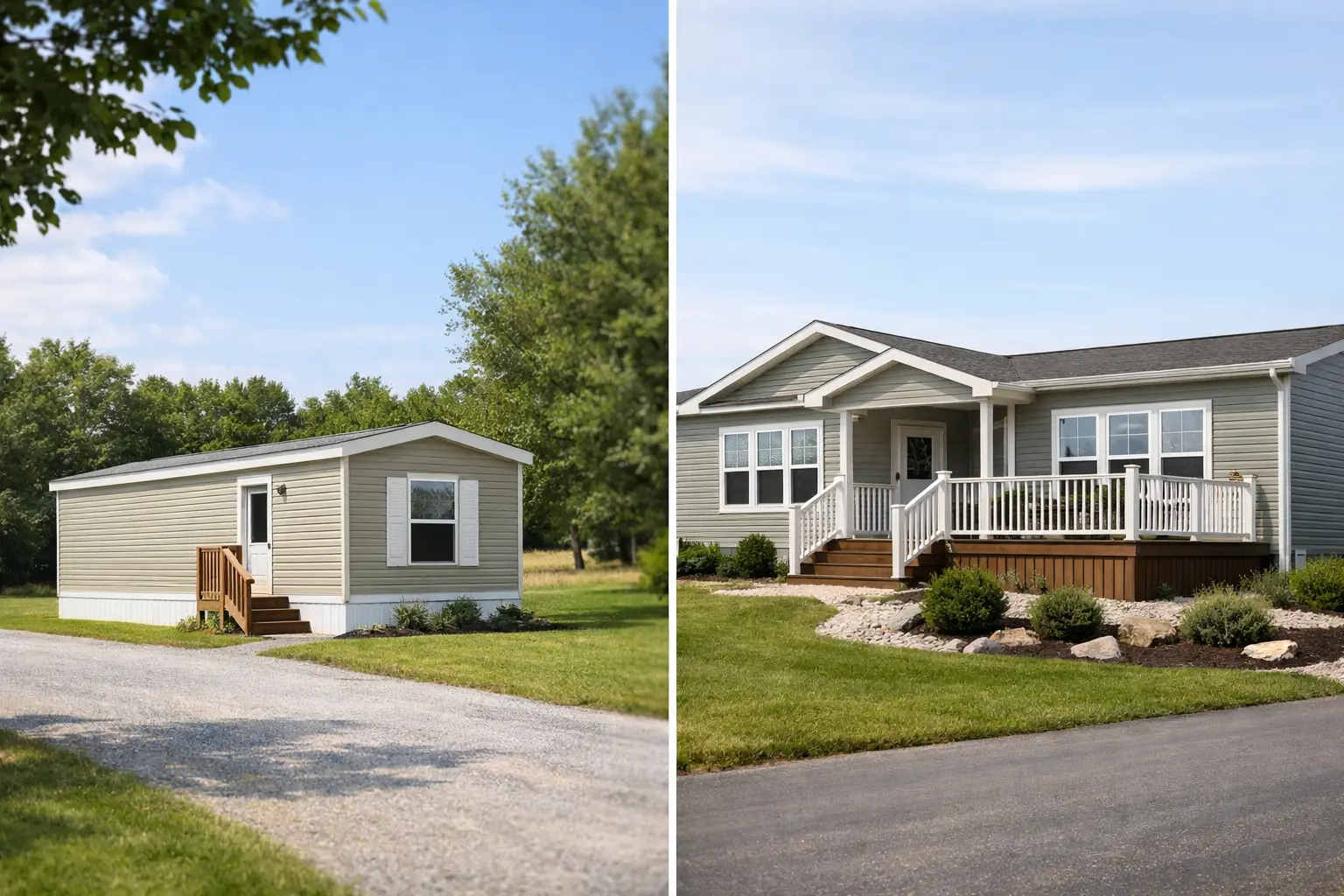
The first five minutes of a community tour tell you a lot.
Not because every great neighborhood looks polished in the same way, but because care shows up in visible details. Streets that are maintained. Lighting that feels intentional. Homes and common areas that reflect consistent standards. A team that knows the property and answers questions clearly. If you are trying to figure out how to tour a manufactured home community, the goal is not just to see an available home. It is to understand what daily life will feel like after move-in.
That matters because affordability is only part of the decision. Most renters, buyers, and homeowners looking for a place to move their home want the same things: stability, safety, responsive management, and a neighborhood that feels like it is being looked after. A good tour helps you see whether a community delivers on those basics in a real, lived-in way.
How to tour a manufactured home community with the right mindset
Treat the tour like a housing decision, not a casual drive-through. You are not only shopping for square footage or a monthly payment. You are evaluating the full environment around the home.
Before you arrive, know what type of move you are considering. Are you looking to rent a home, buy one, or bring in a manufactured home you already own? Each path changes the questions you should ask. A renter may focus on monthly costs, lease terms, and maintenance response times. A buyer may want to understand financing options, title details, and long-term costs. A homeowner planning to move a home into the community should ask about lot availability, age or size requirements, utility connections, and approval standards.
It also helps to define your non-negotiables ahead of time. If you need off-street parking, pet-friendly policies, a shorter commute, or access to a clubhouse or green space, write that down. A clear list keeps you from getting distracted by a nice kitchen or a freshly painted exterior while missing something that will affect daily life.
What to notice before you step inside a home
The community itself deserves as much attention as the home. Start with the roads, signage, and overall upkeep. Are the entrances easy to find and welcoming? Do streets appear maintained? Is there visible attention to landscaping, lighting, drainage, and common spaces?
None of those details are cosmetic. They point to how the property is managed over time. A well-run manufactured home community usually shows consistency. You can tell when standards are established and followed. That does not mean every home will look identical, because real communities have personality. It means the neighborhood feels cared for, orderly, and comfortable.
Pay attention to how the community feels in motion. Are residents out walking, talking, or using shared spaces? Does the atmosphere seem quiet, active, family-oriented, or more mixed? There is no single right answer, but there should be a sense that people can live there comfortably. If the property includes amenities such as a clubhouse, playground, mail center, or laundry area, ask to see them. Shared spaces often reveal a lot about daily quality of life.
Questions that make a tour more useful
If you want to know how to tour a manufactured home community well, ask questions that go beyond the sales sheet.
Start with the basics. What is included in the monthly cost, and what is separate? For renters, that may mean clarifying utilities, deposits, pet fees, and lease terms. For buyers, it may mean understanding lot rent, community fees, taxes, and any home-specific costs. If you already own a home, ask what site preparation, permits, or setup requirements could affect your budget.
Then ask about management. How are maintenance requests handled? Is there an online resident portal? What is the application process like? How long does approval usually take? Clear answers here matter because responsive management is one of the biggest factors in resident satisfaction.
Community rules are another important topic. Ask about parking, pets, guest policies, exterior improvements, storage, and quiet hours. Good rules are not there to make life harder. In a well-managed community, they help protect cleanliness, safety, and consistency across the neighborhood. The key is whether the rules feel reasonable and clearly communicated.
It is also fair to ask about recent improvements. Have streets, lighting, utility systems, or common areas been upgraded? That question often tells you whether ownership is investing in the property or simply maintaining appearances.
How to tour a manufactured home community and evaluate the home itself
Once you step inside the home, tour it as you would any residence, but keep community-specific context in mind.
Look at layout, storage, natural light, and the general condition of walls, floors, cabinets, and fixtures. Turn on faucets. Check water pressure. Notice whether doors close properly and whether windows appear well-sealed. Ask about the age of major systems if that information is available, including HVAC, roof, and appliances.
If the home is for rent, ask what maintenance responsibilities belong to management and what falls to the resident. If the home is for sale, ask what warranties or disclosures apply. If you are planning to place your own home on a site, focus less on the interior and more on lot dimensions, utility hookups, skirting requirements, steps, parking, and any installation standards.
This is also the moment to think about fit. A home can be clean and functional without being right for your household. Families may need better bedroom separation or outdoor space. Working adults may care more about commute time, noise levels, and reliable parking. Buyers may be comfortable taking on cosmetic updates if the neighborhood feels stable and well-managed. Renters may prefer a home that is move-in ready with predictable costs from day one. It depends on your priorities.
Watch for the difference between presentation and management
A polished tour is helpful, but it should not be the only thing that impresses you. The better signal is whether the experience feels transparent.
Are answers direct, or do they stay vague when you ask about fees, rules, or timelines? Does the team explain next steps clearly? Do they seem to know the community, or are they only focused on closing quickly? Confidence is good. Pressure is not.
This is especially important in manufactured housing because many people are trying to separate outdated stereotypes from reality. A strong community does that with facts and visible standards, not with promises alone. When streets are maintained, homes are cared for, expectations are clear, and management is attentive, the experience feels different. You are not being asked to imagine what the community could become. You can see what it already is.
Compare communities the smart way
If you are touring more than one property, compare them on paper after each visit. That sounds simple, but it helps.
Write down the monthly cost, what is included, the condition of the home, your impression of the neighborhood, the quality of amenities, and how the management team handled your questions. Include anything that affects everyday living, such as lighting, parking, distance to work, and how comfortable you felt walking the property.
Do not assume the lowest advertised price is the best value. A slightly higher monthly cost may come with stronger management, better infrastructure, cleaner common areas, or a more stable environment. On the other hand, if a community offers features you do not need, those extras may not matter as much as a practical floor plan and a location that fits your routine.
For people searching across multiple locations, using community search tools and filtering by state, home type, and price range can make the process faster. On https://medallioncommunities.com, that kind of search can help narrow your options before you book a tour, which means you spend more time visiting communities that actually match your budget and goals.
Know when a tour gives you a yes
Sometimes the right community is obvious for practical reasons. The price works, the home fits, and the move-in process feels straightforward. Other times, the deciding factor is more personal. You can picture your routine there. You feel comfortable with the standards. You trust the management team to maintain the property and address issues when they come up.
That is what a good tour should give you - not pressure, but clarity. When you know what to look for, how to tour a manufactured home community becomes less about sales language and more about seeing whether a place feels cared for, connected, and ready to support everyday life.