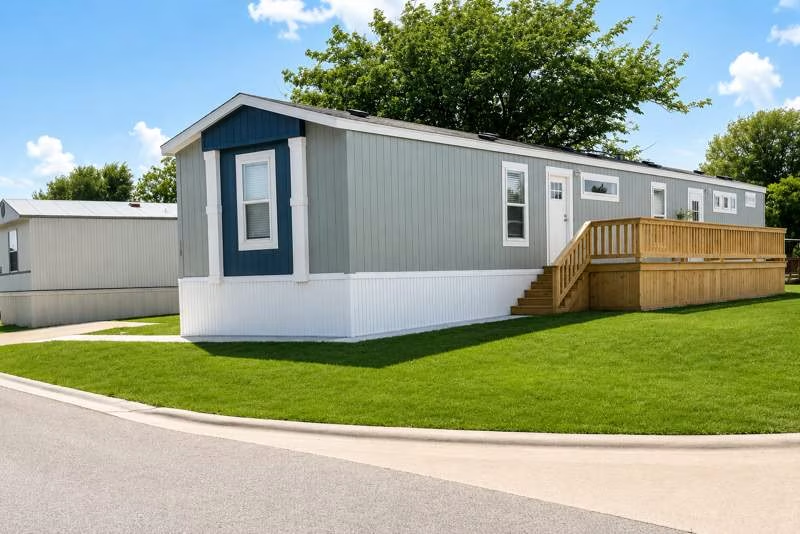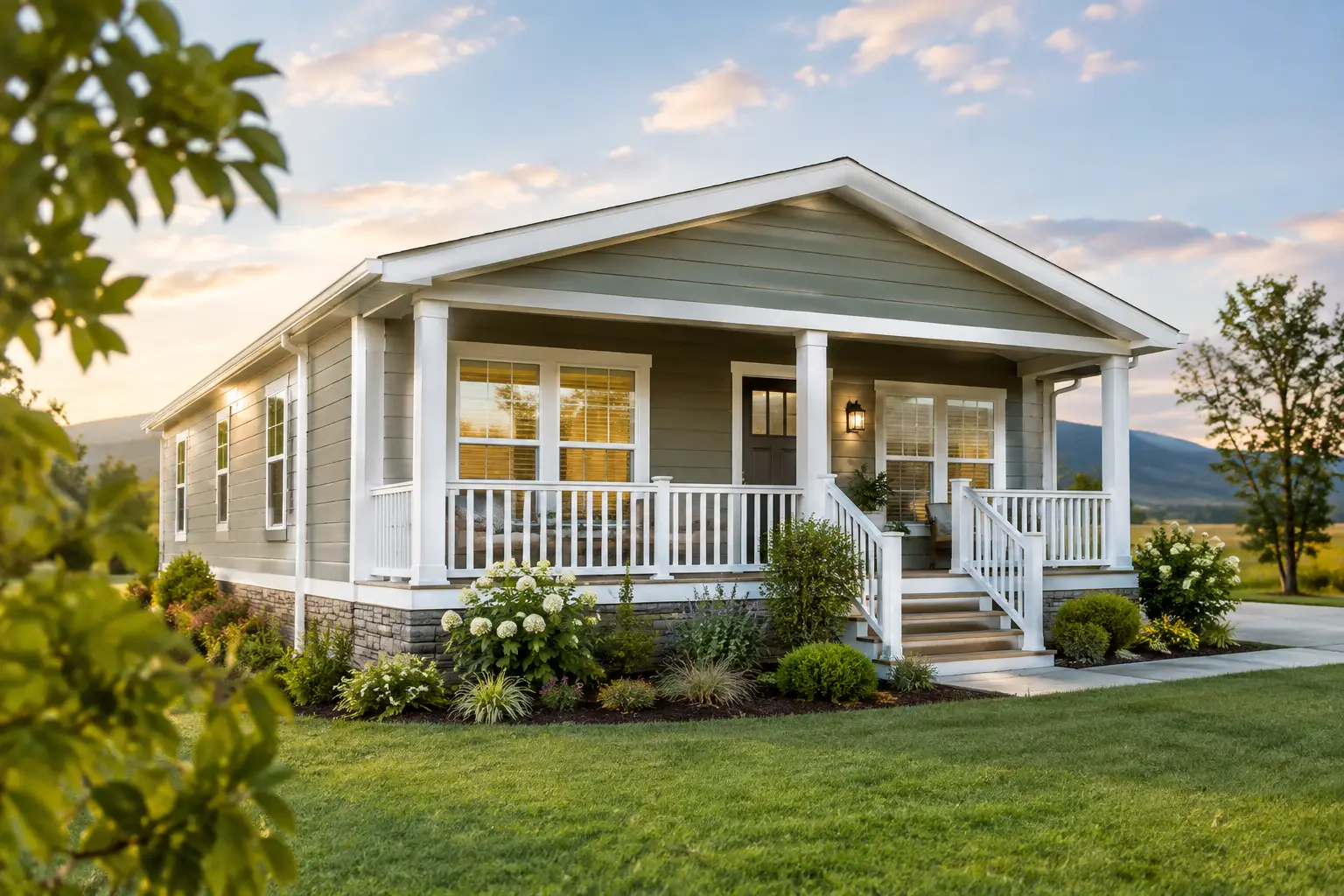
A well-designed manufactured home does more than look good on move-in day. It can make mornings easier, family time more comfortable, and monthly housing costs feel like a smart tradeoff rather than a sacrifice. The strongest manufactured home design trends reflect what residents want most: a clean, welcoming home with room to live, finishes that hold up, and a style that feels personal.
For families, working adults, first-time buyers, and renters seeking an attainable place to call home, design is part of everyday quality of life. A bright kitchen, practical storage, and a comfortable front porch can change how a home feels. The goal is not to chase every passing trend. It is to choose features that support a stable, enjoyable life.
Manufactured Home Design Trends Center on Everyday Living
The best home designs are becoming more intentional about how people actually use their space. Instead of treating every room as separate, newer layouts often create natural connections between cooking, dining, relaxing, and spending time together.
Open-concept living areas remain popular because they make efficient square footage feel more generous. A kitchen that opens to the living room lets a parent prepare dinner while staying part of the conversation. It gives guests a place to gather without crowding one room. For smaller households, it can make a home feel less segmented and more flexible.
That said, open layouts are not the only good answer. Some residents prefer a little separation between the kitchen and living space, especially when they work from home, have different schedules, or value quieter rooms. The most appealing floor plans balance openness with useful boundaries, such as a kitchen island, a dining nook, or a short hallway that creates privacy around bedrooms.
Kitchens That Work Hard Without Feeling Formal
Kitchens continue to be a focal point, but the trend is less about luxury for its own sake and more about practical upgrades. Residents are drawn to bright cabinetry, easy-care countertops, durable flooring, and storage that keeps daily essentials within reach.
White and light neutral cabinets remain a strong choice because they help kitchens feel clean and open. Warm wood tones are also returning, often paired with simple hardware and understated countertops. These finishes can create a comfortable, lived-in look without making a home feel dark or dated.
An island or peninsula can be especially valuable in a manufactured home. It may provide added counter space, casual seating, and a natural divide between the kitchen and living area. The right option depends on the layout. In a compact home, an oversized island can restrict movement, while a smaller peninsula may deliver the same usefulness with a better traffic flow.
Flexible Rooms for Changing Needs
One of the most practical design shifts is the move toward flexible spaces. A spare bedroom is no longer just a guest room. It might serve as a home office during the week, a homework space for kids, a hobby room, or a place for visiting family.
This matters because a home should adapt as life changes. A household may grow, a resident may begin working remotely, or an adult child may need a temporary place to stay. A room with good lighting, a closet, and enough wall space for a desk or storage can serve several purposes over time.
When evaluating a floor plan, it helps to picture a normal weekday rather than only a staged model home. Where would backpacks go? Is there a quiet spot for a video call? Can laundry be managed without disrupting the whole household? Those questions often reveal more about a home’s long-term fit than a decorative accent wall.
Durable, Low-Maintenance Materials Have Staying Power
Design trends are most useful when they make homeownership and renting easier to manage. That is why durable finishes are earning as much attention as color palettes. Residents want homes that can stand up to pets, children, busy workweeks, and everyday spills without demanding constant upkeep.
Luxury vinyl plank flooring remains a popular choice for main living areas. It offers the warm appearance of wood with easier cleaning and better resistance to daily wear than many traditional flooring options. It is particularly practical in entryways, kitchens, and dining spaces where messes are more likely.
Neutral wall colors also continue to make sense. Soft whites, warm grays, and light beige tones give residents a versatile backdrop for their own furniture, artwork, and family photos. A neutral base does not have to feel plain. Texture, colorful pillows, window treatments, plants, and framed prints can bring personality to a room without committing to a style that may feel dated in a few years.
Matte black fixtures and hardware remain popular in moderation, especially when paired with warm wood or light cabinetry. Brushed nickel and oil-rubbed bronze can be equally timeless. The best choice is usually the one that suits the home’s overall finishes and is easy to maintain, not the one that happens to be everywhere on social media.
Natural Light and Comfort Are Design Priorities
A home feels more inviting when it has good light. Larger windows, thoughtfully placed windows, and lighter interior finishes can help rooms feel open without increasing the home’s footprint. Natural light also supports the sense of calm that many residents want after a long day.
Window coverings deserve attention, too. Simple blinds offer privacy and light control, while curtains can add softness and color. In bedrooms, room-darkening options can be worthwhile for shift workers, young children, or anyone who values a better night’s sleep.
Comfort also includes energy use. Energy-efficient appliances, well-sealed windows, quality insulation, and efficient heating and cooling systems can help support predictable household costs. The exact savings depend on the home, local climate, utility rates, and resident habits, but efficient features can make a meaningful difference over time.
Outdoor Spaces Extend the Home
A front porch, patio, or small outdoor seating area can become one of the most enjoyed parts of a home. It creates a place for morning coffee, a conversation with a neighbor, or time outside without leaving home. In a well-cared-for community, these spaces can help strengthen the friendly, connected feeling residents value.
Outdoor design does not require a major investment to feel welcoming. Clean steps, coordinated planters, comfortable chairs, and simple seasonal touches can make an entrance feel personal. Families may prioritize a usable area for children, while others may prefer low-maintenance landscaping and a quiet place to relax.
Before making exterior changes, residents should always review their community guidelines. Standards for skirting, landscaping, sheds, fencing, and exterior colors help protect curb appeal and support a clean, consistent neighborhood environment. Clear expectations are not about taking away individuality. They help ensure that every resident can enjoy a community that feels cared for.
Smart Storage Makes a Bigger Difference Than More Space
Square footage matters, but how a home stores everyday items often matters just as much. Current design preferences favor storage that is convenient, not hidden in a place no one can easily reach. Pantry cabinets, linen closets, laundry storage, bedroom closets, and built-in shelving can reduce clutter and make rooms feel more functional.
Entry storage is especially helpful for busy households. A small bench, wall hooks, or a narrow cabinet can create a landing spot for shoes, bags, jackets, and keys. In homes with limited space, choosing furniture that does more than one job can help. An ottoman with storage or a bed frame with drawers may be more useful than adding another large cabinet.
The key is to avoid overfilling a home with storage furniture. Too many bulky pieces can make even a well-planned layout feel crowded. Start with what needs a home, then choose storage that fits the room and keeps walkways clear.
Design That Supports a Sense of Belonging
Manufactured home design is moving beyond outdated assumptions. Residents are choosing homes with inviting interiors, thoughtful layouts, and exterior spaces that express pride of place. The result is not a one-size-fits-all look. It is a home that fits a real household, a real budget, and a real neighborhood.
At Medallion Communities, a well-maintained home is part of a larger commitment to community life. Residents benefit when homes, streets, shared spaces, and property standards receive consistent attention. Good design begins inside the front door, but it is felt throughout the neighborhood.
Choose the features that make daily life easier, then make room for the details that make the space yours. A home does not need to be oversized or overly decorated to feel meaningful. It needs to support the life you are building there.