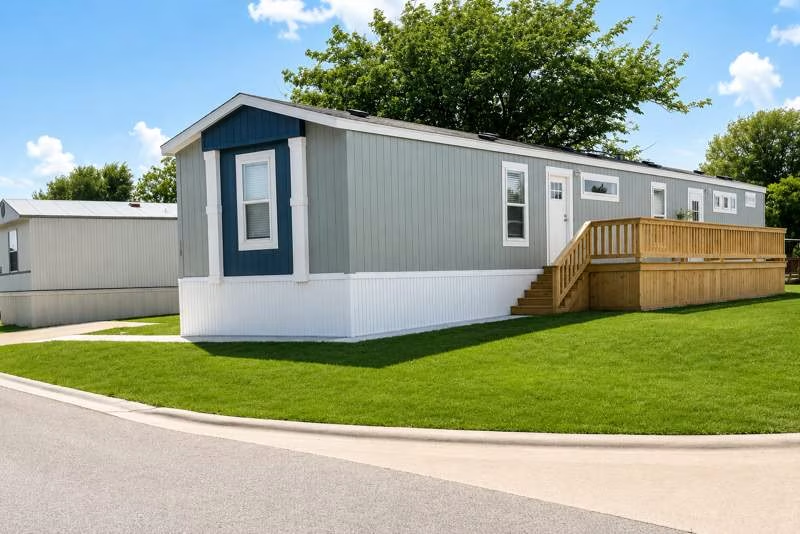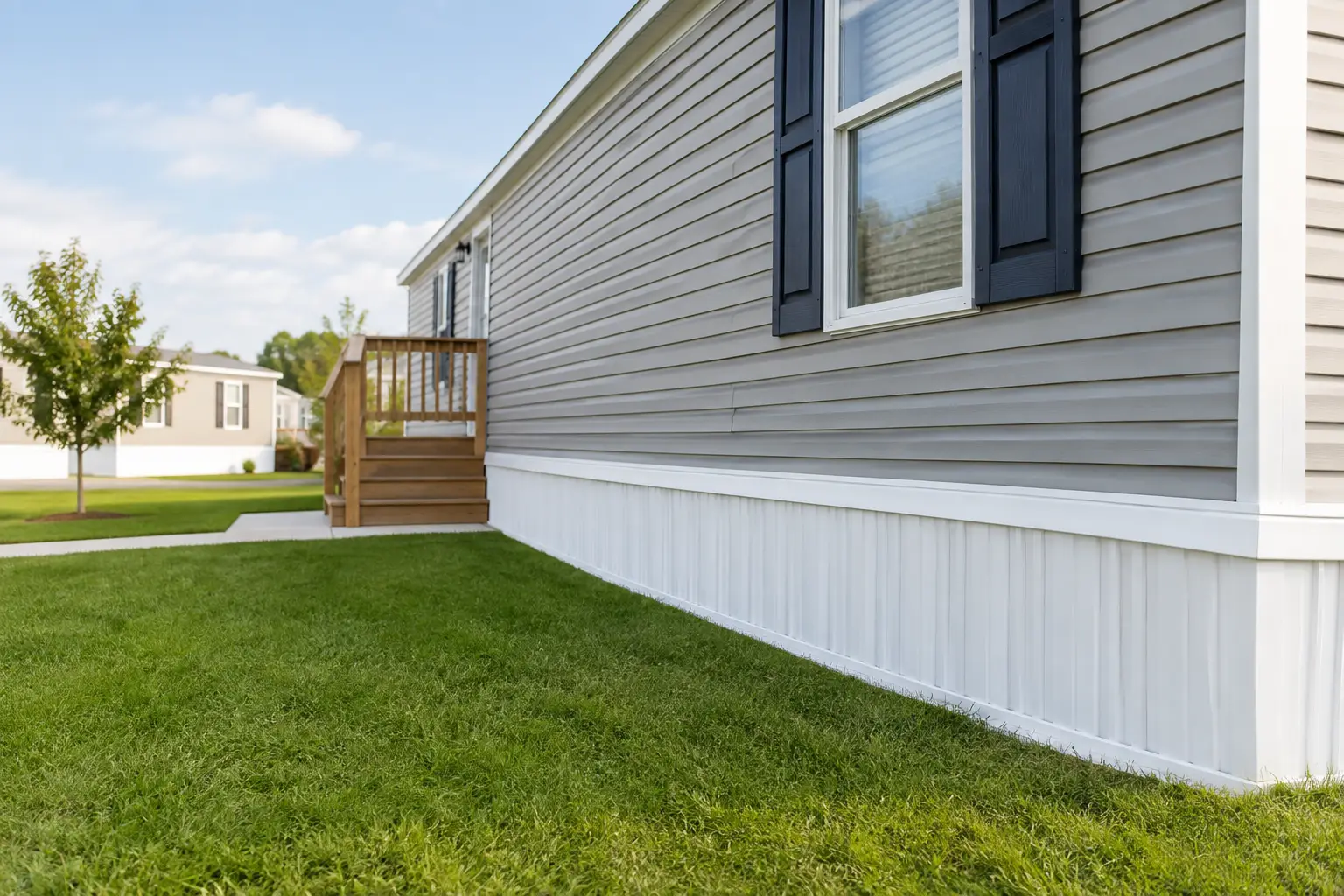
A new skirt around a manufactured home can make the home look finished, protect key systems, and support a clean streetscape. But manufactured home skirting requirements in a community are about more than choosing a color or material. The right installation has to work for the home, meet applicable rules, allow inspections and repairs, and fit the standards that help make a neighborhood feel cared for.
For residents, the best first step is simple: review your community rules and speak with management before ordering materials or scheduling an installer. A good plan prevents avoidable expenses and helps your home remain safe, attractive, and ready for every season.
Why community skirting standards matter
Skirting covers the open area between the bottom of the home and the ground. It improves curb appeal, but it also protects plumbing, ductwork, insulation, and the under-home space from windblown debris, animals, and weather exposure. In warmer climates, it can help keep pests out. In colder areas, properly installed skirting and insulation can help protect water lines from freezing.
Community standards create consistency without requiring every home to look identical. When skirting is maintained, secure, and compatible with the home, the entire neighborhood benefits from a more polished appearance. That matters to current residents who value a well-kept place to live and to future residents looking for a community they can feel good about calling home.
Rules also protect access. The area beneath a manufactured home contains critical systems. Maintenance teams, utility providers, and licensed contractors may need to reach plumbing, electrical connections, ductwork, anchors, or the vapor barrier. Skirting that looks great but blocks access can turn a routine repair into a costly project.
Manufactured home skirting requirements in a community
Every community has its own lease provisions, architectural standards, and approval process. Local building codes, manufacturer guidance, insurance requirements, and state or county regulations may also apply. That means there is no single skirting specification that fits every manufactured home community.
Still, most requirements focus on the same practical details: approved materials, a finished appearance, secure installation, adequate ventilation, access panels, and ongoing maintenance. Management may also establish color guidelines, height limits, or rules for matching the home’s exterior.
Before work begins, ask whether the community requires written approval. This is especially useful when you are replacing damaged skirting, changing materials, adding insulation, or hiring a contractor. Approval helps confirm that the project fits the community’s expectations before money is spent.
Materials should be durable and appropriate
Common skirting materials include vinyl, metal, concrete or masonry products, composite panels, and engineered systems designed for manufactured homes. The best choice depends on the home, climate, budget, and community standards.
Vinyl is a popular option because it is affordable, widely available, and easy to clean. It may be a good fit for a straightforward replacement, although it can crack under impact or in severe cold if it is not well supported. Metal can offer a crisp, durable finish but may dent or corrode if it is not suited to local conditions. Masonry-style systems create a more permanent look, yet they generally cost more and can require more planning around drainage, ground movement, and access.
Avoid makeshift materials such as loose plywood, fabric, tarps, mismatched scraps, or panels that are not designed for exterior skirting. They often deteriorate quickly, create a poor appearance, and may not provide the protection or ventilation the under-home area needs.
Ventilation is not optional
An enclosed crawl space needs airflow. Without it, moisture can collect beneath the home and contribute to mold, wood deterioration, insulation damage, and musty odors. Vent placement and quantity can depend on climate, the home’s foundation design, and local rules.
Some homes need seasonal adjustments, particularly where winter temperatures are common. Temporary measures to protect plumbing may be appropriate, but permanently blocking all vents can create moisture problems. If you are unsure how to balance freeze protection with ventilation, consult a qualified manufactured-home professional and review community requirements before closing off openings.
Access panels protect maintenance and safety
A well-designed skirt includes access panels or doors large enough for necessary inspections and service. These panels should be secure, discreet, and easy to open when a qualified professional needs entry.
Access is commonly needed near plumbing shutoffs, utility connections, the furnace or air handler, and other service points. The exact location varies by home. Do not assume that a small removable panel will be enough for every repair. A contractor may need room to safely reach the area beneath the home without damaging the skirting.
Installation must be secure and finished
Skirting should sit neatly along the home and be fastened according to the product manufacturer’s directions. Panels should not bow, rattle, hang loose, or leave wide gaps that invite animals underneath. The bottom edge should follow the grade without trapping standing water against the home.
A clean finish matters. Straight lines, properly fitted corners, matching trim, and secured fasteners make a noticeable difference. They also reduce the chance that wind, lawn equipment, or everyday wear will pull the material out of place.
Permits, codes, and approval: know who sets the rule
Residents sometimes hear that skirting is required by “code,” when the answer is more specific. Certain requirements may come from a local authority, while others are part of a community lease or a manufacturer’s installation guidance. A permit may be needed for some projects, especially if the work changes structural elements, utility access, or foundation-related components.
Community management can explain the property’s standards and approval process, but it is wise to confirm any permit questions with the appropriate local authority or a qualified contractor. If you are purchasing a pre-owned home, inspect the existing skirting closely. A home can look complete from the street while hiding missing vents, damaged panels, poor access, or moisture issues below.
Keep written records of approvals, contractor invoices, warranties, and any permit documentation. These details are useful if you sell the home, make an insurance claim, or need future repairs.
A practical pre-installation checklist
Before installing or replacing skirting, make sure you have clear answers to these questions:
- Does the community require written approval, a color selection, or a specific material?
- Are there local permit or code requirements for this type of work?
- Where are the plumbing, electrical, and HVAC service points beneath the home?
- How will the installation provide ventilation and service access?
- Is the ground graded so rainwater drains away from the home?
- Who is responsible for future repairs if a panel is damaged during maintenance or a weather event?
This planning takes far less time than correcting an installation after the fact. It also gives installers the information they need to price the job accurately.
Maintaining skirting after installation
Skirting is not a set-it-and-forget-it feature. Walk around the home a few times each year, and inspect it after high winds, heavy rain, or landscaping work. Look for cracked panels, loose trim, missing vents, gaps near the ground, signs of animals, and areas where water pools.
Keep landscaping trimmed back from the skirting. Shrubs and stored items can hold moisture against the panels, hide damage, and make it harder to access systems beneath the home. If a panel is loose or broken, address it promptly rather than waiting for more damage or a community inspection notice.
At Medallion Communities, thoughtful exterior maintenance supports the kind of clean, welcoming environment residents expect. A secure, well-finished skirt is a small investment in comfort, home protection, and neighborhood pride.
The right skirting should do more than complete the look of your home. It should make repairs easier, help manage weather and pests, and reflect the care you bring to the place where your household belongs.