A sudden downpour, a long-distance move, or a garage flood can make anyone ask: are storage units waterproof? The honest answer is that most traditional storage units are designed to keep belongings protected from normal weather, but they are not completely waterproof. A well-maintained facility provides strong protection from rain, wind, and everyday outdoor conditions. Still, smart packing and choosing the right unit matter when you are storing items that cannot afford to get damp.
For families between homes, RV travelers storing seasonal gear, and businesses protecting inventory or records, the goal is the same: choose a clean, secure space and prepare your belongings for the conditions they may face.
Are Storage Units Waterproof or Water-Resistant?
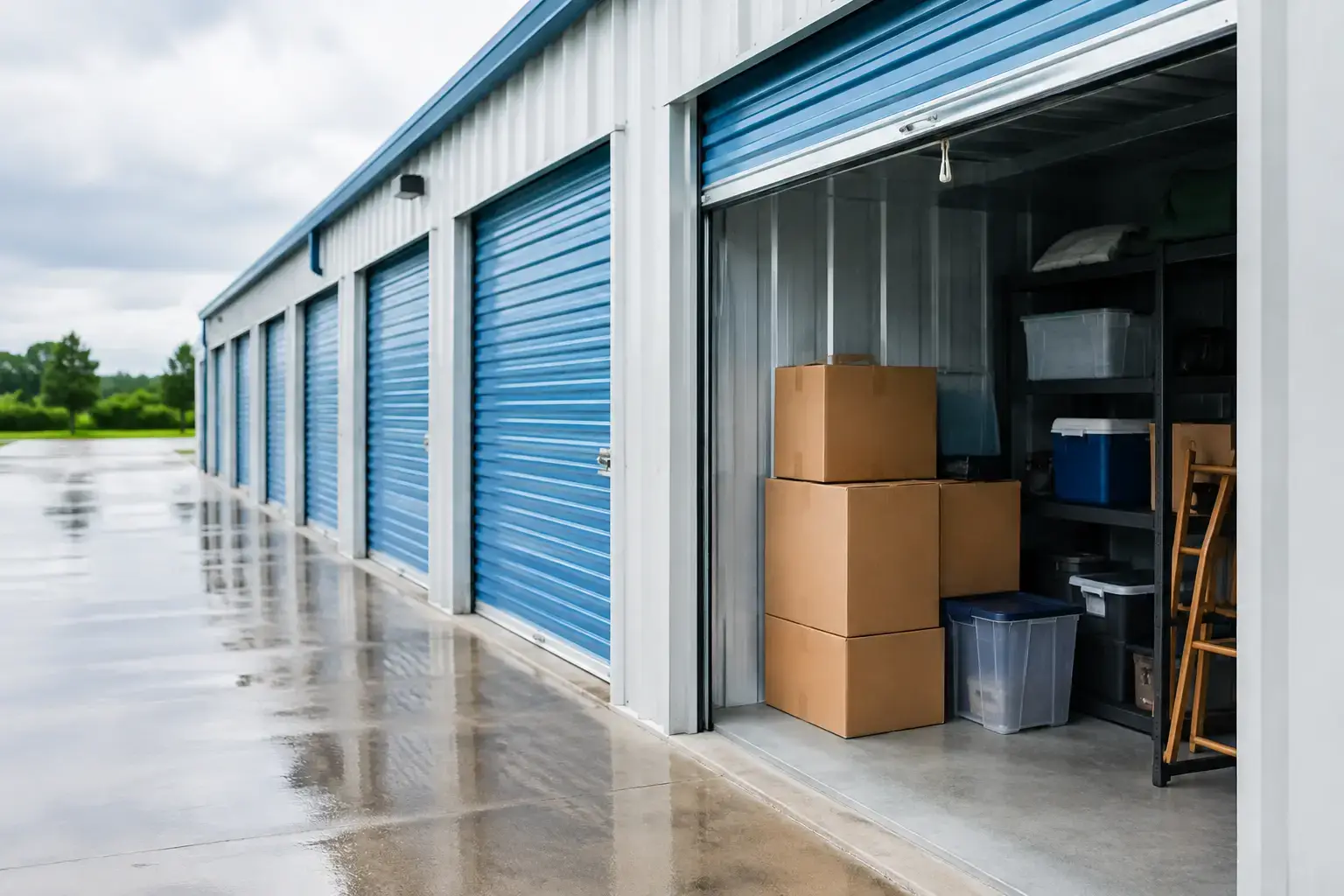
Most drive-up storage units are better described as water-resistant than waterproof. They are built with solid walls, doors, roofing, and raised concrete floors to shield your property from rain and routine moisture. When a facility is properly maintained, water should not enter a unit during ordinary weather.
Waterproof means no water can enter under any circumstances. That is a very high standard, and traditional self-storage buildings are not designed to promise it. Heavy storms, wind-driven rain, flooding, damaged door seals, roof problems, or poor drainage can create risks at any property.
This distinction should not cause unnecessary worry. Quality self-storage facilities actively inspect roofs, doors, pavement, drainage areas, and gutters because upkeep is a major part of protecting tenants’ belongings. A clean property with attentive management is more likely to identify and address maintenance concerns before they become larger problems.
What Protects Your Belongings From Water?
A storage unit is part of a larger property system. Its protection depends not only on the unit door, but also on the building design and the way the facility is maintained.
Raised concrete floors help keep stored belongings above ground level. A properly graded property directs rainwater away from buildings instead of allowing it to collect at unit doors. Sound roofing and exterior walls help prevent rain intrusion, while functional gutters and drainage systems control runoff. Door gaskets and a correctly aligned roll-up door also make a meaningful difference when rain is blowing sideways.
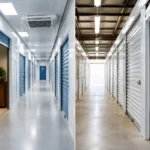
Indoor storage can offer another layer of protection because units are located inside a larger building. Climate-controlled storage is especially helpful for belongings sensitive to humidity and temperature swings, including wood furniture, documents, electronics, photographs, musical instruments, and certain business inventory. It does not make a unit waterproof, but it can create a more stable environment.
At Medallion Communities, thoughtful property upkeep and responsive management are part of creating storage spaces people can rely on. Before renting anywhere, it is reasonable to ask the onsite team how the property handles drainage, routine maintenance, and any concerns that arise during severe weather.
Weather Risks That Can Affect Any Storage Unit
The type of weather risk depends on where you live and the unit you choose. In parts of Arizona, intense monsoon rain can arrive quickly. In Texas, Tennessee, Georgia, North Carolina, and Utah, tenants may plan around heavy rain, seasonal storms, snowmelt, or periods of high humidity. Local weather does not mean storage is unsafe. It simply helps you decide what level of preparation makes sense.
Ordinary rain is not usually the primary concern at a well-run facility. More significant risks tend to come from unusual events, such as flash flooding, a major storm, standing water caused by drainage issues, or a damaged roof after severe wind. Humidity is a separate issue. Moisture in the air can affect fabrics, paper, leather, and wood even when liquid water never enters the unit.
Drive-up units are often the most convenient option for loading furniture, appliances, tools, and moving boxes. They may also be a practical, affordable choice for many items. If you are storing irreplaceable family photos, valuable collectibles, delicate antiques, or moisture-sensitive business records, an indoor or climate-controlled unit may be worth the added cost.
How to Pack for a Dry, Secure Storage Space
Even the best-maintained storage unit should not be treated like a sealed vault. How you pack plays a major role in protecting your belongings, particularly for long-term storage.
Start by using sturdy plastic totes with secure lids for items that are vulnerable to moisture. Cardboard boxes work well for many household goods, but they can weaken if exposed to dampness. Avoid packing wet or even slightly damp items. Clothes, camping equipment, towels, and outdoor furniture should be fully dry before they go into storage.
Keep everything off the floor whenever possible. Pallets, shelving, plastic risers, or even a few inches of clearance can help protect boxes and allow air to move beneath your belongings. Leave a small gap between stored items and the walls. This makes the unit easier to inspect and avoids pressing boxes against potentially cooler exterior surfaces where condensation may form.
For added protection, consider these practical measures:
- Cover furniture with breathable fabric covers or moving blankets rather than sealing it tightly in plastic, which can trap moisture.
- Use moisture absorbers for units holding clothing, books, paper files, leather, or other humidity-sensitive belongings.
- Wrap mattresses and upholstered items in protective storage bags made for moving and storage.
- Store electronics, documents, photographs, and small valuables in sealed bins, preferably on elevated shelving.
Do not place your most valuable or irreplaceable belongings directly beside the door. If there is ever an issue with wind-driven rain or a wet entryway during loading, items nearest the entrance are more exposed than those stored farther inside and elevated.
Questions to Ask Before You Rent
A quick conversation and a short walk around the property can tell you a great deal. Look for clean drive aisles, well-kept buildings, working gates or access controls, and no obvious pooling water near unit doors. These details reflect the level of attention a facility gives to daily operations.
Ask whether the unit is ground level, indoors, or climate-controlled. If you are concerned about moisture, ask how the facility handles drainage and what steps management takes after severe weather. You can also ask to see the actual unit before signing. Check that the floor looks dry, the door opens and closes smoothly, and there are no visible signs of water stains, rust, or musty odors.
Insurance deserves attention as well. Storage facilities work to provide secure, well-maintained spaces, but a tenant’s insurance or a separate storage insurance policy may help protect against losses from unexpected events. Review your homeowners, renters, or business insurance policy to see whether off-site storage is covered and whether limits or exclusions apply.
When Climate-Controlled Storage Is the Better Choice
Climate-controlled storage is not necessary for every box, bicycle, or set of patio chairs. It can be a wise investment when your belongings are sensitive to humidity, heat, cold, or rapid environmental changes. Many customers choose it for wood furniture, vinyl records, artwork, medical supplies, electronics, important files, collectibles, and inventory that needs to remain presentation-ready.
The trade-off is simple: climate-controlled space may cost more than a standard drive-up unit, and loading may require a little more time. In return, you gain a more consistent environment and greater confidence for items that would be expensive or impossible to replace.
If you are storing practical household items for a short move, a clean standard unit may be all you need. If you are storing cherished belongings through a humid summer, a cold winter, or an extended transition, choose the level of protection that lets you feel comfortable when you close the door.
A storage unit should make life easier, whether you are making room for a new chapter, traveling in your RV, or keeping your business organized. Choose a well-maintained property, pack with care, and give your belongings the dry, secure space they deserve.