The right housing choice is not simply the one with the lowest advertised price. It is the one that leaves room in your budget for groceries, transportation, childcare, savings, and the moments that make a home feel secure. This guide to affordable housing options can help you compare realistic paths forward while keeping both monthly costs and quality of life in view.
For many households, affordability means finding a stable place in a neighborhood where expectations are clear, streets and common areas are cared for, and management responds when something needs attention. That combination can look different depending on whether you want to rent, buy, use a housing assistance program, or move a home you already own.
Start With Your Real Monthly Housing Number
Before comparing homes, decide what you can comfortably spend each month. A rent or mortgage payment is only one part of the picture. Account for utilities, insurance, transportation, internet, parking, maintenance responsibilities, and any community or lot fees.
A common budgeting guideline is to keep housing near or below 30% of gross household income, but that is a starting point, not a rule that fits every family. A household with high medical costs, a long commute, or variable income may need more breathing room. Someone with little debt and reliable income may be able to spend more while still feeling financially comfortable.
Write down your monthly take-home pay, essential expenses, debt payments, and a realistic savings amount. The number left for housing should cover the full cost of living there, not just the price shown in a listing. This step helps prevent a frustrating surprise after move-in.
Compare Rental Housing With a Long-Term Lens
Renting can be the right choice when flexibility matters, when you are building savings, or when you prefer not to take on home repair responsibilities. It can also offer a faster route to a stable home than waiting until you are ready to buy.
When comparing rentals, ask what is included in the monthly payment. Water, sewer, trash service, lawn care, appliances, and maintenance can make one home a better value than another with a lower base rent. Ask about lease length, pet policies, deposits, late-payment policies, and how maintenance requests are handled.
Location matters just as much. A home farther from work, school, medical care, or family may cost less upfront but create higher transportation costs and more pressure on your time. Look for a setting that supports your everyday routine, not just your move-in date.
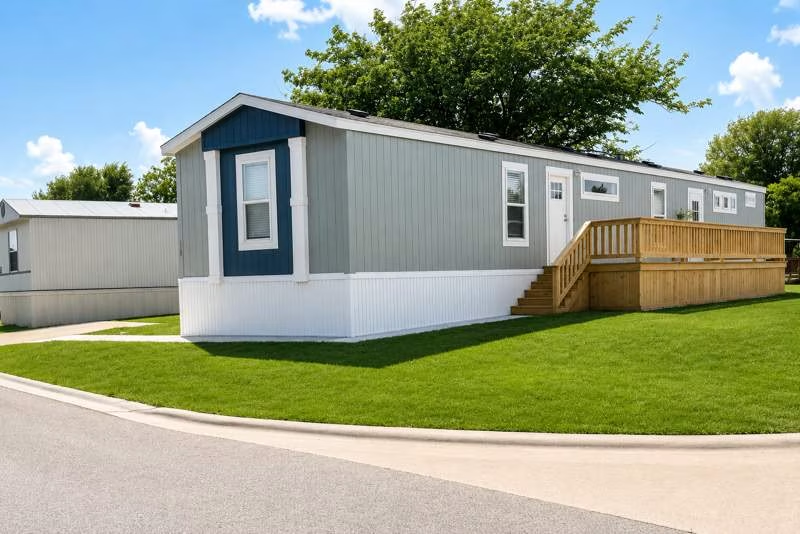
For renters who want neighborhood connection without the price of many conventional apartments or single-family rentals, a professionally managed manufactured home community may be worth considering. A detached home can provide more privacy and outdoor space, while community standards and onsite management help maintain a clean, welcoming environment.
Consider Manufactured Homes for Rent or Sale
Manufactured housing is often overlooked by people who assume affordable housing must mean compromising on comfort, pride of place, or community. Modern manufactured homes can offer practical layouts, private entrances, kitchens, multiple bedrooms, and outdoor space at a price point that may be more attainable than many site-built homes.
There are two primary ways to approach this option: rent a manufactured home or purchase one. Renting can make sense if you want predictable housing costs and less responsibility for major repairs. Buying may be a strong fit if you are ready to build equity, stay in one location for several years, and take on the responsibilities that come with homeownership.
When purchasing a manufactured home in a land-lease community, you typically own the home and pay a monthly fee for the lot it sits on. That fee may include certain services or amenities, depending on the community. Ask for a full breakdown of what is included, how and when rates may change, and what rules apply to homes, pets, parking, and outdoor spaces.
The community itself deserves careful attention. Visit at different times of day if possible. Notice road conditions, lighting, landscaping, shared spaces, and the general upkeep of homes. Ask how residents submit maintenance concerns and whether the management team is available when problems arise. A well-managed community protects more than appearances. It supports a safer, more dependable daily experience for everyone who lives there.
Medallion Communities is built around that idea: attainable housing should come with a genuine sense of belonging, visible care for the property, and a team that treats quality of life as part of the job.
If You Already Own a Home, Look for the Right Community Lot
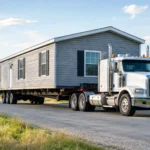
Owning a manufactured home does not always mean you already have the right place to put it. If you are relocating, you may be able to move your home into an established manufactured home community, provided the home meets the community’s requirements and local regulations.
This route can be appealing because it lets you keep a home you own while gaining the advantages of a new location. Still, moving a manufactured home is a significant project. Costs can include transport, permits, setup, utility connections, skirting, steps, and site preparation. Get estimates early, and ask the community which home ages, sizes, conditions, and installation standards it accepts.
A reputable community should be clear about its approval process before you commit to a move. That clarity protects you from investing in transportation only to learn that a home does not meet requirements. It also helps preserve the condition and consistency of the neighborhood for current residents.
Use Assistance Programs Without Limiting Your Search
Housing assistance can make a meaningful difference, particularly for seniors, families with children, people with disabilities, veterans, and households whose income has changed. Availability and eligibility vary by location, so it helps to contact local housing authorities and community organizations early rather than waiting until a housing emergency develops.
Potential resources may include housing choice vouchers, public housing, income-restricted apartments, utility assistance, emergency rental assistance, veteran-focused programs, and down payment support for qualified buyers. Some programs have waiting lists or specific property requirements. Others may require paperwork such as proof of income, identification, tax records, bank statements, and household information.
Do not assume a program will cover every housing expense. Ask what portion of rent or home costs you remain responsible for, whether utilities are included in calculations, and how changes in income affect your eligibility. Assistance works best when paired with an honest budget and a housing option you can sustain over time.
What to Ask Before You Apply or Sign
A good home search becomes easier when you ask direct questions before paying an application fee or deposit. You want a clear answer about the total move-in amount, including deposits, prorated rent, pet fees, application fees, and utility setup costs. You should also understand the timeline for approval and move-in.
For a rental, ask who handles repairs, what qualifies as an emergency, and how quickly routine requests are typically addressed. For a home purchase, ask about financing options, insurance requirements, taxes, warranties, and expected maintenance. In a manufactured home community, ask about lot rent, community guidelines, guest parking, landscaping responsibilities, and the process for renewing a lease or selling a home later.
Pay attention to how questions are answered. Clear, respectful communication before move-in is often a useful signal of what resident service may feel like after you are settled.
Choose Value, Not Just a Low Price
The lowest price can be expensive if it comes with unreliable maintenance, poor lighting, unsafe conditions, hidden costs, or a commute that drains your time and fuel budget. On the other hand, a home that costs slightly more may deliver stronger value if it is well located, maintained, and supported by responsive management.
Think about the life you want to lead there. Can children play nearby? Is there room to host family? Are your work and school routines manageable? Do you feel comfortable coming home after dark? These questions are not extras. They are part of what makes housing sustainable.
Affordable housing is most powerful when it creates room to plan ahead instead of forcing you to live one unexpected bill away from a crisis. Take the time to compare the full costs, visit the community, and choose a home where your budget and your sense of belonging can grow together.
![Camping Near [Landmark] for a Better Stay](https://medallioncommunities.com/wp-content/uploads/2026/10/camping-near-landmark-for-a-better-stay-featured-150x150.webp)