A rent increase can change a household budget overnight. Affordable ownership offers a different kind of confidence: a place that feels like yours, costs you can plan around, and a neighborhood where you can put down roots. The top benefits of affordable homeownership reach well beyond the front door, especially for working adults and families looking for lasting value without stretching their finances too thin.
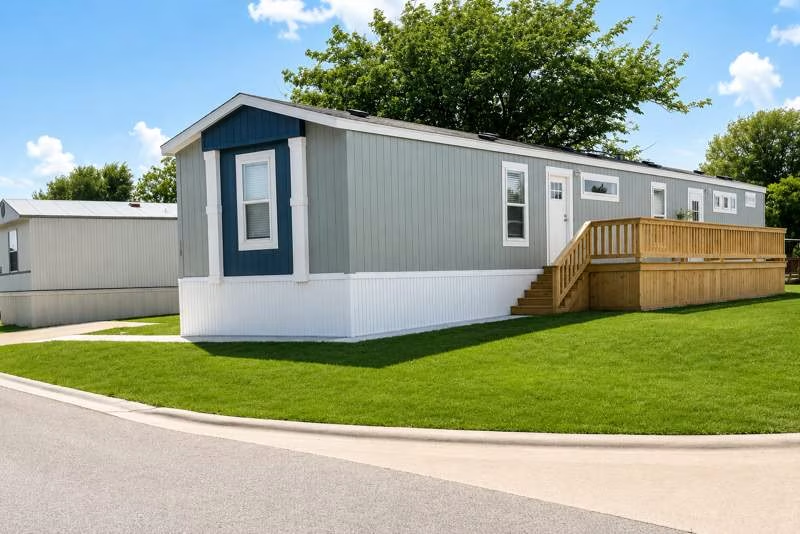
For many buyers, manufactured homes in well-managed communities create a practical path to ownership. They can make the goal of having a home more attainable while preserving the things that matter most: comfort, community standards, responsive management, and a sense of belonging.
Top Benefits of Affordable Homeownership for Everyday Life
Affordable homeownership can bring stability to decisions both large and small. Instead of wondering whether a rental home will be available next year or whether a new lease will fit the budget, owners have more control over their housing situation. That control can make it easier to plan for school schedules, work commutes, family milestones, and the future.
The first benefit is often a more predictable monthly housing budget. Homeownership still includes real expenses, such as insurance, utilities, maintenance, and, in many manufactured home communities, a monthly site rent. Yet when the purchase price is within reach and the financing is structured responsibly, owners may have a clearer view of their recurring costs than they would with a rental rate that can change at renewal.
Predictability is not the same as a guarantee. Property taxes, insurance premiums, and community fees may change over time. Buyers should ask for a realistic breakdown of all expected monthly costs before choosing a home. Knowing the full picture from the start is one of the best ways to make affordability last.
Build Equity Instead of Paying Only for a Place to Live
When you own a home, part of your payment may build equity rather than going entirely toward rent. Equity is the difference between what your home is worth and what you still owe on it. Over time, paying down a loan can increase your ownership stake and give you more financial flexibility.
That does not mean every home will rise in value at the same rate, or that ownership is a quick path to wealth. Local demand, home condition, financing terms, and the quality of the community all matter. Manufactured homes, like other homes, benefit from regular upkeep, careful improvements, and a location that residents value.
Still, the opportunity to build an asset can be meaningful. A homeowner may eventually sell the home, refinance if circumstances and lending options allow, or use the value they have built to support a move. For first-time buyers, that is often an important shift from making housing payments with no ownership interest at the end of a lease.
Make Your Space Feel Like Home
Ownership gives residents more freedom to personalize their surroundings. A fresh coat of paint, a garden, a welcoming porch, or a room arranged for a growing family can turn a house into a home that reflects the people living there.
In a manufactured home community, that freedom works alongside community guidelines designed to protect the appearance and livability of the neighborhood. Rules related to exterior maintenance, parking, pets, and shared spaces can feel like an extra consideration compared with a standalone property. In a well-managed community, however, those standards help preserve a clean, respectful setting that residents are proud to call home.
The right balance matters. Before buying, review the community rules, site lease terms, and expectations for home improvements. A good community should be clear about what is expected and why it supports a positive experience for everyone.
Choose a Neighborhood, Not Just a House
A home is more than its square footage. The street, nearby neighbors, lighting, roads, common areas, and the people responsible for managing the property all shape daily life. Affordable homeownership in an established community can offer the neighborhood feel many households want without the price tag often associated with a traditional site-built home.
Community connection can be especially valuable for families, older adults, and residents new to an area. Seeing familiar faces, having access to a clubhouse or community activities where available, and knowing whom to contact with a concern can help people feel more settled. It creates the conditions for neighbors to look out for one another and for residents to take pride in where they live.
A strong sense of community does not happen by accident. It depends on clear expectations, attention to the property, and management that follows through. Upgraded streets, functional lighting, clean shared spaces, and responsive communication are practical details, but they send a larger message: residents and their quality of life matter.
Gain More Control Over Your Housing Decisions
Renting serves an important purpose, and it may be the better choice for someone who expects to relocate soon, is rebuilding savings, or does not want responsibility for home maintenance. But for households ready to stay in one area, ownership can provide a greater sense of control.
Owners are not waiting for a landlord to decide whether to renew a lease. They can maintain their home on their own timeline, make approved updates, and build routines around a place they intend to keep. That added control is often as valuable as the financial side of ownership.
For people who already own a manufactured home, moving it into a professionally managed community may offer another route to stability. The home remains theirs, while the community provides a designated site and the structure of shared standards. Before moving a home, confirm age requirements, installation needs, transportation costs, utility connections, and the community approval process. These details can affect both timing and total cost.
Affordable Does Not Have to Mean Settling
Affordable housing should not require households to accept neglected surroundings or unclear communication. Value is about what residents receive for the money they spend: a comfortable home, an organized community, dependable infrastructure, and a management team that takes concerns seriously.
That is why it helps to look beyond the sale price. Ask how the roads and grounds are maintained. Notice the condition of homes and common areas. Find out how maintenance requests or resident questions are handled. Review the total monthly cost, including home payment, site rent, utilities, insurance, and any other applicable fees.
At Medallion Communities, the goal is to offer attainable housing within vibrant, inclusive neighborhoods where residents can feel secure and connected. A well-kept community supports the value of the home while making everyday life more enjoyable.
How to Decide Whether Affordable Ownership Fits Your Goals
The best home is not simply the least expensive one. It is the home that fits your budget today and leaves room for life tomorrow. Before moving forward, consider how long you expect to stay, what you can comfortably spend each month, and whether you have savings for routine repairs and unexpected expenses.
It also helps to compare options carefully. A lower-priced home may need more updates. A newer home may cost more upfront but require fewer immediate repairs. A community with visible upkeep and attentive management may offer better long-term value than one with a slightly lower monthly cost but fewer standards or services.
Give yourself permission to ask direct questions. What is included in the monthly payment? What are the community rules? Who handles what maintenance? How are concerns communicated? Clear answers are a sign that you are making a decision with confidence rather than relying on assumptions.
Affordable homeownership is not about chasing a one-size-fits-all version of success. It is about creating a stable foundation that fits your household, your budget, and your plans. When the home and community are both a good match, ownership can give you something worth building on: a place to belong, care for, and confidently call your own.
![Camping Near [Landmark] for a Better Stay](https://medallioncommunities.com/wp-content/uploads/2026/10/camping-near-landmark-for-a-better-stay-featured-150x150.webp)