A low home price can look like a breakthrough until the monthly costs start appearing: lot rent, utilities, insurance, financing, and setup fees. Knowing how to find affordable manufactured housing means looking beyond the listing price and choosing a home and community that support your budget for the long term.
Manufactured housing can offer a practical path to a stable home, whether you are renting, buying for the first time, or moving a home you already own. The strongest value usually comes from combining a reasonably priced home with a clean, well-managed community, clear costs, and a location that works for your daily life.
Start With the Monthly Number You Can Comfortably Carry
Before browsing homes, decide what you can reasonably spend each month without stretching every other part of your budget. A home that is affordable at move-in but difficult to maintain can create stress quickly. Think about your income, savings, transportation, childcare, groceries, debt payments, and an emergency cushion.
Your housing number should account for more than a home payment or monthly rent. Depending on the home and community, your monthly costs may include:
- Home rent or a manufactured home loan payment
- Site rent for the lot where the home sits
- Electricity, water, sewer, trash, gas, and internet
- Homeowners or renters insurance, plus property taxes when applicable
- Routine maintenance and seasonal upkeep
Ask for a clear breakdown before you apply. If a community includes some utilities or services in site rent, that can make budgeting more predictable. If costs are separate, request typical ranges when available. Predictability matters just as much as price when you are planning for a secure home.
Decide Whether Renting or Buying Fits Your Goals
Affordable manufactured housing is not one single route. Renting may be the better fit if you need flexibility, want lower upfront costs, or are rebuilding savings. A rental home can let you settle into a neighborhood and understand the community before making a longer-term commitment.
Buying can make sense when you want more control over your home and expect to stay in the area. Used manufactured homes may have lower purchase prices than new models, while newer homes can offer updated layouts, energy features, and fewer immediate repair needs. Neither option is automatically better. The right choice depends on how long you plan to stay, how much cash you have available, and what monthly payment feels sustainable.
If you are comparing homes for sale, ask whether the listed price includes the home only or also reflects costs related to placement, connections, skirting, steps, or other site preparation. A lower-priced home with significant work ahead may not be the better deal.
Search by Location Before You Fall in Love With a Floor Plan
A home is only as practical as its location. Start your search in areas that keep your commute, school arrangements, medical care, and family connections manageable. Saving a little on the home price may not help if you spend far more on fuel, time, or transportation every month.
Once you have identified a few workable areas, compare available homes by rent or sale price and bedroom count. Be honest about what your household needs now and what may change in the next few years. A two-bedroom home may be a smart value for some households, while a growing family may be better served by finding a home with enough space from the beginning.
Also consider the condition of the home. A well-kept older home can be an excellent value, but look closely at the roof, windows, flooring, plumbing, heating and cooling equipment, and appliances. Request information on recent updates. Replacing a major system shortly after moving in can change the affordability picture.
How to Find Affordable Manufactured Housing in a Quality Community
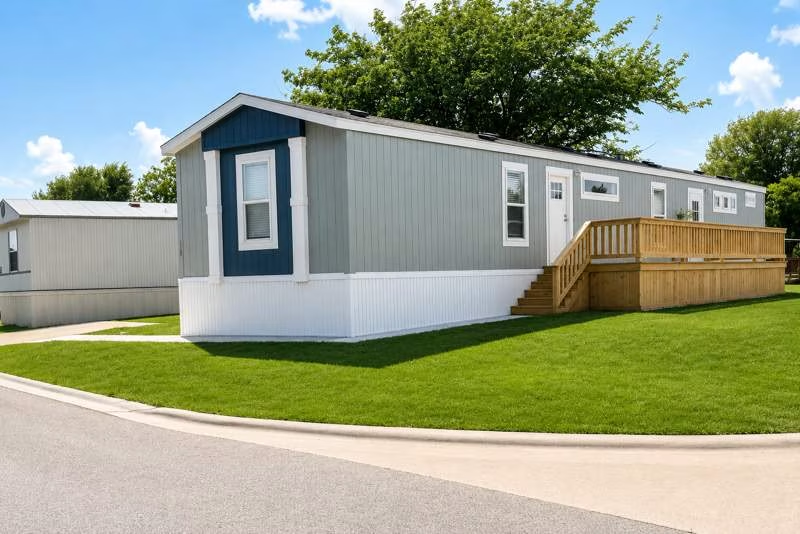
The community deserves as much attention as the home itself. When a manufactured home is located on a leased site, you are choosing both a residence and a neighborhood. Look for a community where shared spaces, streets, lighting, landscaping, and common areas show consistent care.
Visit in person when possible. Drive through at different times of day, observe parking and traffic flow, and notice whether the property feels orderly and welcoming. A clean community is not just about appearance. It can reflect property standards, responsive management, and a shared commitment to quality of life.
Ask practical questions during your visit. Find out what site rent covers, how maintenance requests are handled, whether there are community rules for pets and parking, and what amenities are available. Ask about the application process and move-in timeline, too. Clear answers are a good sign that the community is professionally managed.
At Medallion Communities, the focus is on helping residents find attainable housing in communities where belonging, well-kept surroundings, and attentive management are part of daily life. That combination can make a meaningful difference when you are choosing where to put down roots.
Compare the Real Upfront Costs
A home may be within your monthly budget but still require more cash upfront than expected. Before making a decision, ask for all move-in expenses in writing. This protects you from surprises and helps you compare two homes fairly.
For a rental, upfront costs may include an application fee, security deposit, first month’s rent, and utility deposits. For a purchase, you may also need a down payment, closing costs, insurance, taxes, title or registration fees, and funds for repairs or improvements.
If you are bringing your own manufactured home into a community, get detailed information about site availability and home requirements before scheduling a move. Moving a manufactured home can involve transportation, permits, installation, utility connections, inspections, and site improvements. It can still be a good option, especially if you already own the home, but the numbers need to be clear before you commit.
Use Financing Carefully, Not Just Quickly
Financing can help make homeownership possible, but the lowest monthly payment is not always the lowest total cost. A longer loan term can reduce the payment while increasing the amount you pay over time. Interest rates, lender fees, required insurance, and prepayment terms all deserve a close look.
Get quotes from more than one lender if you are buying. Compare the annual percentage rate, loan term, down payment requirement, and estimated total payment. Ask whether the loan is designed for a manufactured home and how the lender handles homes located in a leased-land community.
Avoid making a decision based only on what you are approved to borrow. Approval is not a spending target. Leave room in your budget for maintenance, utility changes, and the unexpected expenses every household eventually faces.
Look for Value That Lowers Costs Over Time
The most affordable home is often the one that costs less to operate and maintain, not simply the one with the lowest asking price. Energy-efficient windows, dependable heating and cooling, sound insulation, and updated appliances can reduce monthly utility bills. A home with a newer roof or recently serviced furnace may also help you avoid an expensive repair soon after move-in.
Ask about the age and condition of major systems, especially in pre-owned homes. If an inspection is available or appropriate for your purchase, use it. An inspector can identify concerns that are easy to miss during a walk-through, such as moisture damage, electrical issues, or problems under the home.
There are trade-offs. A newer home may cost more upfront but require less immediate work. An older home may offer a lower price and more room in the budget for improvements. What matters is choosing with open eyes and setting aside funds for the care your home will need.
Read the Rules and Lease Before You Commit
Community guidelines help protect the neighborhood experience residents value. Before signing, read the lease, purchase agreement, and community rules carefully. Pay attention to rent due dates, renewal terms, late fees, pet policies, guest parking, exterior maintenance expectations, and notice requirements.
This step is not about expecting problems. It is about knowing what to expect. A community with clear standards can help preserve cleanliness, safety, and respect among neighbors. If anything is unclear, ask before you sign and keep copies of the documents for your records.
Affordable housing should give you more than a lower number on a listing. It should give you a place where the costs are understandable, the home suits your household, and the neighborhood feels like somewhere you can build a steady life. Take the extra time to ask questions now, and you will be in a stronger position to choose a home that feels good long after move-in day.
![Camping Near [Landmark] for a Better Stay](https://medallioncommunities.com/wp-content/uploads/2026/10/camping-near-landmark-for-a-better-stay-featured-150x150.webp)